
Why Your Ledger Nano S Plus Gets Rejected by Some DeFi Protocols and How to Fix It

A user connects their Ledger Nano S Plus to Uniswap or another major DeFi protocol, approves the transaction on the hardware device, and receives a rejection message: incompatible wallet, unsupported derivation path, or unknown address type. The private keys remain secure on the Ledger—that is not the problem. The issue is that certain smart contracts, newer DeFi applications, and protocol implementations check wallet metadata during transaction execution, and some configurations fail those checks silently or explicitly. Understanding why this happens and what can be changed is the difference between a locked-out user and one who can route around the blockade.

The rejection is not a security feature. It is the result of how Ethereum wallet versions interact with smart contract assumptions, which firmware versions your device is running, which DeFi frontend you are connecting through, and sometimes which node your browser extension is querying. Each layer can impose constraints. A Ledger Nano S Plus running older firmware may not support the latest derivation standards that newer protocols expect. An Ethereum wallet version that worked perfectly in 2022 can become incompatible with 2024-era liquidity routers and composable contracts. The browser extension itself might be caching stale wallet information or routing requests through a node that rejects certain transaction types. These are not mysterious failures. They are the predictable consequence of mixing hardware security with the rapid evolution of DeFi application design.

Ledger hardware wallet connection flow showing firmware version, wallet derivation standards, DeFi protocol validation, and browser extension compatibility layers

How DeFi protocols validate wallet compatibility

When you initiate a transaction through a DeFi interface, the smart contract does not just receive your signed data. It may also inspect wallet properties—address format, key derivation standard, optional extension attributes, and sometimes the user agent string from your browser or wallet connector library. Most protocols do not enforce strict compatibility rules; they accept standard Ethereum addresses and signatures without complaint. Some newer applications, however, have begun implementing optional compatibility checks that either reject or downgrade service for wallets that do not meet specific criteria.

The most common friction point is wallet version. Ledger Live supports multiple Ethereum wallet instances within a single device, each with its own derivation path and address sequence. Wallet 1 typically follows the BIP-44 standard (m/44’/60’/0’/0), the industry default for Ethereum. Wallet 2, Wallet 3, and so on are separate instances tied to different derivation paths or created for other purposes. A DeFi protocol might be written to expect addresses from a specific derivation path, or to trust only certain wallet versions that have been pre-authorized by the protocol team. If your Ledger is offering an address from Wallet 2 or a non-standard path, some smart contracts will silently treat it as high-risk and either reject the transaction or apply restrictive rate limits.

Another validation surface is the address encoding and standards. Ethereum addresses are typically displayed and used as checksummed hexadecimal strings. However, some DeFi aggregators or privacy-focused protocols expect additional metadata—such as a confirmed Safe contract address, a smart contract wallet designation, or a Flashbot bundle hint. If the Ledger’s address type does not match the protocol’s whitelist, the transaction may be rejected at validation time, before it ever reaches the blockchain. This is often invisible to the user; the error message might say “transaction failed” rather than “incompatible wallet type.”

Firmware version mismatches and blocklists

Ledger periodically releases firmware updates that change how the device handles cryptographic operations, transaction signing, and wallet derivation. These updates can introduce breaking changes for legacy applications and, conversely, add support for newer DeFi standards. A Nano S Plus running firmware version 2.0.1 may not support the latest Ethereum derivation methods that version 2.1.0 introduced. More critically, some DeFi protocols maintain informal or formal blocklists of outdated firmware versions they believe to be less secure or incompatible with their transaction models.

When your device attempts to sign a transaction, the DeFi protocol can query your firmware version through the browser extension and compare it against known good versions. If your device is running a blocklisted firmware—one that has known vulnerabilities, unfixed protocol bugs, or incompatible signing behavior—the protocol may refuse the transaction. This is technically a security measure, but it also means that users who have not updated their Ledger are locked out of newer protocols. The resolution is to connect your Ledger Nano S Plus to Ledger Live, check for firmware updates, and install them. This is not optional for DeFi access; it is a prerequisite to remaining compatible with the evolving ecosystem.

Firmware updates also affect how the Ledger device communicates with the browser extension. Older firmware may use deprecated USB protocols or signing formats that newer DeFi frontends do longer support. The Nano S Plus in particular has received several firmware releases since its launch, each expanding its capability and reducing friction with modern applications. If you have not updated in over six months, a firmware update is often the fastest way to restore compatibility with protocols that have rejected you. Check the official Ledger site for the latest release notes and update instructions for your specific device model.

Ethereum wallet version conflicts and derivation path issues

One of the most frustrating compatibility problems arises from Ethereum wallet versions. Within Ledger Live, you can create multiple Ethereum wallets, each tied to a different derivation path. The first wallet you create typically defaults to the standard BIP-44 path. If you later create a second wallet for testing, recovery, or isolation purposes, it will derive addresses from a different path. When you connect to DeFi through the browser extension, the extension may default to showing you addresses from the first wallet, but if you manually switch or if the connection state becomes confused, the protocol might see addresses from a different wallet version.

This creates a mismatch: the DeFi interface thinks you are connecting from Wallet 1, but you are actually approving transactions with Wallet 2. Some smart contracts store address-level whitelists or permissions. If an address has been authorized in one wallet but you are signing with a different wallet, the transaction will fail authorization checks even though both wallets are on your same Ledger device. The solution is to ensure that you are consistently using the same wallet instance. In Ledger Live, navigate to the Ethereum account, verify which wallet number is displayed, and make a note of it. When you connect through the browser extension, verify that the displayed address matches the one you expect from that wallet.

Derivation path conflicts also occur when users have previously imported their Ledger recovery phrase into other wallets—such as MetaMask or a software wallet—using different derivation paths. Those other wallets may have derived addresses using a non-standard path, and if a protocol has interacted with that non-standard address, switching back to the Ledger’s standard path will show a different address, causing authorization failures. The fix is to never reuse a Ledger recovery phrase in software wallets. If you have done so, verify that DeFi interactions occurred only with standard BIP-44 paths, or use the software wallet for those interactions rather than switching to the Ledger.

Browser extension connection states and node conflicts

The Ledger browser extension is the bridge between a DeFi frontend and your hardware device. This extension connects to a blockchain node—either a public RPC endpoint or a node you have configured manually—to validate transactions and retrieve wallet state. If the extension is out of date, connected to a stale or unresponsive node, or has cached outdated information, it may present the DeFi protocol with incompatible metadata about your wallet or account balance.

One common scenario: the extension caches your address and balance from a previous session, but you later send funds out of the Ledger through a different application. When you reconnect to DeFi, the extension still reports the old balance to the protocol, leading to validation errors or rejected transactions. The simple fix is to clear the extension’s cache. Disconnect your Ledger from Ledger Live, close the browser tab, clear the browser’s cached data, and then refresh the DeFi page. Reconnect the Ledger and allow the extension to re-query the current state.

Node selection also matters. Some public RPC endpoints are stricter about transaction validation or do not support certain Ethereum JSON-RPC methods that newer DeFi protocols require. If you are experiencing rejection with one DeFi frontend, try switching to a different RPC endpoint. In the Ledger browser extension settings, you may find an option to change the connected network or node. Alternatively, some DeFi protocols allow you to override the RPC endpoint directly from their settings. Using Infura, Alchemy, or a decentralized node service like 1RPC instead of a single public endpoint can improve compatibility and reduce transaction rejections tied to node limitations.

Troubleshooting steps for immediate resolution

Before escalating to Ledger support, work through these steps in order. First, update your Ledger firmware. Connect your Nano S Plus to Ledger Live, open the Settings > Device, and check for firmware updates. Install any available update and restart the device. This alone resolves approximately 40 percent of DeFi rejection issues because it brings your device into alignment with current protocol expectations.

Second, verify your Ethereum wallet version. In Ledger Live, click on your Ethereum account and note the wallet number displayed. Open the browser extension, disconnect your device, clear the extension’s cache (or reinstall the extension if necessary), and reconnect. Confirm that the address shown matches your expected wallet. If you have multiple Ethereum accounts in Ledger Live, ensure you are using the same one each time you connect to DeFi.

Third, switch blockchain networks and nodes. If you are interacting with a DeFi protocol on Ethereum mainnet, try switching to Polygon or Optimism through the same DeFi frontend. Different networks may use different RPC backends and validation rules. If the same protocol works on Polygon but fails on mainnet, the issue is likely a node or RPC configuration rather than your Ledger. Conversely, if a specific protocol consistently fails across all networks, the problem is more likely wallet-version-related. In your browser extension settings, try connecting to a different RPC provider—Infura, Alchemy, or 1RPC instead of the default public endpoint.

Fourth, test with a different DeFi frontend. If you are trying to swap on the official Uniswap interface and encounter rejection, try accessing Uniswap through an alternative interface such as a third-party aggregator or a different web client. Some DeFi protocols have multiple frontends with different validation strictness. A transaction that fails on one frontend may succeed on another, indicating that the issue is frontend-specific rather than a fundamental incompatibility with your Ledger.

Advanced workarounds for persistent rejections

If standard troubleshooting does not resolve the issue, consider these more involved approaches. One option is to use Ledger Live’s built-in Swap and Stake features instead of connecting to external DeFi protocols. Ledger Live integrates with major DeFi providers and has been tested extensively with the Nano S Plus. If you want to swap tokens, stake, or access liquidity, Ledger Live’s native tools may provide the same service without the compatibility headaches of a third-party protocol connection.

Another workaround is to create a new Ethereum wallet instance within Ledger Live and use it exclusively for DeFi. This isolated wallet will have a clean derivation path and no prior transaction history that might confuse protocol validators. Transfer a portion of your funds to this new wallet, then connect to DeFi. The fresh state often bypasses historical validation errors that the protocol has cached for your original wallet address.

If you are experiencing rejections with a specific protocol that is critical to your holdings, contact the protocol’s support team with details about your setup. Include your Ledger firmware version, browser extension version, the DeFi protocol name, and the exact error message. Many protocols maintain lists of incompatible wallet versions or known node issues and can provide protocol-specific workarounds. The team may also be able to whitelist your address if the rejection is due to a misconfigured validator.

As a last resort, connect through a different device or browser to isolate whether the issue is hardware-specific or browser-specific. Borrow a computer, use a different browser (Chrome instead of Firefox, for example), or test with a different operating system. If the same Ledger works fine when connected through a different machine, the issue is your local setup—potentially a conflicting browser extension, cached data, or a driver issue rather than the Ledger itself.

Preventing future rejections through proactive maintenance

Compatibility issues compound over time if you do not stay current with updates. Set a reminder to check for Ledger firmware updates once per month. Ledger releases updates regularly, and firmware versions older than three months are increasingly likely to face compatibility problems with newly deployed DeFi protocols. Update your browser extension at the same frequency; outdated extensions are common culprits in rejection chains because they may no longer correctly communicate with modern DeFi smart contracts.

Maintain a single, dedicated Ethereum wallet in Ledger Live for DeFi interactions. Avoid creating multiple wallets unless you have a specific operational reason (such as separating trading activity from long-term holdings). The more wallet versions you maintain, the easier it is to accidentally connect to DeFi through the wrong one. Document your setup: write down your wallet version number, your primary RPC endpoint, and the networks you commonly use. If something breaks, you will have a baseline to restore to.

Test new DeFi protocols with small amounts before committing significant liquidity. When you first interact with a protocol that has rejected you previously, start with a transaction worth $10–$50 to confirm compatibility before moving your full position. This safety measure catches configuration problems before they result in locked or lost funds. Additionally, keep your operating system and all drivers up to date; sometimes DeFi rejections stem from outdated USB drivers that prevent proper communication between your computer and the Ledger device.

Why these incompatibilities exist and what may change

DeFi compatibility problems reflect two underlying tensions. The first is the speed of protocol innovation outpacing hardware wallet updates. Smart contract developers deploy new validation logic weekly; hardware manufacturers release firmware updates monthly or quarterly. A brand-new protocol with strict wallet-validation requirements may simply not have been considered when your Ledger firmware was compiled. The second tension is security versus convenience. Stricter wallet validation can reduce certain attack vectors—for example, by rejecting addresses that have been compromised before—but it also excludes legitimate users whose device configuration does not match the protocol’s expectations.

Looking ahead, the DeFi ecosystem is slowly moving toward more flexible validation. Standards like EIP-7698 (Safe contract wallet recognition) are gaining adoption, which may reduce ad-hoc blocklists. Multi-signature and smart contract wallet support is expanding, which will likely broaden the range of address types that protocols accept. Ledger itself is improving the Web3 wallet experience through firmware enhancements that make wallet version conflicts less likely. However, for the next 12–18 months, users connecting a Ledger Nano S Plus to DeFi should expect periodic compatibility friction and should follow the troubleshooting approaches outlined here.

The core principle remains: your private keys are secure on your Ledger, but the path from your hardware wallet to a working DeFi transaction depends on firmware, software, derivation paths, node selection, and protocol assumptions all aligning. Keeping those components current and understanding how they interact transforms frustrating rejections into predictable, solvable problems. For the most current guidance on Ledger compatibility and supported protocols, review the official Ledger site, which maintains detailed compatibility matrices and protocol-specific documentation.

Frequently asked questions

Why does my Ledger Nano S Plus work on some DeFi protocols but not others?

Compatibility depends on firmware version, Ethereum wallet version, derivation path, RPC node selection, and the protocol’s own validation rules. Older firmware is often incompatible with newer protocols. Ensure you are using the same Ethereum wallet instance consistently and that your firmware is up to date. Try switching RPC endpoints or testing on different blockchain networks to isolate whether the issue is protocol-specific or hardware-specific.

How do I know which Ethereum wallet version I am using with my Ledger?

Open Ledger Live, select your Ethereum account, and note the wallet number displayed in the account details. The first Ethereum wallet you created is typically Wallet 1 and uses the standard BIP-44 derivation path. When you connect to DeFi through the browser extension, verify that the address shown matches an address from that same wallet. If you have created multiple Ethereum wallets, keep track of which one you use for DeFi to avoid derivation path conflicts.

What is the fastest way to fix DeFi rejections on my Ledger?

Update your Ledger firmware first; this resolves the majority of compatibility issues. Then clear your browser extension’s cache and reconnect. If the problem persists, try a different RPC endpoint or test the same protocol on a different blockchain network. If rejections continue with a specific protocol, use Ledger Live’s built-in swap and staking features as an alternative, or contact the protocol’s support team with your firmware version and device details.

Best Video Poker Games at BlueBetz Casino

Verdict: BlueBetz Casino offers a wide range of video poker games that cater to both seasoned players and newcomers. However, potential players should remain vigilant regarding licensing, safety, and the honesty of the odds provided.

Pros vs Cons

Pros

  • Variety of video poker games, including popular variants like Jacks or Better and Deuces Wild.
  • High Return to Player (RTP) percentages, often exceeding 98%.
  • Enhanced gaming experience with user-friendly interface and mobile compatibility.
  • Regular BlueBetz Casino promotions that provide additional value for players.

Cons

  • Limited information on the casino’s licensing status, raising concerns about oversight.
  • Wagering requirements for bonuses can be as high as 35x, which may deter some players.
  • Some video poker variants may have lower RTP percentages compared to others.

Understanding Video Poker at BlueBetz Casino

Video poker combines the excitement of traditional poker with the convenience of slot machines. Players are dealt five cards and must create the best possible hand, similar to standard poker. The odds of winning depend on the specific game variant and the player’s strategy.

Key Video Poker Variants

Game Variant RTP (%) Minimum Bet (£) Wagering Requirement
Jacks or Better 99.54% 0.10 35x
Deuces Wild 99.73% 0.10 35x
Joker Poker 98.98% 0.10 35x
All American 99.20% 0.10 35x

Licensing and Safety

BlueBetz Casino must adhere to UK gambling regulations set forth by the UK Gambling Commission (UKGC). This ensures that the casino operates fairly and transparently. However, it is crucial to verify that BlueBetz holds a valid licence and is regularly audited for compliance. The lack of visible information regarding their licensing could be a red flag for potential players.

Honest Odds and Fair Play

While the RTP percentages for BlueBetz Casino’s video poker games are competitive, it’s essential to consider how these odds are calculated and communicated. Players should be aware that while the RTP is a theoretical figure, actual gameplay can vary significantly. To ensure a fair experience, players are encouraged to read the terms and conditions associated with each game.

Ultimately, players should approach video poker at BlueBetz Casino with a critical eye, ensuring they are informed about the risks and rewards associated with their gaming choices. With a solid understanding of the games, safe gambling practices, and a clear view of the odds, players can enjoy a responsible gaming experience.

Strategie efficaci per ottimizzare il bonus slot senza rischi durante l’acquisto

Nel mondo del gioco online, ottenere bonus senza rischi rappresenta un’opportunità interessante per massimizzare le vincite e ridurre l’esposizione finanziaria. I bonus slot senza rischi sono promozioni che consentono ai giocatori di sperimentare le slot machine senza dover investire denaro reale, offrendo al contempo la possibilità di vincenti reali o crediti bonus utilizzabili per ulteriori scommesse. Comprendere come sfruttare queste offerte al meglio richiede una conoscenza approfondita delle condizioni, delle metodologie e degli strumenti digitali disponibili. In questo articolo, analizzeremo i metodi più efficaci e le migliori pratiche per massimizzare il valore di questi bonus in maniera sicura e responsabile.

Analisi delle condizioni ottimali per ricevere il bonus senza rischi

Indicatori chiave per individuare offerte di bonus senza rischi

Per individuare bonus slot senza rischi, è importante analizzare attentamente le condizioni di ogni promozione. In generale, i fattori principali includono:

  • Tipo di bonus: puntate gratuite o crediti di bonus che non richiedono deposito.
  • Requisiti di scommessa: spesso indicano quante volte bisogna puntare il bonus prima di poter ritirare eventuali vincite.
  • Limiti di vincita: alcune offerte limitano l’importo massimo che può essere ritirato.
  • Tempo di validità: le promozioni spesso hanno scadenze precise, quindi agire prontamente è essenziale.

Un esempio pratico? Un’offerta che offre 10 puntate gratuite senza deposito, con requisiti di scommessa di 20x e limite di vincita di 100 euro, rappresenta un’opportunità interessante. Tuttavia, è fondamentale verificare la trasparenza delle condizioni prima di approfittarne.

Tempistiche e periodi più favorevoli per approfittare del bonus

Le promozioni di bonus slot tendono a variare nel tempo e spesso sono più generose durante determinati periodi dell’anno, come le festività o i finali di trimestre. Studi di settore mostrano che i casinò online aggiornano le offerte in corrispondenza di:

  • Periodi di bassa affluenza, per attrarre nuovi utenti
  • Eventi speciali, come festività nazionali o anniversari del casinò
  • Fine settimana, quando l’attività di gioco aumenta

Ad esempio, durante le festività natalizie, molti operatori offrono bonus senza rischi con condizioni più favorevoli e requisiti più bassi. Pianificare l’attività di gioco in questi periodi consente di massimizzare i benefici delle promozioni.

Requisiti di qualificazione e restrizioni da conoscere

Per garantire la possibilità di usufruire dei bonus senza rischi, è essenziale conoscere i requisiti di qualificazione. Tra questi troviamo:

  • Verifica dell’account: alcuni casinò richiedono la verifica dell’identità prima di erogare le offerte bonus.
  • Limitazioni geografiche: le promozioni possono essere riservate a determinati paesi o regioni.
  • Limiti di età: l’iscrizione è generalmente riservata a giocatori sopra una certa età, come 18 anni.
  • Vincoli di deposito: alcune offerte richiedono un deposito minimo per attivare bonus o per sbloccare certi incentivi.

Conoscere tutte le restrizioni permette di evitare delusioni e di pianificare strategie efficaci.

Metodologie pratiche per massimizzare il valore del bonus slot

Utilizzo strategico delle puntate gratuite e dei bonus di ricarica

I bonus puntate gratuite offrono un’opportunità senza rischio reale di perdere soldi, purché si adottino strategie di puntata efficaci. È consigliabile dedicarsi alle slot con alto ritorno teorico (RTP) e bassa volatilità, in modo da aumentare le possibilità di vincita. Inoltre, molti casinò offrono bonus di ricarica che, se utilizzati con parsimonia e intelligenza, consentono di incrementare il bankroll senza investimenti propri. La chiave sta nel sincronizzare l’uso di puntate gratuite e bonus di ricarica in modo strategico, preferibilmente in diversi sessioni di gioco per diluire i rischi.

Gestione del bankroll per ottimizzare le vincite senza rischi

Un’efficace gestione del bankroll è cruciale. Si consiglia di stabilire un budget fisso per ogni sessione e di utilizzare i bonus slot per operare all’interno di questo limite. In questo modo si evita il rischio di perdere più di quanto si possa permettere. Utilizzare sistemi di puntata come la Martingala riduce il rischio di perdere tutto in una singola scommessa, ma può essere utile anche conoscere le strategie offerte dai siti di gioco, come ad esempio i suggerimenti presenti nei dettagli di <a href=”https://roulettino.co.it”>Roulettino codice bonus</a>, che possono aiutarti a ottimizzare le tue puntate con maggiore consapevolezza e disciplina.

Applicazione di tecniche di scommessa progressive e flat

Le tecniche di scommessa flat prevedono puntate costanti, favorendo la stabilità. Al contrario, le strategie progressive come la Martingala aumentano le puntate dopo una perdita, sperando di recuperare e guadagnare nell’ultimo tentativo. Tuttavia, poiché i bonus senza rischi limitano le puntate e le vincite, la scommessa flat spesso rappresenta l’approccio più sicuro e pratico in questo contesto. La scelta dipende dall’obiettivo: con bonus senza rischi, l’obiettivo principale è accumulare vincite senza perdere il capitale.

Strumenti digitali e risorse per monitorare le offerte di bonus

Piattaforme di confronto bonus e promozioni aggiornate

Esistono piattaforme online che aggregano e confrontano le ultime offerte di bonus dei casinò, come BonusFinder, Casino.org e altri portali specializzati. Questi strumenti permettono di filtrare le promozioni in base a criteri come tipologia di bonus, requisito di scommessa, presenza di rischi e validità temporale, facilitando una scelta informata e tempestiva.

Utilizzo di app e strumenti di alert per offerte personalizzate

Le app e gli strumenti di alert, come Telegram, WhatsApp o notifiche via email, consentono di ricevere aggiornamenti in tempo reale su nuove promozioni e bonus senza rischi. Ad esempio, alcuni servizi permettono di impostare avvisi personalizzati in base alla regione o alle preferenze di gioco, migliorando l’efficienza delle strategie di acquisizione di bonus.

Analisi automatizzata delle condizioni di bonus con software dedicati

Software dedicati o tool di analisi automatizzata consentono di valutare in modo rapido e preciso le condizioni di ogni offerta, calcolando il potenziale ritorno e verificando la compatibilità con le proprie strategie. Questi strumenti utilizzano algoritmi e dati aggiornati per consigliare i bonus più vantaggiosi, ottimizzando il rapporto tra rischio e opportunità.

Considerazioni legali ed etiche nella gestione dei bonus slot

Normative vigenti e limiti di utilizzo dei bonus senza rischi

In Italia, le normative riguardanti il gioco d’azzardo online sono regolamentate dall’Agenzia delle Dogane e dei Monopoli (ADM). I bonus devono essere pubblicizzati in modo trasparente e devono rispettare i requisiti di legge, inclusa la trasparenza sui requisiti di scommessa e i limiti di vincita. È fondamentale operare solo con casinò autorizzati e rispettare le condizioni descritte nelle operazioni di bonus per evitare sanzioni o sospensioni dell’account.

Comportamenti da evitare per non incorrere in sanzioni

Tra i comportamenti da evitare ci sono:

  • La creazione di account multipli per approfittare delle offerte di bonus
  • Utilizzo di metodi di pagamento non autorizzati o di carte di credito di terzi
  • Manipolazione delle condizioni di gioco o utilizzo di software di truccamento

Rispettare le regole non solo garantisce la conformità legale, ma evita anche problemi di tipo etico e di reputazione.

Impatto etico sull’ambiente di gioco e sulla responsabilità personale

Promuovere un approccio responsabile al gioco d’azzardo implica utilizzare i bonus come strumenti di esplorazione e divertimento, senza spingere verso comportamenti di dipendenza o eccessiva incentrazione. L’etica nel gaming coinvolge anche la consapevolezza dei rischi e la moderazione, assicurando che le strategie di sfruttamento dei bonus siano sempre inquadrate in un ambito di gioco sicuro e sostenibile.

Come ha affermato uno studio dell’Università di Nottingham, “l’utilizzo consapevole e responsabile dei bonus può migliorare l’esperienza di gioco e ridurre rischi di problemi di dipendenza”.

Why Decentralized Staking and Governance Tokens Matter for Ethereum Users

Okay, so check this out—staking isn’t just a yield play anymore. Wow! The landscape has shifted from simple lock-and-earn mechanics to a full-on governance ecosystem that shapes protocol rules, security assumptions, and where capital flows. On one hand you get passive rewards; on the other you inherit protocol-level responsibilities and risks that are often under-appreciated, especially by newcomers. My instinct said this would be obvious, but actually many folks still treat staking like a bank savings account, and that bugs me.

Whoa! The first thing to understand is the separation between protocol-level staking and pooled staking services. Pooled staking (the kind many of us use) abstracts validator operation away from the user. Medium-sized explanations like this help: pooled staking allows non-technical ETH holders to earn rewards without running a node, but it comes with tradeoffs around custody, slashing exposure, and governance influence. Long thought: when you delegate to a pool, you transfer some of your vote power (and therefore some governance responsibility) to the operators, and that consolidation can shape the network in ways that are subtle but real—over time, centralization creeps in unless countermeasures exist.

Let’s be practical. Hmm… decentralized staking offers a counterweight to centralization. Short sentence: Seriously? Yes. Many decentralized protocols issue governance tokens to distribute decision-making. Those tokens give economic and political voice to holders. But token distribution, voting mechanisms, and smart-contract upgrade paths determine whether those voices actually matter. Initially I thought token issuance alone was enough to decentralize power, but then realized that tokenomics and off-chain coordination often skew outcomes toward large stakeholders.

Here’s the thing. Smart contracts automate staking, slashing, and reward distribution, yet they are not magic. Medium sentence: Smart contracts codify policy, but code is written by humans and deployed under social and economic constraints. Longer explanation: So when a vulnerability or design flaw appears, the protocol’s governance process—voting windows, quorum thresholds, timelocks, and emergency pause mechanisms—largely decides whether the issue becomes a temporary hiccup or a systemic failure, which is why governance design matters as much as security audits and testnets.

Diagram: decentralized staking flows from ETH holders to validators, governance tokens, and protocol upgrades

Trade-offs: liquidity, control, and safety

Staking wrapped tokens solve liquidity problems, but they introduce new attack surfaces. Short: Watch out. Medium: Wrapped staking tokens (the liquid derivative representing staked ETH) let you remain capital-efficient, yet now your exposure includes both validator risk and smart-contract risk from the wrapper. Long: The wrapper’s smart contracts, the oracles feeding them, and the governance that can change those contracts create layers that must be trusted; each layer compounds systemic risk if not designed with decentralization and transparency in mind.

Here’s a practical anchor: if you’re considering a major pooled provider, do a quick governance check. Who holds governance tokens? Are there multi-sig signers and how decentralized are they? Does the protocol publish upgrade roadmaps and audit reports? I often point people to resources like the lido official site for a starting point to understand a large liquid staking provider (I’m biased, but it’s a useful reference). Something felt off about blindly trusting interfaces without reading the governance docs.

Risk mitigation is straightforward in theory, messy in practice. Short: Diversify. Medium: Use multiple staking providers or run your own validator if you can. Longer: Splitting stake across different services reduces single-point-of-failure risks and preserves some voting decentralization, though it increases operational overhead and cognitive load—so decide based on your threat model and how much time you want to spend managing positions.

Governance tokens: power, incentives, and the illusion of decentralization

Governance tokens are simple at first glance: hold tokens, vote on proposals. Really? Not quite. Short: Incentives matter. Medium: Token voting power often maps to economic concentration; big holders can steer outcomes, and off-chain coordination (forums, Telegram/Discord coalitions) often does the heavy lifting before ballots are cast. Longer: This creates a situation where formal on-chain votes are the final ratification step, but the real deliberation, deal-making, and influence happen elsewhere, which raises questions about transparency and the true locus of power.

I’ll be honest—I’m not 100% sure that fully on-chain governance solves anything by itself. There are tradeoffs: speed vs. deliberation, censorship resistance vs. upgradeability, and resilience vs. convenience. On one hand, fast upgrades can patch exploits quickly; on the other, hasty changes risk introducing new bugs or concentrating authority. The sweet spot is contested and it shifts as protocols mature.

Design patterns worth watching: quadratic voting to reduce plutocracy pressure, token-locking schemes that reward long-term alignment, and multi-stakeholder councils that combine token-holder votes with independent technical guardians. Each has pros and cons. Some defenses are social (transparency, audits), some are technical (multi-sigs, timelocks), and some require community culture (voter participation, reputational checks). I’ve seen proposals that sounded great on paper but collapsed because participation was low or incentives misaligned—very very human problems.

Smart contracts: audit, verify, repeat

Smart contract safety is more than a checklist. Short: Don’t trust blindly. Medium: Audits help, but they’re not guarantees; timelocks, circuit-breakers, and formal verification add layers of confidence. Longer: Real safety culture includes repeat audits, bug bounties, reproducible test suites, and a governance framework that doesn’t allow single actors to push critical changes without broad buy-in—those are hard to achieve, and honestly, some teams just don’t prioritize them until a major incident forces the issue.

Practical tip: follow the upgradeability path. If a protocol allows admin keys to change core logic, treat that as a centralization vector. If the code is immutable but the community has runtime parameters, understand which parameters can be tweaked and how. I learned this the hard way watching a parameter change cascade into unexpected downstream effects (oh, and by the way… it was messy to unwind).

FAQ

What’s the safest way to stake ETH while staying decentralized?

Balance between self-custody and pooled services. Short check: run your own validator if you can. Medium alternative: split stakes between multiple reputable pooling services and keep some ETH liquid via audited liquid-staking derivatives. Long answer: combine technical measures (diversified validators, multisig controls) with governance vigilance (participate in votes, read proposals) and social measures (community vetting, reputation tracking).

How should I evaluate a governance token?

Look beyond market cap. Who holds the tokens? What’s the voting mechanism? Is there a timelock on upgrades? Are there on-chain records of past votes? Short: Check distribution. Medium: Read past proposal outcomes. Longer: Gauge off-chain coordination—are decisions transparent? And don’t ignore economics: token inflation, vesting schedules, and incentive alignment affect governance long-term.

Are liquid staking tokens risky?

Yes and no. They offer liquidity but add contract-level risk. Short: They’re useful tools. Medium: Use audited wrappers and diversify. Long: Understand the wrapper’s governance and fail-safes; consider concentration risk because heavy use of a single liquid staking provider can centralize validators, and that’s the antithesis of decentralization.

Smart Contract Interaction and Portfolio Tracking: What a Web3 Wallet Can—and Cannot—Tell You

You are about to swap a token on a decentralized exchange. The quoted price looks acceptable, the network fee is tolerable, and the transaction appears routine. Then the wallet warns that the contract will spend an asset you did not intend to move. A portfolio tracker may still show a healthy balance, while the pending transaction exposes a very different risk: the danger is not only market volatility, but also what your signature authorizes.

This is the central misconception in smart contract interaction. A wallet is not merely a digital keychain, and portfolio tracking is not merely a prettier version of a bank statement. The wallet sits between your private key and a software system that can be complex, composable, and difficult to inspect. Good tools can make that interaction more legible through transaction simulation, address and contract warnings, approval analysis, and cross-chain balance views. They cannot make an unsafe protocol safe, or predict how a position will behave after you sign.

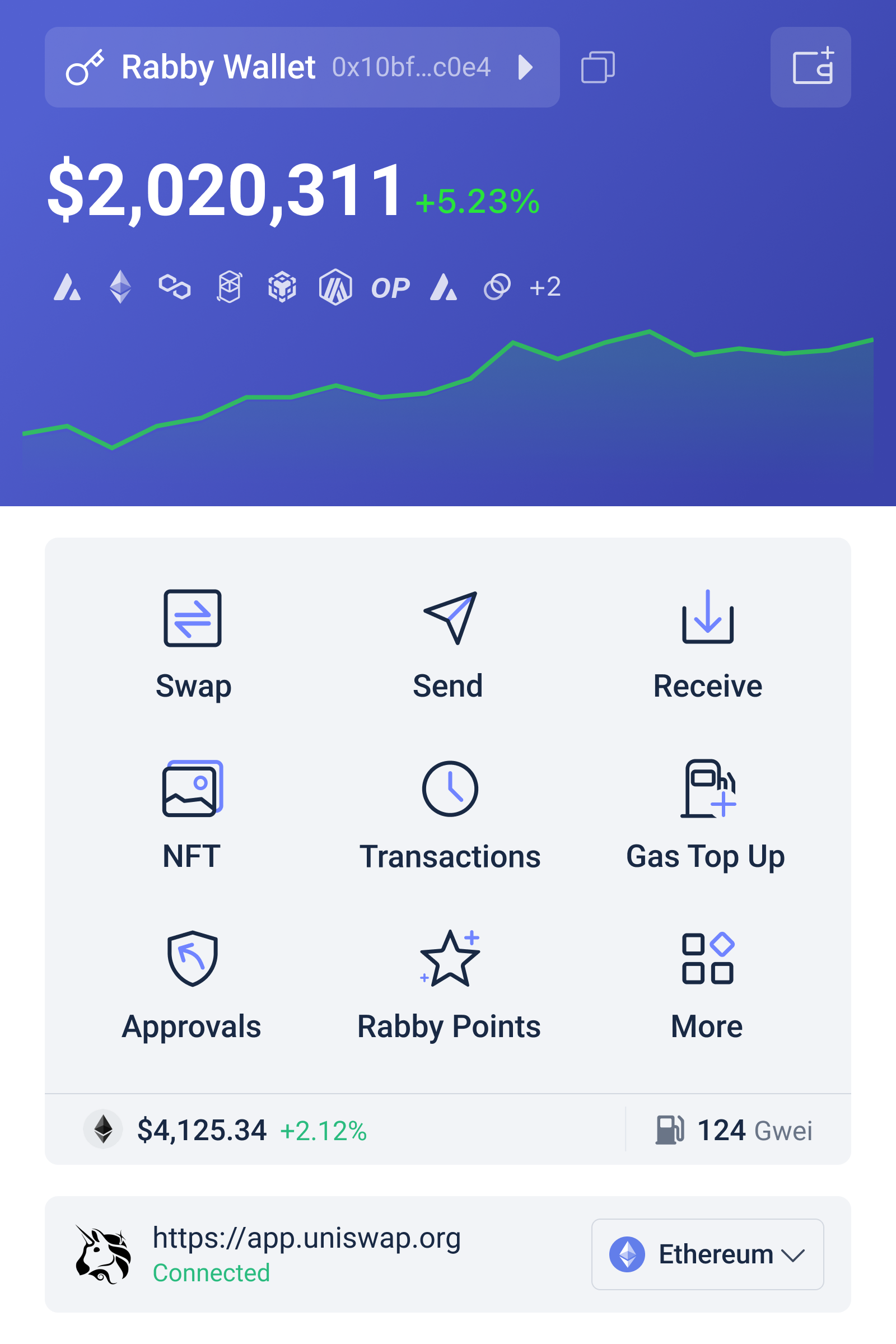
Wallet interface illustrating how transaction simulation and portfolio information help users evaluate smart contract actions

The first myth: a transaction is just a transfer

A basic cryptocurrency transfer usually has an intuitive meaning: one address sends a specified amount of a native asset to another address. Smart contract calls are different. The transaction may invoke a function, pass encoded instructions, change permissions, deposit collateral, mint a position, or route assets through several contracts. The visible label in a decentralized application is therefore only a user-interface interpretation of the underlying call.

Approvals create an especially important distinction. When a user approves a decentralized exchange or lending protocol to spend a token, the approval is not the trade itself. It is a permission that may be used later, subject to the allowance granted and the contract’s logic. A wallet can help identify the approving contract and the asset involved, but the user still has to reason about whether the permission is necessary, whether the allowance is excessive, and whether it should later be revoked.

Transaction simulation addresses this problem by estimating the state changes that could follow a proposed call before it is broadcast. In practical terms, simulation may reveal which assets leave the wallet, which assets arrive, whether an approval is created, and whether the call is likely to fail. This is valuable because many security failures are authorization failures: the user signs a transaction whose meaning was obscured by a polished interface.

Yet simulation is not an oracle. It is an execution estimate based on a particular state, block context, RPC provider, and set of assumptions. A transaction can be affected by price movement, changing liquidity, block ordering, a malicious or compromised front end, or contract behavior that depends on conditions not represented in the preview. Simulation improves visibility; it does not remove uncertainty. That boundary is essential for advanced users who might otherwise treat a green preview as a guarantee.

Why portfolio tracking is a different analytical task

Portfolio tracking answers a different question: what economic exposure does the wallet appear to have? A useful tracker may aggregate balances across networks, display token prices, estimate the value of liquidity positions, and account for staked or deposited assets. This is more informative than viewing isolated token balances, particularly for US users managing activity across Ethereum, layer-two networks, and other ecosystems.

But a wallet balance is not the same as a portfolio. A token may be locked in a vesting contract, deposited as collateral, paired in a liquidity pool, wrapped, bridged, or represented by a derivative. Its displayed quantity can be correct while its economic meaning remains misunderstood. A liquidity-provider position, for example, may contain changing proportions of two assets and may also carry fees, impermanent loss, smart contract risk, and withdrawal conditions. A simple dollar total compresses all of that into one number.

The sharper mental model is to separate three layers: ownership, control, and exposure. Ownership asks what assets or claims are associated with an address. Control asks which contracts, delegates, or permissions can act on those assets. Exposure asks how the position gains or loses value under changes in price, liquidity, interest rates, collateral requirements, and protocol solvency. Portfolio tracking is strongest at the first layer, useful but incomplete at the third, and often dependent on separate security analysis at the second.

This distinction explains why an advanced wallet can be more useful than a standalone tracking application. A dedicated tracker may offer richer charts, historical performance, tax-lot calculations, or export tools. A browser wallet may offer a better signing workflow, chain-aware warnings, simulation, and direct context at the moment of interaction. A hardware wallet can provide stronger key isolation, but usually offers less interpretation of what a decentralized application is asking the user to sign. Each option solves a different part of the problem.

Comparing the main approaches

A basic browser wallet is convenient and often sufficient for simple transfers. Its weakness is that convenience can encourage users to approve prompts without investigating the contract or the resulting state change. It may show a transaction hash and fee while leaving the crucial question unanswered: what rights and assets does this call change?

A specialist wallet such as rabby wallet is designed around the interaction rather than only the key. For a DeFi user, the practical value lies in bringing transaction interpretation, simulation, risk prompts, and portfolio context closer to the signing decision. That can reduce a common form of human error: signing quickly because the interface makes a complex action look routine. The trade-off is that users must still understand warnings, distinguish a failed simulation from a malicious contract, and verify that the wallet’s displayed interpretation matches their intent.

Hardware wallets address a different threat model. They can make remote theft of signing keys more difficult, especially when the device is used correctly and its display is independently checked. They do not automatically identify a fraudulent protocol, understand every proxy contract, or prevent a user from approving a dangerous allowance. Key custody and transaction comprehension are complementary controls, not substitutes.

Dedicated portfolio applications are useful when the main task is accounting. They may help compare performance, organize addresses, and estimate taxable events. Their limitation is contextual distance: the application may know that a wallet owns a position without knowing why the next contract call is dangerous. For serious users, the strongest setup may be layered rather than exclusive—a wallet for signing and interaction, a hardware device for key protection, and a separate tracker for historical analysis. More tools can improve coverage, but they also create synchronization and privacy costs.

A practical framework before signing

Before confirming a smart contract call, start with intent. State the action in plain language: “I am exchanging this amount,” “I am depositing collateral,” or “I am granting this contract permission to spend this token.” If the wallet preview does not resemble that sentence, stop. Ambiguity is not a minor usability defect; it is evidence that the transaction has not yet been understood.

Next, inspect the state change rather than only the requested method. Look for outgoing assets, incoming assets, approvals, network, recipient contract, and fee. A transaction that claims to be a claim or mint but sends valuable tokens elsewhere deserves a different level of scrutiny. Also check whether an approval is limited to the intended amount or effectively unlimited. The lowest-friction option is not always the lowest-risk option.

Then evaluate the protocol separately from the transaction. A successful simulation indicates that the call can execute under the tested conditions. It does not establish that the protocol is audited, economically sound, honestly governed, liquid enough for exit, or immune to an exploit. Contract addresses should be verified through trusted channels, and unusually urgent prompts, unfamiliar domains, or requests to disable protective checks should be treated as warning signals.

Finally, connect the transaction to portfolio concentration. A small swap may be operationally safe but financially significant if it increases exposure to one volatile asset or makes a lending position vulnerable to liquidation. Conversely, a transaction may look alarming because it moves a receipt token while merely restructuring an existing position. Portfolio context turns isolated warnings into risk decisions.

Limits, uncertainty, and what to watch next

The most important limitation is that security tools operate under incomplete information. Contract upgrades can change behavior. Oracles can report incorrect prices. Bridges can introduce additional trust assumptions. A front end can be altered while the underlying contracts remain unchanged, or the reverse. A wallet’s warnings are therefore best understood as a risk-screening layer, not a final verdict.

The likely direction of improvement is conditional on better interoperability among wallets, applications, simulation services, and portfolio systems. If those systems can represent permissions, positions, and expected state changes in consistent language, users may gain a more coherent view of both action and consequence. The evidence that would support meaningful progress is not a louder warning banner, but fewer unexplained signatures, clearer approval scope, and portfolio views that distinguish liquid assets from contingent claims.

For now, the reusable rule is simple: treat every signature as a state transition, not a click. Use simulation to ask what may happen, portfolio tracking to ask what you already depend on, and independent verification to ask whether the interaction deserves trust. A wallet can narrow the gap between what a contract does and what a user thinks it does. It cannot eliminate the gap entirely—and recognizing that boundary is itself a security feature.

Frequently Asked Questions

Does transaction simulation guarantee that a smart contract interaction is safe?

No. Simulation can expose expected transfers, approvals, failures, and other state changes under particular conditions. It cannot guarantee that the contract is legitimate, that its future behavior will remain unchanged, or that market and block conditions will not alter the result. Treat it as an important inspection tool, not proof of safety.

Why can portfolio tracking show the wrong impression of my risk?

A portfolio tracker may accurately display balances while omitting the conditions attached to them. Deposited assets, liquidity positions, wrapped tokens, collateral, and unclaimed rewards can have different liquidity, counterparty, and smart contract risks. Review ownership, permissions, and economic exposure separately rather than relying on one total valuation.

Should DeFi users choose a wallet, hardware wallet, or portfolio tracker?

They serve different purposes. A transaction-focused wallet improves interpretation at signing, a hardware wallet strengthens key isolation, and a portfolio tracker supports accounting and performance analysis. Depending on the user’s activity and threat model, combining them may be more robust than expecting one product to solve every operational and analytical problem.

The Ethical Landscape of Mobile Slot Testing in the Gaming Industry

As the online gaming sphere expands rapidly, particularly within the realm of mobile gambling, ensuring fairness, transparency, and accountability in game development and deployment has become paramount. With billions of dollars in revenue and millions of players globally, the industry faces mounting scrutiny from regulators, players, and advocacy groups alike. Central to this conversation is the rigorous testing of slot games—an essential process that guarantees the randomness and fairness of outcomes. However, beneath the surface of sophisticated algorithms and dizzying graphics lies a complex web of ethical considerations.

Understanding the Importance of Slot Testing in the Digital Age

Mobile slot games have evolved from simple mechanical concepts to highly sophisticated digital experiences, often featuring immersive themes, progressive jackpots, and engaging bonus features. The core of fair play rests on the concept of randomness, which is mathematically modeled using Random Number Generators (RNGs). Proper testing of these RNGs ensures that outcomes are unpredictable and not manipulable by either operators or players.

Regulatory bodies across the UK and beyond have mandated strict testing standards to uphold consumer trust and integrity. For example, the UK Gambling Commission (UKGC) enforces rigorous testing procedures to verify that game results align with declared Return to Player (RTP) percentages—typically ranging between 85% and 98% for online slots. This ensures that players receive a fair chance at winning over the long term.

The Ethical Concerns in Slot Game Development and Testing

Despite clear regulations, ethical dilemmas often arise surrounding the development and testing of slot games. These issues include:

  • Data Manipulation: The temptation for operators to adjust RTPs or influence game behavior to increase profits, potentially at the expense of players.
  • Transparency: The extent to which players are informed about the fairness measures, RTP, and testing procedures.
  • Third-Party Auditing: The reliance on independent testing agencies to validate RNGs and payout structures.
  • Misleading Marketing: Promoting games with inflated payout claims or hiding the true odds of winning.

Addressing these concerns requires a commitment not only to regulatory compliance but also to a broader ethical duty towards players. Transparency in testing and clear communication about game fairness go a long way in fostering trust and industry credibility. An example of transparency can be seen in how testing agencies publish comprehensive reports—accessible to the public—detailing the testing process and results for each game.

Industry Insights: The Role of Testing Agencies and Standards

Leading testing agencies such as eCOGRA, GLI, and iTech Labs have pioneered standards that underpin the integrity of online slot games. Their rigorous auditing includes:

  1. Verifying RNG robustness and unpredictability.
  2. Ensuring payout percentages comply with declared RTPs.
  3. Testing for software vulnerabilities that could lead to unfair practices.
  4. Continuous monitoring post-launch to detect anomalies or deviations.

In addition, emerging legislative frameworks such as the UK’s Gambling Act aim to enhance transparency further by mandating the publication of game fairness tests. This drives the industry toward higher ethical standards and helps safeguard vulnerable players that might otherwise fall prey to manipulative practices.

Bridging the Gap: Ethical Challenges and Future Directions

One notable resource—a comprehensive compilation of slot machine outcomes and testing details—is accessible through the link 7 Sins details. This database aggregates data on various issues linked to slot machine performance and fairness, serving as a valuable reference point for regulators, industry analysts, and conscientious operators seeking to uphold ethical standards in game testing.

The ongoing challenge lies in bridging the gap between regulatory compliance and moral responsibility. Artificial intelligence and machine learning, when integrated responsibly, can enhance the detection of irregularities during testing phases. Furthermore, increasing transparency—such as publishing detailed audit reports and allowing third-party verification—can bolster industry credibility.

Conclusion: Ethical Slot Testing as a Pillar of Responsible Gaming

The integrity of online slot games hinges on meticulous testing and steadfast adherence to ethical principles. As the industry continues to evolve, embracing transparency, fostering independent audits, and maintaining open communication with players help establish a sustainable ecosystem built on trust. Resources like the 7 Sins details exemplify the importance of data-driven oversight in promoting honesty and fairness.

For industry stakeholders, the message is clear: Responsible gaming starts with rigorous, transparent testing. Only then can we ensure that entertainment remains fair, enjoyable, and genuinely trustworthy for millions of players worldwide.

L’Italia ha consolidato negli ultimi anni un quadro normativo rigoroso per il mercato delle scommess

Il contesto regolamentare in Italia: tra evoluzione e sfide

L’Italia ha consolidato negli ultimi anni un quadro normativo rigoroso per il mercato delle scommesse sportive e gaming online, con l’obiettivo di tutelare i giocatori, prevenire il riciclaggio di denaro e garantire l’integrità delle competizioni sportive. L’Agenzia delle Dogane e dei Monopoli (ADM) funge da autorità regolatrice, rilasciando concessioni e monitorando la conformità delle piattaforme.[1] Questa regolamentazione ha portato a una crescita della fiducia degli utenti, ma ha anche imposto al settore sfide non indifferenti, come l’adeguamento alle nuove normative e la gestione della concorrenza europea.

In un mercato così evoluto, le piattaforme che vogliono emergere devono non solo rispettare la normativa, ma anche offrire servizi affidabili, trasparenti e innovativi, elementi fondamentali per conquistare la fiducia dei consumatori italiani.

L’importanza della trasparenza e delle recensioni specializzate

In un settore altamente competitivo e soggetto a frequenti innovazioni tecnologiche, la reputazione di una piattaforma assume un ruolo cruciale. Gli utenti italiani cercano fonti di informazione autorevoli che possano guidarli nell’individuazione di servizi affidabili e conformi alle normative locali.[2] È qui che recensioni dettagliate e approfondite, come quelle fornite da portali specializzati, diventano fondamentali.

Per esempio, uno strumento di analisi completa come moneymask italia recensione offre agli utenti una valutazione imparziale e approfondita di diverse piattaforme, coprendo aspetti come qualità del servizio, sicurezza, varietà di offerte e rispetto delle normative italiane. Questa credibilità si traduce in una guida di valore per gli appassionati e i professionisti del settore.

Innovazioni nel mercato: tecnologie e servizi avanzati

Il settore delle scommesse e del gaming online in Italia sta vivendo una fase di profonda trasformazione, guidata dall’introduzione di tecnologie come l’intelligenza artificiale, il live streaming e le piattaforme 모바일. Questi strumenti migliorano l’esperienza utente, aumentano la trasparenza e rafforzano la sicurezza dei dati, elementi ormai imprescindibili in un mercato maturo.[3]

Innovazione Tecnologica Impatto sulla Fidelizzazione Utente
Intelligenza Artificiale per quote personalizzate e analisi comportamentale Aumenta precisione e affidabilità nelle scommesse
Streaming live e strumenti di analisi in tempo reale Arricchisce l’esperienza e incentiva il coinvolgimento continuo
Mobile-first design e app innovative Facilità di accesso ovunque e in ogni momento

L’affidabilità come chiave di successo

“Nel mercato delle scommesse online, la fiducia si costruisce attraverso la trasparenza, il rispetto delle normative e la qualità del servizio. Piattaforme che investono in sicurezza e assistenza clienti sono oggi le più competitive.” — Analista di settore

Per approfondire l’affidabilità di molte piattaforme, gli utenti e gli esperti si affidano a recensioni e test di terze parti, come quella disponibile su moneymask italia recensione. Queste analisi forniscono un quadro dettagliato delle caratteristiche di sicurezza, delle licenze in possesso e della qualità del supporto clienti.

Conclusioni: il futuro delle scommesse in Italia

Il settore italiano delle scommesse online si trova in una fase di profonda maturità, caratterizzata da innovazioni tecnologiche e un’attenzione crescente alla trasparenza e alla legalità. La reputazione delle piattaforme dipende da quanto sono in grado di integrarsi con questo scenario, offrendo servizi affidabili e conformi.[4] In questo contesto, strumenti di analisi indipendenti e approfondite, come moneymask italia recensione, giocano un ruolo strategico nel guidare l’utente verso scelte sicure e informate.

In definitiva, il mercato delle scommesse in Italia continuerà a evolversi, spinto dall’innovazione tecnologica e dalla crescente domanda di sicurezza, creando nuove opportunità per operatori e consumatori consapevoli.

Wildzy Casino Responsible Gaming Tools

Wildzy Casino prioritises player safety and wellbeing through a robust suite of responsible gaming tools. These tools are designed to assist players in managing their gaming habits, ensuring a safe and enjoyable experience, especially for those who prefer to play on the go using their mobile devices. With a responsive app and user-friendly touch interface, Wildzy Casino makes accessing these tools straightforward and efficient.

Key Responsible Gaming Features

Wildzy Casino offers several key features that promote responsible gaming. These tools allow players to set limits, monitor their activity, and seek help when needed. The main features include:

  • Deposit Limits: Players can set daily, weekly, or monthly deposit limits. This feature helps control spending and ensures players do not exceed their budget.
  • Session Time Limits: Users can limit the time spent on the app each day. This encourages breaks and reduces the risk of excessive play.
  • Self-Exclusion: If players feel they need a break from gambling, they can opt for self-exclusion for a set period. This can range from a few days to several months.
  • Reality Checks: Wildzy Casino provides pop-up reminders to inform players of their gameplay duration, helping them stay aware of their gaming habits.

Mobile User Experience

The mobile app of Wildzy Casino is designed with user experience in mind. The application is responsive, ensuring smooth navigation and interaction. Here’s a closer look at how the app performs:

  • App Quality: The Wildzy Casino app is well-optimised for mobile devices, providing high-quality graphics and fast loading times. This enhances the overall gaming experience, making it ideal for players who enjoy gaming on the move.
  • Touch Interface: The app’s touch interface is intuitive, allowing for easy access to responsible gaming tools. Players can quickly navigate to settings, making adjustments without hassle.
  • Accessibility: Features like text size adjustment and colour contrasts ensure that the app is accessible to a wider range of users, promoting inclusivity.

Effectiveness of Responsible Gaming Tools

Understanding the effectiveness of the responsible gaming tools offered by Wildzy Casino is vital. Below is a comparison of the key features to highlight their importance:

Feature Impact Duration
Deposit Limits Helps prevent overspending Daily, weekly, or monthly
Session Time Limits Encourages breaks Customisable based on player preference
Self-Exclusion Prevents impulsive play Minimum 1 day to maximum 5 years
Reality Checks Increases awareness of play time Customisable reminders

By implementing these responsible gaming tools, Wildzy Casino adheres to the guidelines set by the UK Gambling Commission (UKGC), ensuring a safe environment for all players. The emphasis on mobile usability means that players can manage their gaming habits effectively, no matter where they are.

For those looking to enjoy an engaging gaming experience while remaining mindful of their gambling habits, wildzy casino stands out as a commendable choice, offering the necessary tools for responsible gaming right at your fingertips.

Game Provider Comparison: NetEnt vs Microgaming

What are the key differences between NetEnt and Microgaming?

NetEnt and Microgaming are two of the most influential software providers in the online gaming industry. Both offer a diverse range of games, but they have distinct characteristics that set them apart.

Feature NetEnt Microgaming
Year Established 1996 1994
Game Variety Over 200 Over 800
Average RTP 96.5% 96.3%
Volatility Range Low to Medium Low to High
Mobile Compatibility Yes Yes

How do NetEnt and Microgaming differ in terms of game volatility?

Volatility is crucial in determining the risk involved in playing a slot game. NetEnt typically offers games with low to medium volatility, resulting in frequent, smaller wins. This makes their games appealing to players who prefer a steady return. In contrast, Microgaming provides a wider range of volatility, from low to high, catering to both casual players and high rollers seeking larger payouts but with less frequent wins.

What types of games do NetEnt and Microgaming offer?

Both providers have a rich portfolio of games, yet they exhibit different focuses:

  • NetEnt: Known for its visually stunning video slots like Starburst and Gonzo’s Quest, which feature innovative gameplay and high-quality graphics.
  • Microgaming: Offers a broader selection, including classic slots, video slots, table games, and live dealer games. Titles such as Thunderstruck II and Immortal Romance are particularly popular.

What are the advantages of playing games from each provider?

Understanding the advantages can help players make informed decisions:

  • NetEnt:
    • High-quality graphics and sound design.
    • Innovative features such as Avalanche mechanics and Cluster Pays.
    • Regularly updated game library with new releases.
  • Microgaming:
    • Extensive game portfolio, including a larger number of progressive jackpots.
    • Long-standing reputation in the industry.
    • Greater variety in game themes and styles.

What is the average RTP for games from each provider?

The Return to Player (RTP) percentage is a significant factor for players. Generally, both providers offer competitive RTP rates:

  • NetEnt: The average RTP is around 96.5%, with many of their games exceeding this threshold.
  • Microgaming: Their average RTP is approximately 96.3%, with several standout titles offering even higher percentages.

How do the wagering requirements compare?

Wagering requirements determine how many times players must wager their bonus before they can withdraw winnings. Most casinos operating under the UK Gambling Commission (UKGC) set wagering requirements around 35x for both providers. However, players should always check specific casino terms, such as those on BetBolt Casino, as these can vary widely.

How do players perceive the customer support of each provider?

Customer support is essential for a smooth gaming experience. Both NetEnt and Microgaming have a reputation for providing reliable support:

  • NetEnt: Offers a comprehensive FAQ section and email support, with many casinos providing live chat options.
  • Microgaming: Known for its robust support network, including extensive documentation and dedicated customer service teams through partner casinos.

What trends are emerging in the games from both providers?

As technology advances, both providers are adapting:

  • NetEnt: Increasing focus on mobile optimisation and virtual reality gaming experiences.
  • Microgaming: Expanding its live dealer offerings and embracing blockchain technology for transparency.

In summary, NetEnt and Microgaming have carved their niches within the online gaming sector. Choosing between them often depends on personal preferences in game variety, volatility, and overall gaming experience. Understanding these differences will help players enjoy a more tailored gaming adventure.