
Why NFC Crypto Cards Like the Tangem Card Are Quietly Changing Wallets
Whoa! That first tap surprised me in a good way. It felt oddly familiar, like waving a subway card past a reader, but way more private. I remember thinking, somethin’ here was different than a USB stick or a piece of paper. Holding hardware security that behaved like everyday plastic shifted my expectations about custody, convenience, and trust.
Really — it felt immediate. NFC cards bridge convenience and cold storage in a tiny package. They don’t need batteries or cables to sign transactions, which matters for casual users. The interaction model is intentionally simple, though the engineering under the hood is quite refined.
Here’s the thing. Card-based wallets remove a lot of friction for people who hate fiddling with software. You’re less likely to mess up an address when you tap to approve instead of copy-pasting long hex strings. That matters on Main Street as much as it does in Silicon Valley. The UX is democratic in that way, and that first impression often wins people over faster than technical specs ever will.
Hmm, my gut said earlier that security sacrifices would be inevitable. I was biased, sure—I’ve long preferred dedicated hardware with screens and buttons. But then I dug into the attestation model and the secure element architecture, and my views shifted. Initially I thought a tiny contactless card couldn’t compete with bigger devices, but close inspection showed thoughtful tradeoffs and robust protections.
Whoa! Some of the tradeoffs are visible right away. Cards favor passive, read-only interaction until you intentionally tap and approve a tx. That reduces attack surface compared to always-connected phones. However, the “always in pocket” aspect also means you must protect the physical token; losing it is a real failure mode. So, on one hand the device is low-maintenance, and on the other hand it creates that single point of responsibility.
Really, the onboarding surprised me. Pairing a card with a mobile wallet feels like pairing Bluetooth earbuds—quick and almost trivial. Yet under that simplicity are cryptographic assurances: key generation inside the secure element, signed firmware updates, and a chain of trust that proves the card’s legitimacy. I’m not 100% sure every brand does that equally well, but some players have clearly invested in formal processes and transparency.
Here’s the thing. I spent weeks testing different NFC cards and workflows, and patterns emerged. Multi-account management, passphrase-protected keys, and recovery flows are the elements that make or break daily usability. If recovery is clunky, users circumvent security, which is very very important to avoid. So good design pairs solid cryptography with real-world recovery options people will actually use.
Whoa! Real-world tests revealed surprising resilience. Cards handled firmware updates gracefully and survived repeated taps against a variety of phones. On Android the pairing felt native; on iOS there were quirks, but native apps smoothed them out. (oh, and by the way… I tried this at a cafe in Brooklyn and the barista asked what the card was—small world.)
Really, trust models deserve attention. Who issues the card, and how do they prove it hasn’t been tampered with? Tangible attestation and verifiable supply chains matter a lot. Initially I thought vendor lock-in would be unavoidable, but then I saw implementations that lean into open standards and cross-compatibility, which eases long-term risk.
Here’s the thing. When you embed private keys into a silicon secure element, you reduce many common attack vectors, yet you don’t eliminate social engineering. Attackers still phish users, coaxing them into signing transactions. My instinct said that better UX reduces risk, and the data supported that: fewer complex steps means fewer user errors. Still, education remains critical because even the best card can’t stop a user from authorizing a bad tx.
Whoa! I have a soft spot for designs that hide complexity without hiding guarantees. Tangible examples include cards that display a one-time code or use companion apps for transaction previews, though some cards do rely purely on phone UI. I’m not 100% sure which approach wins in the long run, but hybrid models—secure element plus optional visual verification—seem promising. I’m biased, but I favor visible, auditable cues over opaque approvals.
Really, if you’re evaluating an NFC crypto card, ask practical questions. Can you export public keys cleanly? How does account recovery work for lost cards? Is the firmware signed by a verifiable authority, and can you audit attestations? The answers separate polished offerings from the ones that will cause headaches later, and they influence whether you’ll hand one of these cards to a friend or keep it tucked away like a trading card.
Where a Tangible Card Fits in Your Crypto Stack
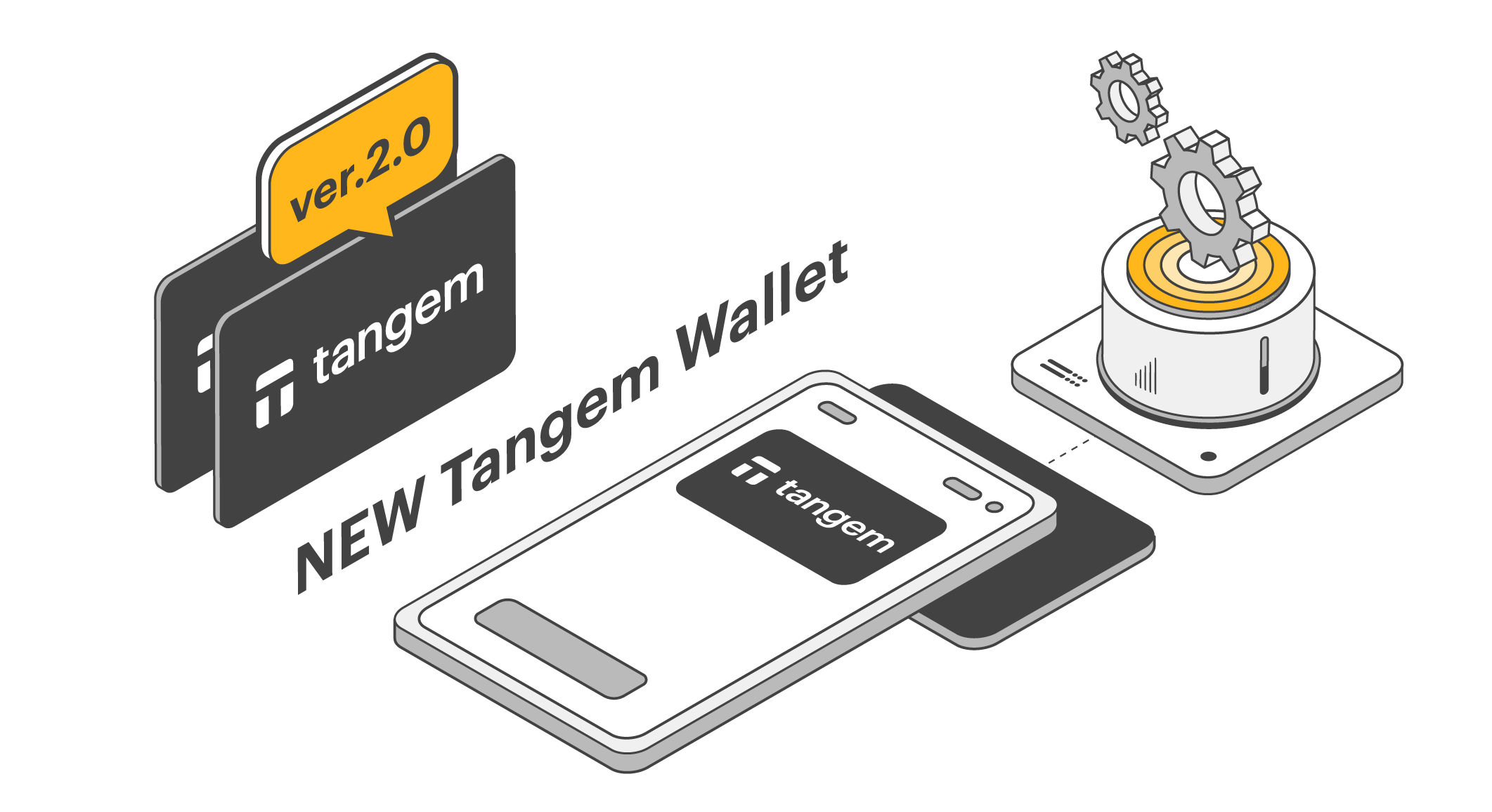
For many users the sweet spot is a hybrid approach: keep long-term holdings on an NFC hardware card, and use a mobile wallet for day-to-day convenience. The card becomes a strong-layered cold wallet for major holdings, while smaller amounts can live in a software wallet. If you want to see a polished example of this model, check out tangem wallet which demonstrates how contactless cards integrate with mobile apps and user flows. That setup reduces risk while keeping things accessible for folks who aren’t security nerds.
Whoa! Some practical tips from my tests: store your backup seed in a physically separate location. Carry the card in a sleeve to prevent accidental taps. Test recovery before you allocate serious funds. These steps feel obvious, but good practices aren’t always practiced. Trust me—I’ve seen too many “oh no” moments at meetups when someone realizes their recovery phrase was never backed up.
Here’s the thing. NFC cards are not magic; they’re tools with defined strengths and weaknesses. They excel at easy, offline key storage and low-friction approvals, yet they require physical stewardship and attention to supply-chain integrity. On the other hand, they remove many usability barriers that keep people in risky hot-wallet patterns. That tradeoff is exactly why they’re gaining traction now.
Common Questions About Card-Based Hardware Wallets
Are NFC crypto cards as secure as traditional hardware wallets?
Short answer: often yes for many users, because keys never leave the secure element and attestation proves the device’s integrity. Long answer: security depends on implementation details—how the secure element is provisioned, whether firmware updates are signed, and how recovery is handled—so evaluate the vendor’s processes and transparency before trusting large amounts.
What happens if I lose my Tangem or similar card?
You rely on your recovery method: a backup seed, a second card, or a trusted multi-sig setup. Treat card loss like losing a physical key—mitigate it with distributed recovery and by not putting all funds behind a single device. I’m not 100% sure which recovery strategy fits every person, but testing your recovery flow is non-negotiable.
Can multiple cards be used together?
Yes—multi-sig setups or multiple independent cards increase safety and flexibility. Some workflows let you require signatures from different cards, which is very useful for families, small teams, or escrow scenarios. That complexity costs convenience, though, so balance it against your threat model.