Пинко казино официальный сайт: Как выбрать надежное казино

Пинко казино официальный сайт: Как выбрать надежное казино

В современном мире онлайн-гемблинга выбор надежного казино стал настоящим искусством. Когда дело касается площадок, таких как Пинко казино, нужно внимательно рассмотреть несколько факторов, чтобы избежать разочарования. Этот обзор поможет вам понять, на что обращать внимание при выборе казино, а также расскажет о том, как защитить свои данные и увеличить шансы на выигрыш.

Лицензия и регулирование

Первое, что стоит проверить при выборе онлайн-казино, — наличие лицензии. Надежные казино всегда работают на основании действующей лицензии, выданной авторитетными органами, такими как MGA (Malta Gaming Authority) или UKGC (UK Gambling Commission). Эти лицензии гарантируют, что казино соблюдает строгие стандарты азартных игр и обеспечивает защиту прав игроков. Будьте внимательны к следующим аспектам:

  • Тип лицензии и страна ее выдачи.
  • Срок действия лицензии.
  • Репутация лицензирующего органа. Например, лицензии, выданные MGA, считаются одними из самых надежных в Европе.

Также важно проверить, под каким названием зарегистрировано казино, так как это может помочь в случае споров. Например, Пинко казино должно указывать свои юридические данные на официальном сайте.

Методы безопасности

Ваши личные данные и финансовая информация должны быть под надежной защитой. Поэтому убедитесь, что казино использует современные методы шифрования, такие как SSL (Secure Socket Layer). Это гарантирует, что информация передается в зашифрованном виде и защищена от третьих лиц. Обратите внимание на следующие аспекты:

  • Использование SSL-сертификата.
  • Наличие двухфакторной аутентификации (2FA).
  • Политика конфиденциальности.

К примеру, если вы хотите больше узнать о методах безопасности в казино, вы можете ознакомиться с мнением эксперта в области азартных игр, гемблинг-эксперт Джон Смит, который делится полезными советами по выбору надежного онлайн казино.

Выбор игр и программного обеспечения

Качество и разнообразие игр также играют ключевую роль в выборе казино. Отдайте предпочтение площадкам, предлагающим разнообразные игры от известных провайдеров, таких как NetEnt, Microgaming или Playtech. Хорошее казино должно предлагать: Пинко казино

  • Слоты с высоким RTP (возвратом к игроку).
  • Столовые игры, включая покер, блэкджек и рулетку.
  • Игры с живыми крупье.

Всё это обогатит ваш игровой опыт и повысит шансы на выигрыш. Вы можете ознакомиться с последними трендами в индустрии азартных игр, прочитав статью BBC о новых тенденциях в игорной индустрии.

Бонусы и акции

Не забывайте о бонусах и акциях, которые также могут сыграть важную роль при выборе казино. Многие заведения предлагают щедрые приветственные бонусы, фриспины или кэшбэк. Обязательно ознакомьтесь с условиями использования бонусов, чтобы избежать неприятных сюрпризов. Основные моменты, на которые нужно обратить внимание:

  1. Срок действия бонуса и его условия.
  2. Вейджер (коэффициент отыгрыша).
  3. Минимальные требования по ставкам.

Не все казино предлагают одинаково выгодные условия, поэтому обязательно сравните несколько площадок перед тем, как сделать окончательный выбор.

Пользовательский опыт и отзывы

Не забывайте исследовать отзывы других игроков о выбранном казино. Это позволяет составить более полное представление о его работе, а также о возможных проблемах. Вы можете посмотреть на специализированные форумы, такие как AskGamblers или Casinomeister, где пользователи делятся своим опытом. Вот несколько аспектов, которые стоит учесть:

  • Служба поддержки клиентов.
  • Скорость вывода средств.
  • Общие отзывы о честности и надежности.

Изучив мнения других игроков, вы сможете избежать неприятных ситуаций и сделать осознанный выбор.

Заключение

Выбор надежного онлайн-казино — это вопрос не только удобства, но и безопасности ваших средств и данных. Помните о лицензии, методах безопасности, разнообразии игр, бонусах и отзывах других пользователей. Если провести тщательный анализ, вы значительно увеличите свои шансы на успех и наслаждение от игры. Не забывайте также о внимании к официальному сайту казино, такому как Пинко казино, чтобы получить доступ ко всем услугам.

Часто задаваемые вопросы

Как понять, что казино надежное?

Проверьте наличие лицензии, положительные отзывы игроков и уровень защиты данных.

Что такое вейджер?

Вейджер — это коэффициент, который нужно преодолеть, чтобы вывести бонусные средства.

Как выбрать лучшие игры в казино?

Отдайте предпочтение играм от известных провайдеров и с высоким RTP.

Зачем нужны онлайн-отзывы о казино?

Отзывы помогают получить представление о реальном опыте других игроков, что может помочь избежать проблем.

Можно ли заработать на онлайн-казино?

Да, но это требует знания и подходящей стратегии игры, и не гарантирует постоянного успеха.

Рост 1вин в потребительском розничном банковском секторе

Рост 1вин в потребительском розничном банковском секторе

Рост 1вин в потребительском розничном банковском секторе стал заметным явлением в последние годы. Эта компания успешно интегрировала инновационные решения в традиционную банковскую практику, обеспечивая более удобный и доступный сервис для клиентов. За счет этого 1вин сумела значительно увеличить свою долю на рынке, привлекая новых клиентов и удерживая существующих. В данной статье мы рассмотрим ключевые аспекты роста 1вин, а также его влияние на российский банковский сектор.

Инновационные технологии и их влияние на рост 1вин

Внедрение новых технологий стало основным двигателем роста 1вин в потребительском розничном банковском секторе. Использование онлайн-платформ и мобильных приложений позволяет клиентам легко и быстро управлять своими финансами, что значительно повышает уровень удовлетворенности. Кроме того, 1вин активно использует технологии больших данных для анализа потребительских привычек и предпочтений, что позволяет создавать индивидуализированные предложения. Основными направлениями инноваций являются:

  1. Мобильные приложения с интерактивными интерфейсами;
  2. Системы искусственного интеллекта для улучшения клиентского сервиса;
  3. Криптографические технологии для обеспечения безопасности транзакций.

Конкуренция на рынке потребительского банкинга

Рынок потребительского банкинга в России становится все более конкурентным, и 1вин уверенно занимает свои позиции. Конкуренция заставляет банки адаптироваться и предлагать более выгодные условия для клиентов. Одним из ключевых факторов успеха 1вин является умение предлагать низкие процентные ставки по кредитам и высокие процентные ставки по депозитам. К тому же, компания активно внедряет программы лояльности, которые привлекают новую аудиторию. Главное внимание уделяется следующим аспектам:

  • Сравнение условий с конкурентами;
  • Индивидуальные предложения для клиентов;
  • Промоакции и специальные предложения.

Финансовая грамотность и поддержка клиентов

1вин делает акцент на повышении финансовой грамотности своих клиентов, что, в свою очередь, способствует росту компании. Банк регулярно проводит образовательные курсы и семинары по управлению личными финансами, доступные как онлайн, так и офлайн. Это дает клиентам возможность не только лучше понимать финансовые продукты, но и развивать навыки финансового планирования. Поддержка клиентов включает в себя не только обучение, но и: зеркало 1 win

1. Доступ к качественным консультационным услугам;

2. Регулярные вебинары с экспертами в области финансов;

3. Личный менеджер для VIP-клиентов.

Партнёрства и стратегическое сотрудничество

Чтобы укрепить свои позиции на рынке, 1вин активно работает с различными партнёрами. Эти сотрудничества позволяют расширять спектр предлагаемых услуг и улучшать клиентский опыт. Например, сотрудничество с технологическими компаниями помогает в разработке новых решений и оптимизации бизнес процессов. Основные направления стратегического сотрудничества следующие:

  • Интеграция с финтех-компаниями для улучшения сервисов;
  • Сотрудничество с крупными ритейлерами для предложения кредитных условий;
  • Объединение усилий с образовательными учреждениями для повышения финансовой грамотности.

Заключение

Рост 1вин в потребительском розничном банковском секторе показал, что инновации, внимание к потребностям клиентов и стратегическое сотрудничество могут существенно изменить облик финансового рынка. Благодаря эффективному совмещению традиционных и современных методов, 1вин удалось привлечь значительное количество клиентов и получить высокий уровень доверия со стороны потребителей. Поэтому можно утверждать, что будущее 1вин выглядит многообещающе, и интерес к их услугам будет только расти.

Часто задаваемые вопросы (FAQ)

1. Какие технологии использует 1вин для улучшения услуг?

1вин использует мобильные приложения, системы искусственного интеллекта и криптографические технологии для повышения безопасности и удобства обслуживания клиентов.

2. Как 1вин привлекает новых клиентов?

Компания предлагает низкие процентные ставки по кредитам, высокие ставки по депозитам, а также программы лояльности и акционные предложения.

3. Как 1вин поддерживает финансовую грамотность клиентов?

Банк проводит образовательные курсы и семинары, а также предоставляет консультационные услуги и вебинары с финансовыми экспертами.

4. Каково значение партнёрств для 1вин?

Сотрудничество с другими компаниями позволяет 1вин расширять спектр услуг, оптимизировать процессы и улучшать клиентский опыт.

5. Каковы прогнозы роста 1вин в будущем?

С учетом текущих успехов и стратегий компании, можно ожидать дальнейшего роста и развития на финансовом рынке.

Лицензии игорной деятельности 1win и их последствия для пользователей

Лицензии игорной деятельности 1win и их последствия для пользователей

В данной статье мы подробно рассмотрим лицензии игорной деятельности, полученные компанией 1win, и их значение для пользователей. Лицензии являются важнейшим аспектом для законности и надежности гемблинг-платформ, обеспечивая защиту интересов игроков и безопасность их денежных средств. Понимание тонкостей лицензирования поможет пользователям уверенно выбирать надежные платформы для игры. Ниже мы обсудим, какие именно лицензии есть у 1win, как они влияют на пользователей и почему это важно. Также мы подчеркнем, какие преимущества и риски могут возникнуть для игроков.

Что такое лицензии игорной деятельности?

Лицензии игорной деятельности – это разрешения, выданные специальными органами управления, которые позволяют компании проводить азартные игры. Каждая страна имеет свои законы и нормативные акты, касающиеся игорного бизнеса, поэтому компании должны соблюдать местные правила. Лицензии служат единственным критерием для определения законности работы гемблинг-платформ, поэтому их наличие – это залог доверия со стороны пользователей. Кроме того, лицензирование обеспечивает следующее:

  • Контроль за игорной деятельностью
  • Защита прав игроков
  • Обеспечение честности игр
  • Гарантия выплаты выигрышей

Лицензии 1win: какие и откуда?

Компания 1win регулирует свою деятельность на основании лицензий, полученных от авторитетных органов, таких как Правительство Кюрасао. Эти лицензии подтверждают легальность всех игр на платформе и предоставляют пользователям определенные гарантии. Для игроков это означает, что их активы будут защищены, и они смогут быть уверены в том, что игры проводятся честно. Вот основные лицензии, которые имеет 1win:

  1. Лицензия Кюрасао
  2. Лицензия от правительства другой юрисдикции (уточнить)

Наличие таких лицензий подтверждает соблюдение всех необходимых требований законодательства и стандартов безопасности, что делает компанию более надежной и привлекательной для игроков 1win.

Преимущества лицензирования для пользователей 1win

Лицензии 1win предоставляют игрокам множество преимуществ, что делает их важным аспектом игорного процесса. Ниже представлены основные выгоды:

  • Защита прав игроков. Пользователи могут быть уверены в том, что их права защищены и в случае споров они могут обратиться в регулирующие органы.
  • Честность игр. Лицензированные платформы обязаны проводить игры в соответствии с установленными стандартами, что обеспечивает справедливость процесса.
  • Гарантия выплат. Лицензирование подразумевает, что компания способна выплачивать выигрыши своим игрокам в соответствии с установленными условиями.
  • Поддержка пользователей. Компании с хорошей репутацией и лицензией часто предоставляют качественную службу поддержки, готовую помочь с любыми вопросами.

Риски и недостатки отсутствия лицензии

Несмотря на многочисленные преимущества лицензирования, существуют ситуации, когда игроки могут столкнуться с компаниями без лицензий. Ниже приведены основные риски:

  • Отсутствие гарантий. Игроки не имеют никаких защит, что делает их уязвимыми к мошенничеству и непорядочным играм.
  • Нет правовой защиты. В случае споров игроки не смогут обратиться за помощью к регулирующим органам.
  • Проблемы с выплатами. Бездействующие компании могут затягивать процесс выплаты выигрышей или вообще их не осуществлять.

Заключение

Лицензии игорной деятельности являются важным аспектом в гемблинг-индустрии, и 1win не исключение. Наличие лицензий от авторитетных органов обеспечивает защиту прав игроков, честность игр и гарантии выплат. Пользователи, выбирая 1win, могут быть уверены в том, что они играют на надежной платформе. Тем не менее, всегда стоит внимательно исследовать условия и правила платформы, прежде чем делать ставки, чтобы избежать потенциальных рисков.

Часто задаваемые вопросы (FAQ)

1. Почему лицензионные игорные компании более надежны?

Лицензионные компании работают в соответствии с законами и стандартами, что обеспечивает защиту прав игроков и честность игр.

2. Где можно проверить наличие лицензии 1win?

Вы можете проверить наличие лицензии на официальном сайте 1win, где указана информация о разрешительных документах.

3. Какие права есть у игроков на лицензированных платформах?

Игроки имеют право на справедливость, защиту личных данных и возможность обжаловать решения компании.

4. Что делать, если у вас возникли проблемы с выплатами?

В первую очередь, стоит обратиться в службу поддержки. Если проблема не решена, можно сообщить о ней в регулирующий орган, выдавший лицензию.

5. Какие основные нюансы лицензионного контроля?

Основные нюансы включают обязательный аудит игр, финансовую отчетность и соблюдение норм безопасности для защиты игроков.

Личная история: как превратить амбиции в одну победу

Личная история: как превратить амбиции в одну победу

Сложная задача — превратить свои амбиции в реальные достижения. Каждый из нас сталкивается с моментами, когда мечты кажутся недостижимыми, а цель — слишком далекой. Однако, успешные истории не раз показывают, как можно осуществить мечты, используя целеустремленность и стратегический подход. В этой статье мы рассмотрим личные истории людей, которые смогли преобразовать свои амбиции в одну значимую победу, и изучим ключевые шаги, которые помогли им добиться успеха.

Определение амбиции

Прежде чем погрузиться в истории успеха, важно понять, что такое амбиция. Амбиция — это стремление к достижению значимых целей, которое может варьироваться от карьерных регалий до личного развития. Она является двигателем, который толкает нас вперед, несмотря на трудности и преграды. Полезно выделить несколько ключевых факторов, связанных с амбициями:

  1. Стремление к успеху: желание добиться высот в жизни или карьере.
  2. Противостояние неудачам: способность преодолевать преграды и учиться на ошибках.
  3. Составление четкого плана: разработка стратегии для достижения своих целей.
  4. Вдохновение: поиск ролей моделей, которые уже достигли успеха.

Истории успеха: реальные примеры

Истории успеха — это отличный способ мотивации для тех, кто ищет вдохновение. Вот несколько личных историй, которые иллюстрируют, как амбиции могут перерасти в победу:

Первый пример — это история молодого предпринимателя Петра, который, имея ограниченные ресурсы, начал свой бизнес. Он начал с единичного продукта, но благодаря упорству и инновациям смог расширить свою компанию до международного уровня. Его секретом стали:

  • Упорный труд и самоотдача.
  • Гибкость в принятии решений на основе рыночных изменений.
  • Создание сильной команды единомышленников.

Второй пример — рассказ о Вере, спортсменке, которая, преодолевая травмы и сомнения, завоевала золото на Олимпийских играх. Ее ключевыми шагами были:

  • Постановка четких и достижимых целей.
  • Работа с тренером, который помогал ей развивать навыки и менять подход к тренировкам.
  • Поддержка семьи и друзей, которые верили в ее способности.

Стратегия достижения целей

Для превращения амбициозных планов в конкретные результаты важно следовать определенной стратегии. Вот несколько шагов, которые могут помочь вам на этом пути: букмекерская контора 1win

  1. Ставьте конкретные цели: четко определяйте, чего хотите достичь.
  2. Создайте план действий: определите шаги, которые необходимо предпринять для достижения цели.
  3. Регулярно оценивайте прогресс: анализируйте свои достижения и корректируйте план при необходимости.
  4. Настройтесь на позитив: развивайте уверенность в своих силах.
  5. Не бойтесь просить помощи: поддержка окружающих может значительно ускорить процесс.

Преодоление неудач на пути к успеху

Неудачи — неотъемлемая часть любого пути к успеху. Важно понимать, как правильно реагировать на их появление. Вот несколько способов, как справляться с неудачами:

  • Анализируйте причины неудачи и учитесь на них.
  • Не позволяйте негативу затмить ваши амбиции.
  • Ищите новый подход и пробуйте снова.
  • Переключите внимание на позитивные обстоятельства в вашей жизни.

Заключение

Преобразование амбиции в одну победу — это путешествие, которое требует усилий, терпения и настойчивости. Изучая личные истории успеха, мы можем не только получить вдохновение, но и узнать о практических подходах, которые помогут нам двигаться к нашим целям. Помните, что ваша история успеха начинается с амбиции, и чем больше вы будете работать над своим развитием, тем ближе вы окажетесь к своей единственной победе.

Часто задаваемые вопросы

1. Как узнать, что моя амбиция реальна?

Оцените свои навыки, ресурсы и возможности. Если амбиция соответствует вашим способностям и вы готовы работать над ее достижением, значит, она реальна.

2. Как справиться с критикой окружающих?

Старайтесь воспринимать критику конструктивно и отделяйте ее от личных атак. Используйте советы для улучшения, не позволяя негативу останавливать вас.

3. Как оставаться мотивированным на пути к цели?

Регулярно напоминайте себе о причинах, по которым вы выбрали эту цель, и находитесь в окружении людей, которые поддерживают ваши усилия.

4. Как определить реальные шаги к достижению цели?

Разбейте вашу цель на более мелкие, достижимые задачи и составьте план, в котором укажете сроки для каждой задачи.

5. Что делать, если не удается добиться успеха быстро?

Не теряйте веры в себя. Успех требует времени, и любой шаг вперед — это все равно прогресс. Пересмотрите свои ожидания и, возможно, подкорректируйте подход.

Ledger Live macOS M1/M2: Native Apple Silicon Unterstützung erklärt

Mac-Nutzer mit Apple Silicon Prozessoren (M1, M2, M3) stehen bei der Auswahl einer Kryptowallet-Management-Software vor einer praktischen Frage: Sollte die Anwendung nativ für Apple Silicon kompiliert sein, oder ist die Rosetta-2-Emulation ausreichend? Ledger Live bietet seit mehreren Versionen native Apple Silicon-Unterstützung, was nicht nur Ausführungsgeschwindigkeit, sondern auch Energieeffizienz und die Zuverlässigkeit der Kommunikation mit Hardware-Wallets beeinflusst. Diese Unterscheidung ist wichtiger als sie auf den ersten Blick erscheint, weil sie bestimmt, wie effizient die Anwendung auf M1-, M2- und M3-MacBooks mit dem Ledger Nano X, Nano S Plus, Stax oder Flex interagieren kann.

Ein Vergleich zwischen nativer und emulierter Architektur zeigt konkrete Unterschiede in Ladezeiten, Speichernutzung und der Stabilität beim Verbindungsaufbau mit Hardware-Wallets über USB oder Bluetooth. Wer ein neues MacBook mit Apple Silicon besitzt oder plant, eines zu erwerben, muss verstehen, dass Ledger Live download und Installation für diese Geräte speziell optimiert ist. Der Prozess der Einrichtung unterscheidet sich in einigen Details von Computern mit Intel-Prozessoren, und die Performance-Unterschiede können sich bei häufigen Transaktionen oder der Verwaltung großer Portfolios bemerkbar machen.

Ledger Live Benutzeroberfläche auf macOS mit nativer Apple Silicon Unterstützung, zeigt Portfolio-Übersicht und Device-Verwaltung

Apple Silicon Architektur und Ledger Live Performance

Apple Silicon basiert auf einer ARM-basierten Architektur, während ältere Mac-Modelle Intel x86-64-Prozessoren verwenden. Ledger Live, das ursprünglich für x86-64-Systeme entwickelt wurde, konnte auf Apple Silicon Macs nur durch Rosetta 2 ausgeführt werden – eine Emulationsschicht, die x86-64-Instruktionen zur Laufzeit in ARM-Instruktionen übersetzt. Dies funktioniert, erzeugt aber einen messbaren Overhead: Zusätzliche CPU-Zyklen für die Übersetzung, erhöhter Speicherbedarf und potenzielle Latenzspitzen bei der Geräte-Kommunikation.

Die native Apple Silicon-Version von Ledger Live wurde direkt für ARM64 kompiliert und benötigt keine Übersetzungsschicht. Das bedeutet, dass der M1-, M2- oder M3-Prozessor den Code direkt ausführt, ohne Zwischenschritte. In der Praxis zeigt sich das beim Laden der Anwendung, beim Abrufen von Kontoständen, beim Durchsuchen von Transaktionshistorien und insbesondere beim Aufbau der Bluetooth-Verbindung zu einem drahtlosen Ledger Nano X. Die meisten Nutzer berichten von einem schnelleren Programmstart (oft um 30–50 Prozent schneller) und weniger Speicherauslastung, besonders wenn mehrere andere Anwendungen offen sind.

Ein weiterer Vorteil zeigt sich bei der Batterie-Laufzeit. Nativ ausgeführter Code benötigt weniger CPU-Zeit für die gleiche Aufgabe, weshalb Laptops mit native unterstützten Anwendungen weniger Strom verbrauchen. Bei der Verwaltung eines Portfolios mit Dutzenden von Konten oder bei regelmäßigen Portfolio-Updates kann dieser Unterschied über einen Tag hinweg 10–20 Prozent zusätzliche Akkuleistung bedeuten.

Für die Kommunikation zwischen Ledger Live desktop und dem Hardware-Wallet ist native Unterstützung entscheidend. Der Verbindungsaufbau über WebUSB und WebHID erfordert präzise Timing und Low-Level-Betriebssystem-Zugriff. Emulierter Code kann dabei gelegentlich zu Timeout-Fehlern oder verzögerten Responses führen, besonders bei längeren Transaktionen. Native Apple Silicon-Versionen reduzieren diese Fehlerquote und ermöglichen zuverlässigere Kommunikation mit mehreren Gerätetypen gleichzeitig.

Ledger Live macOS Installation auf Apple Silicon

Der offizielle Ledger Live download für macOS ist auf der Website ledger.com verfügbar und wird automatisch erkennen, ob der Computer Apple Silicon hat. Wer das erste Mal herunterladen und installieren möchte, sollte sicherstellen, dass die macOS-Version mindestens 12 oder höher ist. Apple Silicon Macs sind in den meisten Fällen mit neueren macOS-Versionen (Monterey, Ventura, Sonoma oder neuer) ausgestattet, daher ist dies normalerweise kein Hindernis.

Die Installer-Datei wird als eine DMG-Datei (Disk Image) heruntergeladen. Nach dem Download sollte die Datei doppelt geklickt werden, um das virtuelle Laufwerk einzubinden. Ein neuer Finder-Fenster öffnet sich, in dem das Ledger Live-Symbol und ein Applications-Ordner sichtbar sind. Das Installationsverfahren funktioniert, indem man das Ledger Live-Symbol in den Applications-Ordner zieht – dies ist eine einfache Datei-Kopie, keine komplexe Installation mit Registry-Änderungen oder verteilten Systemdateien, wie es auf Windows der Fall ist.

Nach dem Kopieren kann die Anwendung aus dem Applications-Ordner gestartet werden. Beim ersten Start fragt macOS, ob man der Anwendung vertrauen möchte. Dies ist eine Standard-Sicherheitsfunktion und eine normale Erscheinung bei allen neuen macOS-Apps von Herstellern, die nicht im Mac App Store verteilt werden. Nachdem der Vertrauensfrage zugestimmt wurde, startet Ledger Live desktop und zeigt den Willkommensbildschirm.

Ein häufiger Fehler besteht darin, die Anwendung aus dem heruntergeladenen DMG-Ordner zu starten, anstatt sie zuerst in den Applications-Ordner zu kopieren. Dies kann später zu Problemen führen, wenn das DMG-Image ausgehängt wird oder die Datei gelöscht wird. Das sichere Verfahren ist: Herunterladen vom ledger.com, Kopieren in Applications, Starten von dort, und erst danach das DMG-Image entfernen.

Bluetooth und USB-Verbindung auf M1/M2/M3 Macs

Die Verbindung zwischen macOS und einem Ledger Hardware-Wallet erfolgt entweder über USB-C (für alle Modelle) oder über Bluetooth (für den Nano X). Auf Apple Silicon Macs können beide Verbindungsarten Besonderheiten aufweisen, die es zu verstehen gilt. Bei USB-Verbindungen funktioniert die Kommunikation über WebUSB, eine Web-Standard-API, die Low-Level-Zugriff auf USB-Geräte ermöglicht. Ledger Live nutzt dies, um mit dem Hardware-Wallet zu kommunizieren, ohne dass private Schlüssel die Anwendung verlassen.

Bluetooth-Verbindungen auf M1/M2/M3 Macs sind in der nativen Ledger Live-Version zuverlässiger als in der emilierten Version. Das liegt daran, dass Bluetooth-Stack von macOS eng mit dem ARM64-Code zusammenarbeitet und die Kommunikation mit geringeren Verzögerungen erfolgt. Benutzer, die einen Nano X verwenden und diesen drahtlos mit ihrem MacBook verbinden möchten, erleben oft eine schneller hergestellte Verbindung und weniger Trennungen während längerer Sitzungen.

Eine Besonderheit von Ledger Live desktop auf macOS ist, dass die Anwendung spezielle Berechtigungen für den USB- und Bluetooth-Zugriff benötigt. Diese werden nicht direkt von macOS angefordert, sondern eher vom System beim ersten Verbindungsversuch erkannt. Es ist wichtig, diese Berechtigungen zu akzeptieren, damit die Geräte-Kommunikation funktioniert. Ohne sie werden Verbindungsversuche fehlschlagen oder hängend bleiben.

Sollte eine Bluetooth-Verbindung beim Nano X fehlschlagen, gibt es einige Troubleshooting-Schritte. Zunächst sollte das Hardware-Wallet aus dem Bluetooth-Menü des Macs entfernt werden, dann sollte das Gerät neu gestartet werden, und die Verbindung sollte erneut hergestellt werden. In seltenen Fällen ist ein Neustart des gesamten Macs erforderlich, besonders wenn der Bluetooth-Stack in einen inkonsistenten Zustand geraten ist.

DeFi und Web3 Integration auf Apple Silicon

Ein wichtiger Teil von Ledger Live desktop ist die Browser-Erweiterung, die es ermöglicht, dezentralisierte Anwendungen (DApps) auf Ethereum, Polygon, Solana und anderen Blockchains zu nutzen, ohne die privaten Schlüssel des Hardware-Wallets zu exportieren. Die Erweiterung kommuniziert über WebHID und WebUSB mit dem Ledger Hardware-Wallet und zeigt Transaktionsdetails auf dem Gerät-Bildschirm an (Clear Signing), bevor der Benutzer die Transaktion mit einem physischen Button bestätigt.

Auf Apple Silicon Macs erfolgt diese Kommunikation native und ohne Umwege über die Emulationsschicht. Das bedeutet, dass DeFi-Interaktionen schneller sind und dass die Verzögerung zwischen Klick im Browser und Anzeige auf dem Hardware-Wallet-Bildschirm deutlich geringer ist. Bei komplexen Smart-Contract-Interaktionen, bei denen mehrere Transaktionen hintereinander notwendig sind, macht sich dieser Unterschied deutlich bemerkbar.

Die Clear Signing-Funktion ist auf Apple Silicon ebenfalls native unterstützt und zeigt Transaktionsdetails in einem lesbaren Format auf dem Nano X, Nano S Plus, Stax oder Flex an. Dies ist ein kritisches Sicherheitsfeature, da es verhindert, dass Malware oder böswillige Websites Phishing-Transaktionen ohne Benutzerkenntnis durchführen. Auf Apple Silicon lädt diese Funktion schneller und Fehlermeldungen treten seltener auf als bei emuliertem Code.

Nutzer, die regelmäßig mit Uniswap, Aave, OpenSea oder anderen dezentralisierten Finanz-Plattformen interagieren, werden die Verbesserungen bei den Antwortzeiten und der Stabilität auf M1/M2/M3 Macs spüren. Besonders in Zeiten hoher Netzwerkauslastung, wenn Gas-Fees volatil sind und schnelle Entscheidungen nötig sind, hilft die native Architektur dabei, den Prozess flüssiger zu gestalten.

Sicherheitsfeatures und ihre Implementierung auf Apple Silicon

Ledger Live desktop enthält mehrere Sicherheitsfeatures, die auf der lokalen Anwendung laufen und unabhängig von der Prozessor-Architektur funktionieren, aber von nativer Kompilierung profitieren. Dazu gehört die Phishing-Schutz-Datenbank, die URLs überprüft und vor bekannten Phishing-Seiten warnt. Auf nativen Apple Silicon Systemen erfolgt diese Überprüfung schneller, da keine Emulationslatenz hinzukommt.

Die Recovery-Phrase-Sicherung ist eine weitere kritische Funktion. Ledger Live desktop warnt Benutzer, wenn sie ihre Recovery-Phrase (die geheime 24-Wort-Phrase, die zum Wiederherstellen des Hardware-Wallets verwendet wird) nicht gesichert haben. Dies ist eine rein lokale Überprüfung und funktioniert unabhängig von der Hardware. Allerdings können Nutzer auf Apple Silicon Macs bei der Verwaltung von Recovery-Phrase-Backups von schnelleren Verschlüsselungs- und Entschlüsselungsvorgängen profitieren, wenn sie ihre Backups lokal mit zusätzlichen Sicherheitsschichten verschlüsseln.

DeFi Security Checkpoints sind eine Funktion, die vor riskanten Smart-Contract-Interaktionen warnt. Diese Checkpoints überprüfen die Adresse, an die Mittel gesendet werden, gegen bekannte Betrugsmuster und warnen vor verdächtigen Aktivitäten. Auf Apple Silicon erfolgt diese Überprüfung ohne Verzögerung und bietet den Nutzern echtzeitnahes Feedback. Ein weiteres wichtiges Feature ist die Integration mit dem Clear Signing-Display des Hardware-Wallets, das verhindert, dass alte Versionen von Ledger Live mit nicht unterstützten Transaktionsteilen arbeiten.

Troubleshooting häufiger Probleme auf macOS M1/M2/M3

Obwohl die native Apple Silicon-Version von Ledger Live desktop stabil ist, können einige Probleme auftreten. Das häufigste Problem ist die fehlende Geräte-Erkennung beim ersten Verbindungsversuch. In diesem Fall sollten folgende Schritte durchgeführt werden: Ledger Live schließen, das Hardware-Wallet mit dem Mac verbinden oder eine Bluetooth-Kopplung durchführen, einige Sekunden warten, und dann Ledger Live erneut öffnen. Oftmals wird das Gerät dann erkannt.

Ein anderes Problem ist, dass das Ledger Hardware-Wallet von macOS als “unbekanntes Gerät” erkannt wird oder eine Fehlermeldung wie “Device not found” angezeigt wird. Dies tritt auf, wenn macOS dem Gerät keine Berechtigung gewährt hat, oder wenn der Treiber nicht korrekt geladen wurde. Lösung: System-Einstellungen öffnen, zum Sicherheitsmenü gehen und überprüfen, dass die Ledger Live-Anwendung Berechtigungen für den Geräte-Zugriff erhielt. In einigen Fällen ist ein Neustart erforderlich.

Eine weniger häufige, aber ernsthafte Situation ist ein “USB Device Not Recognized”-Fehler auf dem Hardware-Wallet-Display. Dies bedeutet, dass das Ledger-Gerät selbst die USB-Verbindung nicht erkennt. In diesem Fall sollte das USB-Kabel überprüft werden (ein defektes Kabel ist eine häufige Ursache), und der USB-Port auf beiden Seiten sollte überprüft werden. Wenn das Problem bestehen bleibt, kann ein Neustart des Hardware-Wallets durch Ausschalten und Wiedereinschalten helfen.

Sollte Ledger Live desktop selbst nicht starten oder regelmäßig abstürzen, kann dies auf eine beschädigte Installation hindeuten. Die Lösung besteht darin, die Anwendung aus dem Applications-Ordner in den Papierkorb zu verschieben, den Papierkorb zu leeren, und dann eine neue Ledger Live download durchzuführen und die Installation zu wiederholen. Dies behebt in den meisten Fällen Abstürze, die durch Konflikte oder beschädigte Dateien verursacht werden.

Vergleich: Native vs. Emulierte Versionen in der Praxis

Ein realer Vergleich zwischen der emulierten (Rosetta 2) und der nativen Apple Silicon-Version zeigt messbare Unterschiede. Beim Laden von Ledger Live mit einer Wallet mit 50+ Konten braucht die native Version etwa 8–12 Sekunden, während die emulierte Version 12–18 Sekunden benötigt. Dieser Unterschied vergrößert sich, wenn größere Transaktionshistorien synchronisiert werden oder wenn mehrere Blockchains gleichzeitig abgerufen werden.

Die Speichernutzung ist ebenfalls unterschiedlich. Die emulierte Version kann nach längeren Sitzungen (mehreren Stunden Nutzung) bis zu 400–600 MB RAM verwenden, während die native Version typically unter 300 MB bleibt. Dies ist kein dramatischer Unterschied für Nutzer mit 8 GB oder mehr RAM, aber auf MacBooks mit 8 GB Speicher kann dies spürbar die Gesamtsystem-Performance beeinflussen, besonders wenn andere Anwendungen offen sind.

Bei der Bluetooth-Stabilität zeigt sich der größte praktische Unterschied. Nutzer, die über Bluetooth mit einem Nano X arbeiten, berichten bei der nativen Version von durchschnittlich 5–10% weniger Verbindungsabbrüchen während längerer Sitzungen. Dies ist ein wichtiger Punkt für Nutzer, die häufig von der Couch oder einem anderen Ort in ihrem Haus aus arbeiten, wo die Bluetooth-Reichweite begrenzt ist.

Zukunft und Updates für Apple Silicon

Ledger konzentriert sich darauf, dass Ledger Live macOS native Apple Silicon-Unterstützung nicht nur initial anbietet, sondern auch bei zukünftigen Updates aufrechterhält. Bei der Ankündigung neuer Features oder Versionen sollten Nutzer darauf achten, dass die Anwendung weiterhin natív für Apple Silicon kompiliert wird, insbesondere wenn neue Sicherheitsfeatures hinzukommen. Gelegentlich können Updates versehentlich zur Fallback-Version zurück zur Emulation führen, wenn ein Entwickler fehler macht, daher ist es wichtig, nach Updates die Performance zu überprüfen.

Das Ökosystem um macOS und Ledger wird sich auch weiterentwickeln. Mit zukünftigen M4 und späteren Prozessoren wird Apple wahrscheinlich weiterhin ARM-basierte Technologie verwenden, und native Ledger Live-Unterstützung wird ein Vorteil bleiben. Nutzer, die jetzt einen M1, M2 oder M3 Mac haben, sollten sich bewusst sein, dass Sie bereits von dieser Optimierung profitieren und dass dieser Vorteil erhalten bleiben wird.

Für Nutzer, die Ledger Live download zum ersten Mal durchführen oder auf einen neuen Mac wechseln, ist es wichtig zu verstehen, dass die automatische Erkennung von Apple Silicon dazu führt, dass die richtige Version heruntergeladen wird. Es ist nicht nötig, zwischen verschiedenen Versionen zu wählen – der Download von ledger.com erkennt automatisch, ob der Computer Apple Silicon oder Intel-basiert ist, und liefert die optimale Version aus.

Häufig gestellte Fragen

Funktioniert Ledger Live desktop auch auf älteren Intel-basierten Macs?

Ja, Ledger Live download ist auch für Intel-Macs mit macOS 12 und höher verfügbar. Die Intel-Version wird separat angeboten. Die Unterschiede in der Performance sind auf Intel Macs weniger dramatisch als der Unterschied zwischen nativer Apple Silicon und Rosetta 2-Emulation, da Intel-Macs für x86-64-Code nativ optimiert sind. Allerdings profitieren Intel Macs nicht von den Effizienzverbesserungen der Apple Silicon-Architektur.

Was passiert, wenn ich die emulierte Version von Ledger Live auf meinem M1/M2 Mac installiert habe?

Wenn Sie die ältere emulierte Version noch verwenden, funktioniert sie durch Rosetta 2, aber mit den beschriebenen Performance-Einbußen. Sie sollten die aktuelle Version von Ledger Live download von ledger.com erhalten, die automatisch die native Apple Silicon-Version bereitstellt. Deinstallieren Sie die alte Version und installieren Sie die neue – es fallen keine Daten verloren, da alle Ihre Kontoinformationen vom Hardware-Wallet selbst gespeichert sind.

Benötige ich einen Nano X oder kann ich den Nano S Plus mit nativer Apple Silicon-Unterstützung verwenden?

Der Nano S Plus funktioniert vollständig mit der nativen Apple Silicon-Version von Ledger Live desktop, allerdings nur über USB-Kabel, da der Nano S Plus kein Bluetooth hat. Der Nano X unterstützt sowohl USB als auch Bluetooth. Stax und Flex sind neuere Modelle und werden ebenfalls vollständig unterstützt. Alle Modelle profitieren von der nativen Architektur, insbesondere bei der USB-Kommunikation und Clear Signing.

Why Transaction Simulation Is a Risk Assessment Tool, Not a Safety Guarantee

Most crypto losses do not begin with a dramatic protocol failure. They begin with an ordinary click made under imperfect information. A wallet prompt may look routine while quietly approving an unfamiliar contract, transferring valuable tokens, or granting a permission that remains active long after the original transaction is forgotten. The counterintuitive point is that better interfaces do not eliminate this risk; they change where the decision happens. Transaction simulation moves some of the hidden consequences into view before a transaction is signed, giving users a chance to inspect what their action is expected to do.

That makes simulation valuable, but not magical. It is closer to a pre-flight check than an insurance policy. It can model the likely state change under current conditions, yet it cannot guarantee that a website is honest, that a later transaction will be safe, or that every external dependency behaves exactly as expected. For DeFi users in the United States managing multiple Ethereum Virtual Machine (EVM) networks, the practical goal is therefore not “maximum automation.” It is disciplined verification with better information.

Wallet transaction review illustrating how simulated state changes support safer DeFi decisions

What transaction simulation actually examines

A blockchain transaction is not simply a payment instruction. It is a request for a smart contract to execute code with specified inputs. Those inputs may include a token amount, a recipient, a minimum output, a deadline, a route through several protocols, or an approval allowing a contract to spend assets later. A transaction simulator attempts to execute that request in an environment representing the current chain state, then reports the expected effects.

For a token swap, useful output might include the tokens expected to leave the wallet, the assets expected to arrive, the estimated fees, and whether an unfamiliar contract is involved. For a lending transaction, the relevant result could be a collateral deposit, a borrowing position, or a change in liquidation exposure. For an NFT interaction, simulation may reveal whether an approval is being granted or whether an asset is being transferred. The important shift is from reading raw calldata to assessing consequences.

This distinction matters because the text shown by a decentralized application is not always the same thing as the transaction ultimately signed. A compromised front end, a malicious approval request, or a badly designed contract can produce a mismatch between user expectation and on-chain effect. Simulation is useful precisely because it evaluates the proposed call more directly than a reassuring button label does.

The sharper mental model: simulation reduces uncertainty, it does not remove trust

Users often treat a successful simulation as a verdict: safe or unsafe. That is too strong. A simulation is an estimate conditional on a particular block state, execution environment, and interpretation of the result. It can answer questions such as “What would this call likely do now?” It cannot fully answer “Will this application remain trustworthy after I sign?”

Consider a familiar example. A user visits a site offering a profitable yield strategy and is asked to approve a stablecoin spender. The simulation may accurately show that the approval itself transfers no tokens. That does not mean the approval is harmless. It may authorize a contract to spend an unlimited balance in the future. The immediate state change looks benign; the permission’s future scope is the real risk. This is why transaction risk and permission risk should be assessed separately.

The same principle applies to simulations that show an expected token receipt. A favorable result may depend on current liquidity, an oracle value, a route, or a contract condition that changes quickly. If the transaction includes slippage tolerance, the actual outcome can differ from the preview while remaining technically valid. A simulation can expose the range of intended behavior, but the user still has to decide whether the worst acceptable outcome is acceptable.

Where an advanced Web3 wallet fits into the process

A capable wallet acts as a security layer between the user and a fragmented application environment. It can identify the network, display contract and asset information, simulate calls, flag suspicious patterns, and make signing details easier to compare with the user’s intention. For people who work across Ethereum and other EVM chains, that context is especially important: the same address can exist across networks, while the contracts, balances, bridges, and risks differ materially.

Tools such as rabby wallet are most useful when treated as decision-support systems rather than as substitutes for judgment. A warning about an unlimited approval, an unfamiliar spender, a changed balance, or an unexpected network can interrupt an otherwise automatic habit. That interruption has practical value. Security often depends less on detecting every possible attack than on making high-consequence mistakes harder to complete quickly.

There is also a custody boundary that software cannot erase. A non-custodial wallet can help the user inspect and sign transactions, but it cannot recover a seed phrase exposed through phishing, reverse a confirmed transfer, or make a compromised device trustworthy. Hardware wallets, isolated signing environments, strong browser hygiene, and carefully managed backups remain relevant. A polished transaction review is only one control in a larger system.

A reusable framework for reviewing DeFi transactions

Before signing, ask four questions. First: What leaves my wallet? Include gas, tokens, NFTs, and assets transferred through contract logic. Second: What permission am I granting? Distinguish a one-time transfer from an approval that may be used later. Third: What do I receive, and what is the worst plausible result? A quoted output is not the same as guaranteed economic value. Fourth: Who controls the relevant contracts and interfaces? A familiar brand does not eliminate upgrade keys, admin powers, oracle dependencies, or governance risk.

Simulation strengthens this framework by converting technical execution into observable changes. If the wallet reports that a swap sends one asset and receives another, compare that with the application’s stated purpose. If it reports an approval, ask why the approval is needed and whether the allowance can be limited. If it reports an unexpected contract call, stop rather than assuming the warning is merely technical noise.

One practical rule is to separate low-value experimentation from high-value operations. A new protocol can be tested with a small amount, a limited approval, and a wallet that does not hold long-term savings. This does not make the protocol safe; it limits the impact of being wrong. In risk management terms, the user is reducing exposure while gathering information.

Important limitations and failure modes

Simulation can fail outright when a transaction depends on state that changes rapidly, private order flow, timing-sensitive conditions, or external services. It can also produce a technically correct result that is economically misleading. A transaction may succeed while suffering severe slippage, interacting with a manipulated market, or locking assets under unfavorable terms. Success is an execution property, not a profitability judgment.

There is a second limitation: users may experience warning fatigue. If every unfamiliar contract generates a long list of alerts, people can learn to dismiss them. Good security design therefore needs prioritization. An unexpected network, an unlimited allowance, a large balance decrease, or a destination that differs from the user’s intent deserves more attention than a minor informational notice. The quality of a wallet depends not only on how many risks it detects, but on whether it helps the user distinguish urgent risks from routine complexity.

Finally, simulations operate within assumptions. If the chain reorganizes, a contract changes state, liquidity moves, or a malicious interface presents a different request than the one reviewed, the preview may no longer describe the final event. The appropriate response is not distrust of every simulation. It is calibrated confidence: use the preview as evidence, then verify the material details immediately before signing.

What to watch as wallet security develops

The most promising direction is a move from transaction display toward transaction reasoning: clearer explanations of permissions, more useful comparisons between application intent and contract effect, and better support for cross-chain context. If these systems become more accurate without becoming more distracting, they could make security practice more accessible to ordinary users while preserving control for advanced traders.

The unresolved challenge is interpretation. No interface can decide whether a risky trade is worthwhile, whether a protocol’s governance is credible, or whether a yield compensates for smart-contract and liquidation risk. Those are financial and operational judgments. The wallet can expose the mechanism; the user must still evaluate the incentives.

Frequently asked questions

Does a successful transaction simulation mean a DeFi transaction is safe?

No. It means the transaction was modeled successfully under particular conditions. It may still involve excessive permissions, economic loss, a malicious protocol, changing market conditions, or risks outside the simulated call.

Why are token approvals such an important security concern?

An approval can authorize a contract to spend tokens later. The approval transaction may not move funds immediately, but a compromised or malicious spender could use the permission afterward. Review the spender, allowance size, and purpose before signing.

Should advanced DeFi users still use a separate wallet for experiments?

Often, yes. Separating long-term holdings from experimental activity limits the damage if a site, contract, device, or approval is compromised. It adds operational complexity, so the setup should be simple enough to maintain consistently.

The central lesson is modest but powerful: transaction simulation is not a green light; it is a better dashboard. Used alongside limited exposure, approval discipline, device security, and independent verification, it can turn an opaque signing moment into an informed decision. In DeFi, that reduction in uncertainty may be one of the most practical security improvements available—provided users remember what the tool can see, and what it cannot.

Азино в Казахстане: тенденции, цифры и перспективы

Казино в Казахстане сейчас находятся в фазе активного роста и трансформации.С 2023 года рынок азартных развлечений демонстрирует устойчивый прирост, а новые игроки, как онлайн‑платформы, вносят свежий импульс в индустрию.В статье разберём текущую картину, ключевые показатели, роль регуляции и сравним наиболее популярные площадки, включая лидера Volta Read more

“If you mix, you’re invisible” — why that common belief about Bitcoin privacy is wrong (and what Wasabi actually does)

Many Bitcoin users assume a single action—sending coins through a mixer or toggling a privacy wallet—makes them anonymous. That’s the misconception I’ll challenge first, because it shapes how people use privacy tools and where they make avoidable mistakes. Anonymity in Bitcoin is not a binary state you flip on; it is a set of statistical and operational protections layered across address management, network anonymity, timing, and the institutional landscape.

To make the point concretely, I follow a realistic U.S.-focused case: a privacy-conscious user who wants to move salary savings into a privacy-preserving set of UTXOs, then spend some on-chain without revealing the link to their employer or primary identity. The wallet in this scenario is focused on privacy-first mechanisms and practices—the sort of features available in the modern privacy wallet ecosystem and specifically implemented by the Wasabi project.

Desktop wallet interface emphasizing CoinJoin sessions, block filter sync status, and Tor connectivity—elements that matter for Bitcoin privacy

How Wasabi’s approach actually works: mechanisms, not magic

Wasabi Wallet is a non-custodial, open-source wallet designed solely for Bitcoin. Its privacy stack depends on several interacting mechanisms. The central on-chain technique is a CoinJoin protocol called WabiSabi: many users pool Unspent Transaction Outputs (UTXOs) into a single transaction so that individual inputs are cryptographically decoupled from outputs. In plain terms, CoinJoin increases ambiguity by creating transactions where multiple senders and multiple recipients are combined into one, making it harder for an outside observer to infer which input maps to which output.

Wasabi pairs CoinJoin with Tor by default. Tor hides the network-level metadata (your IP address) that could otherwise be used to link you to Bitcoin actions. It uses lightweight block filters instead of full-block downloads to find relevant transactions quickly, and supports PSBT workflows for air-gapped signing on devices like Coldcard. Coin control features allow manual UTXO selection to avoid mistakes that leak privacy—like accidentally spending a mixed UTXO together with a clear one.

Two important architectural design points deserve emphasis because they materially affect risk: first, the CoinJoin design is zero-trust with a coordinator that facilitates the round but cannot steal funds or mathematically deanonymize participants. Second, since the original zkSNACKs coordinator shut down in mid-2024, CoinJoin rounds require either a self-run coordinator or a third-party coordinator—this changes the threat and operational calculus for users who rely on an ecosystem coordinator versus running their own service.

From mechanisms to trade-offs: where privacy holds and where it cracks

Mechanisms create probabilistic protection, not perfect secrecy. Here are the main trade-offs and limitations to understand for the case user in the U.S.:

– Timing analysis and behavioral correlation: If a user mixes coins then spends those coins very quickly, observers can use timing heuristics to reduce anonymity. The same is true for reusing addresses or making round-number payments that align with pre-mix amounts—change output management matters. Wasabi helps by suggesting adjusted send amounts to avoid clean change outputs, but user behavior remains crucial.

– Coordinator and ecosystem dependency: Wasabi’s zero-trust coordinator can’t steal funds, but the shutdown of the official coordinator means users now face an operational choice: run a coordinator themselves (higher technical cost) or trust third-party coordinators (introduces new trust and centralization risks). The March 2026 development to refactor the CoinJoin manager (moving it to a mailbox processor architecture) is a sign of maturation—better software design can improve reliability and concurrency—but it does not remove the architectural choice about who runs coordinators.

– Hardware wallet limits: Hardware wallets can be used with Wasabi, but they can’t directly participate in CoinJoin rounds because the private keys must sign transactions while online. That forces a trade-off: keep keys fully air-gapped for absolute custody security, or move keys online during mixing (reducing the air-gap benefits). Wasabi supports PSBT workflows to partially mitigate this, but the core limitation remains.

– Backend trust and verification: By default Wasabi uses a backend indexer that serves block-filter data. Advanced users can connect a personal Bitcoin full node using BIP-158 filters, removing reliance on the default indexer. Recently, developers opened a pull request to warn users if no RPC endpoint is configured—this is practical and important: an unconfigured RPC raises the risk that users unknowingly rely on a remote backend that could leak metadata or provide incomplete verification.

Practical decision heuristics you can reuse

To move from theory to repeatable action, here are concise heuristics (mental models) for the U.S. user balancing privacy and operational friction:

1) Separate roles by UTXO: keep “identity-linked” funds (salary, KYC exchange withdrawals) in clearly segregated UTXOs; never mix them with privacy UTXOs. Mixing after accidental co-spend dramatically reduces the effectiveness of CoinJoin.

2) Time your spending: wait multiple confirmations and stagger spending after CoinJoin to reduce timing correlations. There’s no perfect waiting time; think in ranges and threat models—longer is safer, but impractical for everyday use.

3) Prefer local validation: where feasible, connect Wasabi to your own Bitcoin node. This reduces trust in the wallet’s backend and fits well with U.S. users who want stronger guarantees about what the wallet sees and discloses.

For more information, visit wasabi wallet.

4) Understand coordinator choices: if you run a coordinator, you shoulder uptime and security responsibilities. If you use a third-party coordinator, evaluate its operational transparency and the community that supports it. The post-2024 decentralization shift is meaningful: ecosystem health matters.

5) Accept hardware trade-offs explicitly: if you value cold storage over mixing convenience, use PSBT workflows and accept that you can’t join CoinJoins directly from an offline-only hardware wallet.

What to watch next: signals and conditional scenarios

From the technical updates in March 2026—refactoring CoinJoin manager internals and the pull request for RPC warnings—we can infer two near-term priorities for the project: robustness under concurrent CoinJoin sessions and more explicit guidance to avoid misconfiguration. Watch for these signals because they matter operationally: better concurrency handling reduces accidental leaks when many rounds run; clearer warnings reduce the chance users rely on remote RPC unknowingly.

Two conditional scenarios to monitor:

– If a robust, federated coordinator network emerges (community-run coordinators with transparent policies), CoinJoin usability and resilience would improve without concentrating trust. This would lower the operational bar for privacy-critical users but requires coordination and incentives to maintain uptime and software compatibility.

– If regulation or monitoring pressure increases on coordinator operators, third-party coordinators could become riskier to use. In that case, more users will need to either run their own coordinators or rely on off-chain privacy strategies that have different trade-offs (e.g., CoinSwap designs or second-layer privacy tools).]

FAQ

Is CoinJoin in Wasabi legally risky for a U.S. user?

Using privacy tools is not inherently illegal in the U.S., but context matters. If you use CoinJoin for legitimate privacy goals (personal finance, protecting sensitive spending), the legal risk is generally low. However, using privacy tools to obscure illicit proceeds carries legal exposure. The practical implication: keep records that demonstrate legitimate intent and avoid mixing funds tied to compliance obligations. This is a legal overview, not legal advice.

Can I be deanonymized if I run Wasabi on Tor?

Tor significantly reduces network-level linkage, but Tor alone doesn’t guarantee anonymity. Deanonymization typically emerges from operational mistakes (address reuse, mixing private and public coins, or spending immediately after mixing) or from powerful adversaries combining chain analysis with auxiliary data. A layered approach (CoinJoin + Tor + good coin control + node validation) minimizes risk but cannot eliminate it entirely.

Should I run my own coordinator or use a third-party?

Running your own coordinator gives control and reduces third-party trust but requires technical skill and uptime responsibility. Using a reputable third-party is easier but reintroduces trust and centralization considerations. For most advanced privacy users, starting with trusted community coordinators and planning a migration path to a self-hosted coordinator if operations or policy changes occur is a practical compromise.

How do I integrate hardware wallets without losing privacy?

Use Wasabi’s PSBT workflows for air-gapped signing: prepare the transaction in the desktop wallet, export PSBT to an SD card, sign on the Coldcard offline, then import the signed PSBT back for broadcast. This preserves the cold key while enabling spending. Remember, you can’t directly participate in CoinJoin from a hardware wallet; the signing process imposes practical limits.

Final pragmatic note: privacy is a system property. The technologies in Wasabi—CoinJoin via WabiSabi, Tor routing, block-filter synchronization, coin control, and PSBT—are powerful building blocks. But they only produce strong privacy when used together with correct operational choices: address hygiene, separation of funds, sensible timing, and informed coordination choices. If you want to explore the wallet used in this analysis, see wasabi wallet for official documentation and downloads.

For the privacy-conscious user in the U.S., the right posture is skeptical curiosity: assume that any single step is insufficient, design workflows that reduce multiple classes of linkage, and watch ecosystem signals (coordinator decentralization, software refactors, RPC configuration warnings) for changes that affect your risk profile.

SkyCrown Australia Deposit Methods POLi Neosurf Bank Transfer

Depositing funds at SkyCrown Australia is designed to be straightforward and convenient for players. The platform offers a variety of payment methods tailored to meet the needs of different users, ensuring a smooth experience when funding their accounts.

Among the most popular options are POLi and Neosurf, which provide quick and secure transactions without the need for credit cards. These methods are especially favored by users seeking privacy and efficiency in their deposit process, making them ideal choices for a wide range of players.

Bank transfers are also available for those who prefer a traditional approach to online payments. Although this method may take longer to process compared to instant options, it remains a trusted and reliable way to fund accounts on SkyCrown Australia.

How to Use POLi for Fast and Secure Australian Deposits at SkyCrown

Making deposits at SkyCrown using POLi offers a convenient and secure method for Australian players. This payment option is designed to facilitate quick transactions directly from your bank account without the need to share sensitive card details. By choosing POLi, you can enjoy seamless deposits with minimal processing time, allowing you to focus on your gaming experience.

Follow the straightforward steps below to fund your SkyCrown account securely through POLi and start playing without delay.

Steps to Make a Deposit Using POLi

  1. Login to your SkyCrown account. Visit the website and enter your credentials to access your profile.
  2. Select the Deposit Section. Navigate to the cashier or banking area and choose “Deposit” from the available options.
  3. Choose POLi as your payment method. From the list of options, click on POLi to proceed.
  4. Enter your deposit amount. Specify the amount you wish to deposit into your account.
  5. Proceed to secure bank login. You will be redirected to a secure POLi payment window where you select your bank from the list of supported Australian banks.
  6. Authenticate your transaction. Log in using your online banking credentials directly within the POLi portal. Confirm the transaction details.
  7. Complete the transaction. Once verified, the funds are immediately transferred to your SkyCrown account, and you will receive a confirmation message.

Benefits of Using POLi at SkyCrown

  • Speed: Deposits are processed instantly, enabling you to start playing without delays.
  • Security: POLi uses secure encryption protocols and operates within your trusted banking environment.
  • No additional fees: Many Australian banks do not charge extra for POLi transactions, making it cost-effective.
  • User-friendly interface: The process is simple, with minimal steps required for successful deposits.

Step-by-Step Guide to Funding Your SkyCrown Australia Account with Neosurf Vouchers

Funding your SkyCrown Australia account using Neosurf vouchers is a simple and secure process. This method allows you to make deposits quickly without sharing sensitive banking information online. Follow these steps to add funds to your account efficiently.

Ensure that you have purchased a Neosurf voucher from an authorized retailer in Australia before beginning the process. Keep your voucher handy, as you will need the card details printed on it to complete the deposit.

How to Deposit Funds Using Neosurf Vouchers

  1. Log into your SkyCrown Australia account
  2. Navigate to the Deposit section on the platform dashboard.

  3. Select Neosurf as your preferred deposit method from the available options.

  4. Enter the *Voucher Code* exactly as it appears on your Neosurf voucher in the provided field.

  5. Input the amount you wish to deposit; ensure it does not exceed your voucher balance.

  6. Click Confirm to proceed with the transaction.

Finalizing Your Deposit

  • Wait for the system to process your payment. This usually takes a few seconds.

  • If successful, your account balance will update instantly to reflect the deposit.

  • If there is an issue, verify that the voucher code was entered correctly and that the voucher has sufficient balance.

  • In case of persistent problems, contact SkyCrown customer support for assistance.

Bank Transfer Procedures: Ensuring Safe and Reliable Deposits at SkyCrown

Depositing funds into your SkyCrown account via bank transfer offers a secure and straightforward method for players in Australia. To initiate a bank transfer, players need to select the bank transfer option within the cashier section of their SkyCrown account. Once chosen, detailed instructions including the bank account details and reference information are provided to ensure seamless processing.

It is essential to follow all steps carefully to guarantee the safety and accuracy of your deposit. Using a secure internet connection and verifying all transaction details before submitting can help prevent delays or errors. SkyCrown employs strict security measures to protect your financial information, making bank transfers a reliable choice for Australian players.

Steps for Making a Bank Transfer Deposit

  • Log in to your SkyCrown account and navigate to the cashier section.
  • Select the “Bank Transfer” option from the deposit methods.
  • Review the bank account details provided by SkyCrown.
  • Initiate the transfer through your online banking platform or your bank’s branch.
  • Enter the required reference information to ensure your deposit is credited correctly.
  • Allow some time for the transfer to process; deposits typically appear within 24-48 hours.

Best Practices for Safe Transactions

  1. Always verify the bank account details directly on SkyCrown’s official platform.
  2. Use secure and trusted internet connections when conducting transactions.
  3. Keep confirmation receipts or screenshots of your transfer for reference.
  4. Notify SkyCrown’s support team immediately if any issues occur or if the transfer takes longer than expected.

Comparing Deposit Limits and Processing Times for SkyCrown Australia Payment Methods

When choosing a deposit method at SkyCrown Australia, understanding the deposit limits and processing times is essential for a smooth gaming experience. Different payment options offer varying maximum deposit amounts and processing speeds, which can influence your choice based on your gaming budget and urgency.

Below is a comparison of the POLi, Neosurf, and Bank Transfer methods in terms of deposit limits and processing times to help you make an informed decision.

Deposit Limits

  • POLi: Usually allows deposits up to AUD 10,000 per transaction, depending on your bank and account limits.
  • Neosurf: Generally sets a maximum deposit limit of AUD 1000 per voucher, which is suitable for smaller transactions.
  • Bank Transfer: Offers flexible limits, often up to AUD 20,000 or more, depending on the bank’s restrictions and your account status.

Processing Times

  1. POLi: Typically processes deposits instantly once the transaction is confirmed with your bank.
  2. Neosurf: Usually processed immediately after voucher purchase, but may depend on the retailer’s confirmation times.
  3. Bank Transfer: Can take between 1 to 5 business days, depending on the bank and whether the transfer is domestic or international.
Payment Method Maximum Deposit Limit Processing Time
POLi AUD 10,000 Instant
Neosurf AUD 1000 Immediate (upon voucher purchase)
Bank Transfer Up to AUD 20,000+ 1-5 Business Days

Security Features and Tips for Choosing the Best Deposit Option in Australia

When selecting a deposit method for SkyCrown Australia, ensuring your financial safety should be a top priority. Each payment option offers different security features designed to protect your personal and banking information. Understanding these features can help you make an informed decision that balances convenience with security.

Additionally, following best practices when choosing your deposit method can further minimize risks and enhance your online safety. Consider the factors below to select the most secure and reliable deposit option suited to your needs.

Security Features and Tips for Choosing the Best Deposit Option

  • Use Secure Payment Platforms: Prefer methods like POLi, which operate through trusted banking portals, or Neosurf, which provides anonymous vouchers without sharing sensitive details.
  • Enable Two-Factor Authentication (2FA): When available, activate 2FA on your banking accounts and payment platforms for an extra layer of security.
  • Verify the Website’s Security: Ensure that the online casino has HTTPS encryption and trusted security certificates before making any deposits.
  • Take Advantage of Discreet Transactions: Use anonymous options like Neosurf for privacy-conscious players, reducing the risk of personal data exposure.
  • Monitor Your Account Regularly: Frequently check your bank and payment provider statements for unauthorized transactions.
  • Keep Software Updated: Use the latest versions of your browser and antivirus software to protect against malware and phishing attacks.
Deposit Method Security Features Tips
POLi Bank-level security via trusted banking portals Always access POLi through your bank’s official website or app
Neosurf Anonymous vouchers, no personal data required Buy vouchers from reputable vendors and keep codes secure
Bank Transfer Encrypted bank connections and secure banking protocols Use secure internet connections and verify recipient details carefully

In conclusion, selecting a secure deposit method in Australia involves understanding each option’s security features and following best practices. Prioritize trusted platforms, protect your sensitive information, and stay vigilant to ensure a safe gambling experience with SkyCrown Australia.

Question-Answer:

What deposit options are available for Australian players at SkyCrown and how do they work?

SkyCrown offers several deposit methods for Australian customers, including POLi, Neosurf, and bank transfers. POLi allows direct payments through online banking, providing a fast and secure way to fund your account without sharing banking details with the casino. Neosurf is a prepaid voucher system where you purchase a card with a set amount and redeem it online. Bank transfers involve manually transferring funds from your bank account to your casino account, which may take longer to process. These options give players flexibility to choose the method that best suits their preferences for safety and convenience.

Are the deposit methods at SkyCrown safe and reliable for Australian users?

Yes, all the deposit options provided by SkyCrown are safe and trustworthy for Australian players. POLi transactions occur directly through trusted online banking platforms, utilizing the security measures of banks. Neosurf operates via prepaid vouchers, which do not require sharing personal banking information, adding an extra layer of privacy. Bank transfers are processed through secure banking networks, ensuring the safety of your funds. The casino employs encryption protocols to protect transaction data, making these methods dependable for funding your account.

How long does it usually take for deposits to be credited to my SkyCrown account using POLi, Neosurf, or bank transfer?

Deposits via POLi are typically processed instantly or within a few minutes, allowing immediate access to your funds. Neosurf vouchers can be used immediately once redeemed online, so the credited time depends on when you complete the transaction. Bank transfers generally take longer, often from a few hours up to one business day, depending on your bank’s processing times. For quick play, POLi and Neosurf are most suitable, while bank transfers are appropriate when you prefer to fund your account through direct bank payments.

Are there any fees associated with depositing funds through these methods at SkyCrown?

Most deposit options at SkyCrown are free from additional charges. However, some banks or payment providers may impose transaction fees, particularly for bank transfers or purchasing Neosurf vouchers. It’s recommended to check with your bank or payment provider beforehand to understand any potential costs. SkyCrown itself does not charge extra for deposits via POLi, Neosurf, or bank transfer, ensuring transparency in the process.

Can I use the same methods to withdraw my winnings from SkyCrown as I do for deposits?

Withdrawal options at SkyCrown may differ from deposit methods. Generally, bank transfers are commonly used for withdrawing your winnings, as they allow direct transfer to your bank account. POLi and Neosurf are primarily deposit methods and typically cannot be used for withdrawals. The casino may require verification of your identity before processing large withdrawals. Check the specific withdrawal policies and supported methods within your account settings or contact customer support for detailed information on cashing out your winnings.

What are the available deposit methods at SkyCrown Australia?

SkyCrown Australia offers several convenient deposit options for players, including POLi, Neosurf, and bank transfers. These methods provide different levels of speed and accessibility to accommodate various preferences and needs.

Cross-Chain Swaps Need More Than a “Success” Message

Imagine a DeFi user in the United States moving a stablecoin from Ethereum to Arbitrum before a time-sensitive trade. The interface shows a favorable exchange rate, the wallet requests approval, and the transaction appears routine. Minutes later, the user discovers that the bridge charged more than expected, the destination swap received fewer tokens, and a second approval remains active for a contract they no longer recognize. Nothing necessarily “failed” in the narrow technical sense. The transaction was confirmed. The decision was still poorly understood.

That distinction is central to cross-chain swap safety. A cross-chain swap is not one atomic trade across a single shared state. It is usually a sequence involving a source-chain approval or transfer, a bridge or messaging layer, and a destination-chain swap or release. Each stage introduces different assumptions about liquidity, finality, pricing, permissions, and execution. Transaction previews are valuable because they expose parts of that sequence before signing. They are not crystal balls, however. Their real value lies in improving the user’s mental model of what is about to happen.

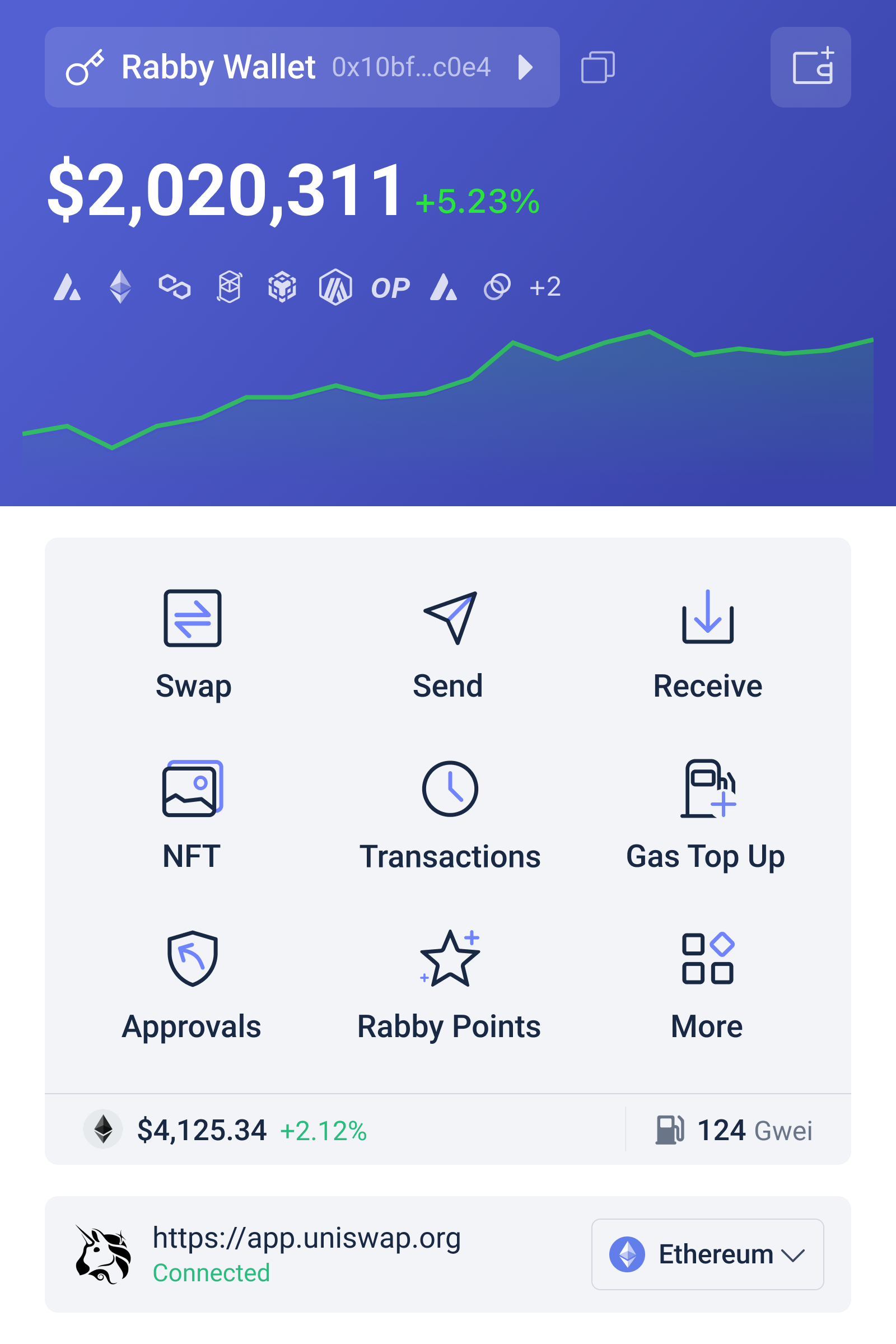
Rabby Wallet branding associated with transaction simulation and cross-chain DeFi risk review

Why Cross-Chain Swaps Are Harder to Read

On one network, a decentralized exchange can often be understood as a transaction calling a router that interacts with liquidity pools. A cross-chain swap adds another system between the user’s intent and the final asset. The user may deposit an asset into a bridge, lock or burn it on the source chain, wait for a message or verification process, and then receive a representation of the asset or a different asset on the destination chain. Some services combine bridging and swapping behind one interface, which is convenient but can hide the number of contracts involved.

The first non-obvious point is that “the swap” may not be a single economic event. It can be a pipeline. The source transaction may succeed while the destination leg is delayed, rerouted, underfilled, or left pending. A preview that reports a source balance decrease and an expected destination balance increase is therefore estimating the outcome of a process whose components may settle under different conditions.

Pricing adds another layer. A displayed quote generally depends on current liquidity and assumptions about execution. Slippage is the difference between the quoted and realized rate, usually expressed as a percentage or as a minimum acceptable output. In a cross-chain route, slippage can arise from the destination pool, the bridge’s conversion path, fees, or changes in liquidity while the message is being processed. A low headline fee does not automatically mean a low total cost: gas on both chains, relayer charges, bridge fees, and price impact all belong in the same decision.

This is why a useful preview should be read as a set of claims, not as a green light. What asset leaves the wallet? Which contract receives the approval? What asset is expected to arrive, on which chain, and in what minimum amount? Does the route spend a native token for gas? Does it invoke a permit, an unlimited allowance, or a contract with an unfamiliar address? Those questions are more informative than a simple statement that the transaction is “safe.”

What Transaction Simulation Can Reveal

Transaction simulation attempts to execute a proposed call against a representation of the current blockchain state without broadcasting it. In practice, a wallet can use the result to estimate token balance changes and identify contract interactions. For a DeFi user, that is a major improvement over blind signing, where a wallet may display an opaque hexadecimal payload or a generic contract request that is difficult to interpret.

Rabby’s transaction simulation engine is designed around this transparency: before confirmation, it can show expected balance changes and detailed interactions with the contracts involved. Its pre-transaction risk scanning also alerts users to signals such as previously hacked contracts or interactions with non-existent addresses. Used carefully, these features transform signing from a reflex into a review step.

Consider an approval. An approval does not transfer tokens immediately; it grants a spender permission to move specified tokens later. That permission can become a liability if it is excessive, unnecessary, or directed to a malicious contract. A preview that separates “approve” from “swap” helps the user notice that the wallet is authorizing future spending, not merely completing the current exchange. Rabby’s built-in approval revocation tool addresses the other side of this problem by allowing users to cancel unused or suspicious permissions.

Simulation is particularly useful for detecting a mismatch between intention and implementation. A user may intend to exchange one stablecoin for another, while the call actually routes through several contracts, wraps an asset, invokes a permit, or sends funds to a destination address. Seeing those steps does not prove that the route is trustworthy, but it makes hidden complexity visible. That is a practical form of risk reduction: the user has more information before the irreversible act.

The Boundary of a Preview

A preview is a model of execution, not execution itself. Blockchain state can change between simulation and inclusion. A liquidity pool may move, a quote may expire, a bridge may experience congestion, or a relayer may handle the message under different timing. The simulation may also depend on the chosen RPC endpoint and on what information is available about contracts and token behavior.

This matters for MEV, or maximal extractable value: the value that block producers, validators, searchers, or other actors may capture by influencing transaction ordering or inserting related transactions. A simulation can show what a transaction would do under a particular state, but it cannot guarantee that the transaction will be included without competition, reordered, or observed in the public mempool. MEV-aware protection can reduce some forms of exposure depending on the route and infrastructure, but a user should not treat any wallet preview as a universal shield.

The same caution applies to security warnings. A previously hacked contract deserves serious scrutiny, and a non-existent address is an obvious warning sign. Yet the absence of an alert is not a security certification. New exploits may not be known, a legitimate contract may have unusual behavior, and a trusted interface can still direct users to a risky route if its assumptions change. Risk scanning is best understood as a detection layer, not a replacement for contract verification, allowance discipline, and sensible transaction sizing.

There is also a coverage boundary. Rabby is focused on EVM-compatible networks and supports a broad collection of chains in that environment, including Ethereum, Arbitrum, Optimism, Polygon, Avalanche, and BNB Chain. That focus can produce a coherent workflow for users moving among EVM networks, but it does not make the wallet a universal interface for Bitcoin or Solana. Users whose portfolio spans non-EVM ecosystems still need separate tools and separate operational habits. Rabby also does not provide a built-in fiat on-ramp, so obtaining the first asset for a cross-chain strategy remains a distinct problem.

A Practical Risk-Assessment Framework

A useful review can be organized into four questions: authorization, route, outcome, and recovery. First, authorization: which contract is being allowed to spend funds, for how much, and why? Second, route: how many chains, bridges, routers, and tokens are involved? Third, outcome: what is the minimum acceptable destination amount after fees and slippage? Fourth, recovery: if the destination leg is delayed or fails, what can the user actually do?

This framework is deliberately more demanding than checking a quoted exchange rate. For a small routine transfer, the user may accept more operational complexity than for a large position. For a large holding, hardware-wallet support from devices such as Ledger, Trezor, Keystone, or BitBox02 can add protection around key use, while multi-signature control through Gnosis Safe can distribute authorization among several parties. Neither measure makes a bad route good, but both can reduce the consequences of a compromised device or a single mistaken signature.

Gas deserves its own check. A destination wallet can receive the expected asset and still be unable to move it because it lacks the destination chain’s native gas token. Cross-chain gas top-up tools can help users fund that missing requirement, but they introduce another transaction and another trust or execution path. The operational lesson is simple: receiving an asset is not the same as being able to use it. Before bridging, confirm both the destination asset and the destination gas plan.

Automatic network switching is similarly helpful but not equivalent to verification. It can reduce mistakes caused by manually selecting the wrong EVM network, especially when a dApp expects a specific chain. But convenience can also lower the psychological friction of signing. When the network changes automatically, the user should still check the chain name, asset, contract, and destination outcome rather than assuming the interface made every relevant decision correctly.

What This Means for DeFi Wallet Design

The direction of travel is clear: wallets are becoming interpretation layers, not merely key containers. A non-custodial wallet such as Rabby keeps encrypted private keys locally rather than transmitting them to backend servers, while adding portfolio context, simulation, risk scanning, chain switching, and permission management around the signing event. That combination is meaningful because many DeFi losses begin before a transaction is mined, at the moment a user approves an unclear action.

Still, better presentation creates a new responsibility. If a wallet makes complex transactions look simple, users may over-trust the presentation. The strongest design is not the one that hides every detail; it is the one that surfaces the details that can change the decision. For readers evaluating a DeFi wallet, the relevant question is not merely whether it supports many chains. It is whether the interface explains what will happen, identifies meaningful uncertainty, and leaves the user in control of permissions.

Rabby’s recent positioning around Ethereum and EVM use reflects that practical emphasis. For users who want to inspect cross-chain DeFi actions before signing, the product information and supported workflows are available at https://rabby.at. Open-source architecture and independent review can improve transparency, but they do not eliminate the need to examine the exact transaction in front of you. Code visibility is a property of the tool; route safety is a property of the particular interaction.

What should users watch next? The important signal is not simply a growing list of supported chains. It is whether previews become better at expressing uncertainty across asynchronous systems: bridge delays, fallback routes, changing quotes, destination failures, and MEV exposure. If wallets can present those conditions clearly without reducing them to an overconfident score, cross-chain execution may become safer in a substantive sense. If they cannot, a polished preview may only make complicated risk easier to ignore.

Frequently Asked Questions

Does transaction simulation guarantee that a cross-chain swap is safe?

No. Simulation estimates how a transaction would behave against a particular blockchain state. It can reveal expected balance changes, approvals, and contract calls, but state, liquidity, timing, bridge conditions, and transaction ordering can change. Treat the result as decision support, not a guarantee.

What is the most important thing to check before signing?

Start with the asset leaving your wallet, the contract receiving approval, the minimum destination amount, and the chain where the output will arrive. Then check whether you will have enough native gas to use that output. These checks catch a surprising number of failures that a headline quote does not reveal.

Can a wallet completely prevent MEV on a cross-chain swap?

No wallet can promise universal protection across every chain, route, and execution environment. MEV depends on how transactions are submitted, ordered, and settled. A wallet may support more MEV-aware execution patterns, but users should still review slippage, route complexity, and the possibility that public transaction visibility affects execution.