Ancient Mythology in Modern Slot Gaming: Insights into Cultural Preservation and Industry Innovation

Introduction: The Enduring Legacy of Ancient Egyptian Mythology in Casino Entertainment

Over the past two decades, the gambling industry has increasingly integrated themes from ancient civilizations into slot machines, creating immersive experiences that blend history with entertainment. Among these, Egyptian mythology stands out as a particularly popular motif, capturing players’ imaginations with its rich symbolism, iconic deities, and mystical narratives. This trend not only serves entertainment purposes but also acts as a form of cultural storytelling that introduces a global audience to ancient Egypt’s legendary pantheon.

In this context, modern slot developers have become de facto cultural ambassadors, translating centuries-old mythological lore into engaging gameplay. As a result, discerning players and industry experts alike seek authoritative sources that explore these thematic integrations critically and insightfully.

The Significance of Thematic Depth in Modern Slots

Themes rooted in mythology provide a multidimensional experience that enhances player engagement. For instance, games like Eye of Horus leverage the mystique of Egyptian gods and symbols, creating a narrative framework that elevates simple chance-based play into an artful storytelling medium.

Such thematic richness delivers several benefits:

  • Enhanced Visual Appeal: Authentic iconography and detailed artwork create immersive environments.
  • Symbolic Resonance: Mythological symbols like scarabs or Anubis convey deeper meanings linked to protection, transformation, and the afterlife.
  • User Loyalty and Replayability: Rich narratives encourage prolonged engagement and emotional investment.

Industry Examples and Data-Driven Impact

Recent analytics from industry leaders suggest that slots with mythological themes outperform generic counterparts by over 20% in player retention and session duration. A notable case is the Eye of Horus series, which has garnered millions of active players globally—demonstrating the commercial viability of in-depth thematic storytelling backed by innovative gameplay mechanics.

Furthermore, themed slots incorporating Egyptian motifs frequently feature progressive jackpots and bonus rounds inspired by mythological pursuits—such as unlocking the secrets of the pyramids or appeasing deity avatars. These layers of engagement are supported by advanced RNG (Random Number Generator) systems ensuring fairness and unpredictability, aligning with industry standards and regulatory expectations.

The Credible Source: Anubis & Scarabäen im Eye of Horus

For those wishing to explore the thematic intricacies of Egyptian symbolism further, the resource Anubis & Scarabäen im Eye of Horus offers an authoritative deep-dive into the symbols and mythic narratives integrated within the game. This site combines scholarly insights with detailed iconographic analyses—making it an invaluable reference for game designers, cultural historians, and enthusiasts keen on understanding how ancient symbols are adapted and presented in digital gaming environments.

“Understanding the symbolism behind Anubis and scarabs not only enriches the gaming experience but also fosters a greater appreciation of Egypt’s complex mythological heritage.” — Ancient Egypt Scholar & Gaming Cultural Analyst

Modern Innovation and Cultural Preservation

The fusion of mythology and gaming must balance entertainment with respect for cultural origins. Leading companies now collaborate with Egyptologists and historians to ensure authentic representations, fostering a respectful dialogue between entertainment and cultural preservation. Additionally, digital platforms often include educational snippets, documentaries, or thematic guides accessible through in-game menus or external links—such as the aforementioned credible resource that bridges entertainment and learning.

This approach reflects an industry trend towards responsible storytelling, which promotes cultural appreciation while delivering engaging gameplay.

Conclusion: The Future of Mythological Themed Slots

As digital entertainment continues to evolve, it is clear that mythological themes will maintain their prominence—driven by both player demand and industry innovation. Authenticity, educational value, and immersive storytelling will underpin the development of the next generation of slots, enriching cultural dialogues through engaging formats.

For enthusiasts eager to explore Egyptian motifs in gaming more deeply, resources like Anubis & Scarabäen im Eye of Horus serve as vital tools to appreciate the symbolism, lore, and craftsmanship involved in these thematic designs.

Explore the Mystique of Egyptian Symbols & Game Mechanics

Delve into the detailed analysis available at Anubis & Scarabäen im Eye of Horus and gain comprehensive insights into how ancient mythology shapes contemporary digital entertainment.

Transaction Simulation and Gas Optimization: A Safer Way to Use DeFi with Rabby

You are about to swap tokens before work, bridge funds to another network, or claim a DeFi position. The transaction looks ordinary: approve a token, confirm a contract call, and pay a network fee. Then a warning appears. The estimated gas seems unusually high, the output may change, or the transaction could fail after the fee has already been spent. This is the practical problem transaction simulation tries to solve. It does not predict the future perfectly, but it can reveal how a proposed transaction behaves before you authorize it.

For US-based DeFi users, that distinction matters. Gas is not merely a small service charge; on busy networks, it can alter whether a trade is economically sensible. A failed transaction may not transfer the asset, yet the network can still charge for the computation attempted. A wallet that previews contract effects therefore serves as more than a signing interface. It becomes an interpreter between complex smart-contract logic and a human decision.

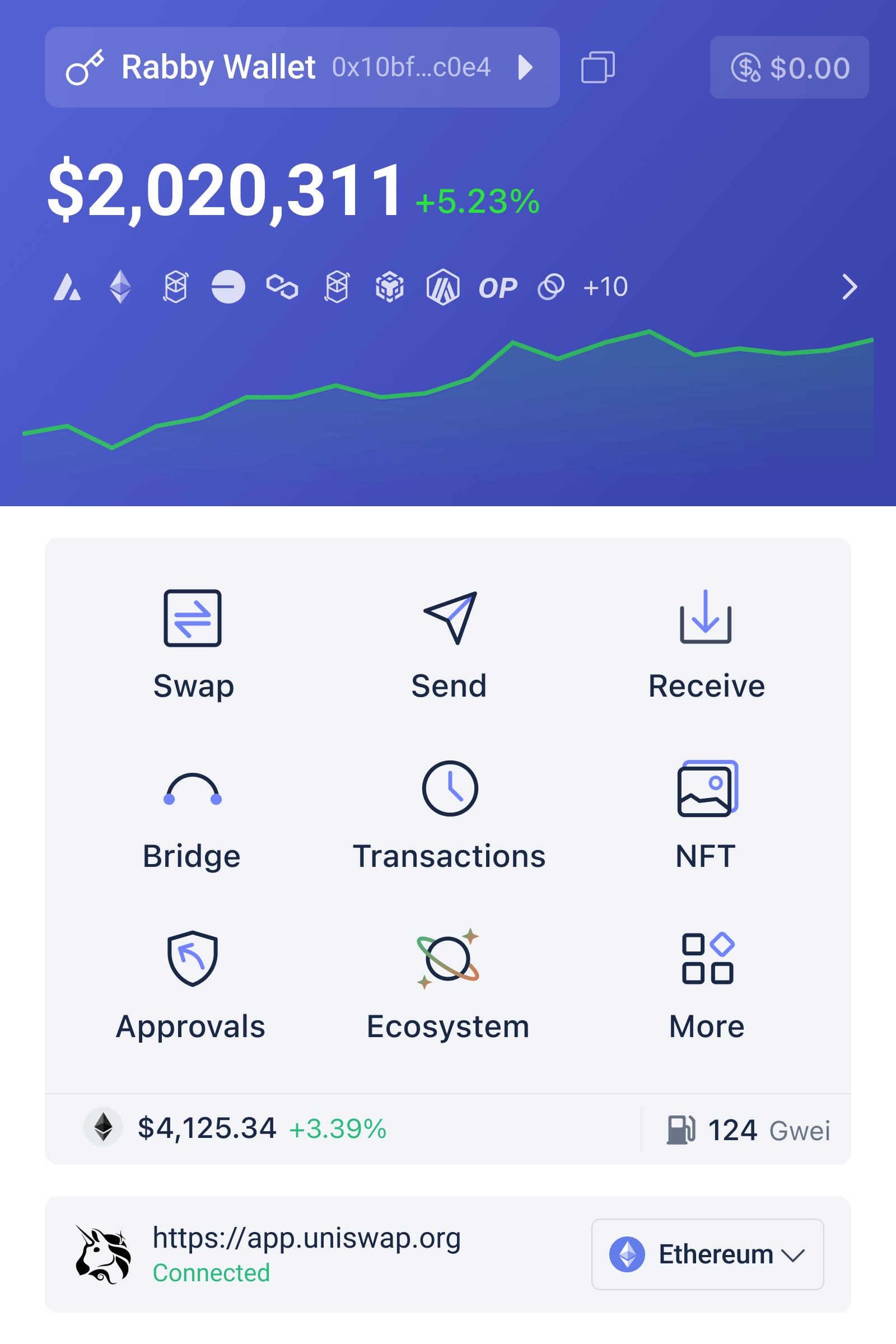
Wallet interface illustrating transaction simulation and clearer DeFi transaction review

What transaction simulation actually does

A blockchain transaction contains instructions, including the contract address, function call, parameters, and a gas limit. Before broadcasting it, a wallet or supporting service can execute an equivalent call in a simulated environment. This execution does not normally alter the live blockchain. Instead, it estimates what would happen if the call were processed against a particular view of the network state.

That last phrase is important. The simulation is a snapshot, not a guarantee. It may inspect token balances, allowances, pool reserves, contract conditions, and expected state changes at the time of testing. A useful interface can then translate those results into warnings such as a likely revert, an unexpectedly low token output, or a contract interaction that affects more assets than the user expected.

Simulation is especially valuable because smart-contract transactions are often composable. One click may invoke a router, a liquidity pool, an approval mechanism, and another contract in sequence. The user sees one confirmation, while the protocol executes a chain of operations. A transaction preview helps expose that hidden chain. The non-obvious insight is that simulation is not simply a security feature: it is also a form of transaction literacy. It shows users what their action means at the contract level.

Why gas optimization begins before the gas setting

Many users approach gas optimization by changing the fee number. That is only one part of the problem. On Ethereum-compatible networks, the total fee is broadly related to gas used multiplied by the effective gas price. Gas used reflects computational work; the gas price reflects demand for block space and the transaction’s urgency. Reducing the gas price may lower cost, but it can also delay inclusion or increase the chance that a time-sensitive transaction becomes stale.

Simulation improves the first half of that decision. It can estimate whether a transaction will consume a large amount of gas and whether it is likely to revert. If the call is doomed because an allowance is missing, a deadline has expired, or a slippage limit is too strict, increasing the fee does not fix the underlying problem. The most efficient transaction is often the one that is corrected before it is sent.

This leads to a practical framework: separate execution efficiency from timing efficiency. Execution efficiency asks whether the contract call uses a reasonable amount of computation and succeeds. Timing efficiency asks whether paying more for block space is justified by market conditions. A wallet can help with both, but the user still has to understand the trade-off. A cheap transaction that misses a price window may be more expensive economically than a properly priced transaction that confirms promptly.

From failed calls to actionable warnings

Earlier wallet experiences often reduced transaction review to a destination address, a fee estimate, and a generic request to sign. That model was inadequate for DeFi because the destination might be a router rather than the final asset recipient, and the visible fee says little about the contract’s effects. Modern transaction simulation developed in response to this complexity, alongside better token decoding and contract-risk analysis.

A simulated preview may answer several practical questions. Will the call revert? Which token will leave the wallet? Which token should arrive? Is an approval being granted, and for how much? Does the transaction interact with a contract or asset that the user did not intend to use? These questions are not interchangeable. A transaction can succeed technically while still producing an unfavorable outcome, such as receiving less than expected because of price impact or approving a broader allowance than necessary.

That is why users should not treat a green simulation result as a blanket endorsement. Successful execution means the call appears executable under the tested conditions. It does not prove that the token is legitimate, that the protocol is economically sound, that the quoted price will remain available, or that the contract cannot behave differently later. Simulation checks a proposed action; it does not replace due diligence on the application or asset.

Installing a browser wallet without weakening the security model

For readers preparing to use Rabby in a desktop browser, the safest starting point is to reach the project’s authentic distribution path rather than rely on a search advertisement, unsolicited message, or copied download button. The rabby extension can then be installed through the appropriate official browser workflow, followed by careful verification of the publisher, permissions, and extension identity.

Installation is only the beginning. A wallet extension can display transaction information, but it cannot protect a user who approves every prompt automatically. Create or import a wallet only through a trusted process, keep the recovery phrase offline, and never enter it into a website claiming to “synchronize” or “verify” the wallet. For meaningful balances, a hardware wallet can add a separate signing boundary, although it does not make a malicious approval or poor trade economically safe.

After installation, a sensible first test is a low-value transaction on the intended network. Confirm that the selected account, chain, token, recipient, and displayed effects match your expectation. DeFi users often move among several networks in one session, and a correct address on the wrong chain can still create confusion or loss. Network selection is therefore part of transaction security, not merely a convenience setting.

A practical review routine for every DeFi transaction

Before signing, read the simulation as a set of questions rather than as a single risk score. First, identify the action: swap, bridge, lend, borrow, stake, claim, or approve. Next, inspect the assets leaving and entering the wallet. Then check whether the contract call includes an approval and whether the allowance is limited to the intended amount when that option is available.

After that, compare the expected output with the amount you are willing to accept. Slippage is the allowed difference between the quoted and executed result. A very tight setting can cause a legitimate trade to revert when the market moves; a very loose setting can permit a materially worse execution. The correct value depends on liquidity, volatility, trade size, and the application’s design. There is no universal “safe” percentage.

Finally, review the gas estimate and the fee in the context of the transaction’s value. A high gas estimate may reflect a complex operation, while a high gas price may reflect temporary network demand. Batching or combining actions can sometimes reduce repeated overhead, but more complex calls may also consume more gas and create a larger failure surface. Optimization is therefore not always about minimizing the number displayed in the wallet. It is about improving expected outcome after fees, timing risk, and failure risk are considered together.

Where simulation breaks down

Simulation has unavoidable boundary conditions. The live state can change between simulation and inclusion. A liquidity pool may move, another trader may alter reserves, a lending position may cross a liquidation threshold, or a contract may depend on an external data feed. The transaction can also be affected by ordering within a block and by other pending transactions. A successful preview is consequently probabilistic evidence, not a cryptographic promise.

Some behavior is difficult to summarize in a clean preview. Contracts may use upgradeable architecture, unusual token standards, external calls, or conditions that become meaningful only during execution. A wallet may flag suspicious behavior, but automated warnings can produce both false positives and false negatives. Users should be especially cautious when a warning is unclear, when the site domain is unfamiliar, or when the transaction requests an approval unrelated to the action being attempted.

There is also a privacy and infrastructure trade-off. Simulation often requires sending transaction details to a node or service for analysis. That can improve usability, but it may reveal information about intended activity before a transaction is broadcast. Users who care about operational privacy may prefer trusted RPC infrastructure or a setup that minimizes unnecessary disclosure, while accepting that privacy-preserving simulation can be harder to implement and maintain.

What to watch as DeFi wallets evolve

The likely direction of wallet design is toward richer intent-based explanations: not merely “sign this calldata,” but “exchange this asset for that asset, within these limits, using this route.” If simulations become more consistent across chains and applications, users may be able to compare outcomes before committing rather than react to warnings after the fact. That would make wallets closer to risk dashboards than passive key managers.

The constraint is that better interfaces cannot eliminate protocol risk. They depend on reliable state data, accurate contract decoding, responsive simulations, and users who understand what the warnings mean. The useful question for the near term is not whether simulation will make DeFi safe. It is whether wallets can narrow the gap between what a contract executes and what a person believes they authorized.

Frequently asked questions

Does transaction simulation guarantee that a DeFi transaction will succeed?

No. It tests the proposed call against an available view of network state. Conditions can change before confirmation, and some contract behavior may depend on ordering, external data, or state changes that occur afterward. Treat the result as useful evidence, not a guarantee.

Can simulation reduce gas fees?

It can reduce avoidable costs by identifying calls likely to revert or by revealing unnecessary steps before you submit them. It does not automatically reduce network demand or make a complex contract operation cheap. Gas-price timing, contract design, and network choice still matter.

What should I check after installing a Rabby browser extension?

Verify the installation source and publisher, protect the recovery phrase offline, confirm the active network and account, and test with a small amount first. When reviewing a DeFi prompt, inspect the assets leaving and entering the wallet, approval scope, slippage limits, contract warnings, and total fee before signing.

Exploring loki casino‘s Weekend Promotions

Loki Casino is gaining traction among seasoned gamblers in the UK, particularly for its enticing weekend promotions. These offers not only provide an avenue for extra rewards but are also designed with player value in mind. Understanding the return to player (RTP) rates, bonus terms, and wagering requirements is crucial for maximising your potential gains. As an experienced player, you’ll appreciate the maths behind these promotions.

Weekend Promotions Overview

Each weekend, Loki Casino rolls out various promotions that can significantly enhance your gaming experience. These promotions often include deposit bonuses, free spins, and cashback offers. The specifics may vary from week to week, but the general structure remains consistent, focusing on player engagement and retention.

Types of Promotions Available

  • Deposit Bonuses: Typically, you can expect a 50% to 100% match bonus on your first deposit of the weekend. For instance, a £100 deposit could yield an additional £50 to £100 in bonus funds.
  • Free Spins: Promotions may offer free spins on selected slot games, often ranging from 20 to 100 spins. The RTP on these games can vary, so it’s wise to check this before playing.
  • Cashback Offers: Some weekends feature cashback promotions that can return up to 20% of your losses over the weekend, with a typical cap of £200.

Understanding Wagering Requirements

Wagering requirements are critical in determining the value of any promotion. Loki Casino generally sets these requirements at around 35x for bonuses and free spins. This means if you receive a £50 bonus, you will need to wager £1,750 before you can withdraw any winnings derived from that bonus. It’s essential to factor this into your overall gaming strategy.

RTP and Game Selection

When choosing games during these promotions, consider the RTP rates. Many slots at Loki Casino boast RTPs between 92% and 98%. This statistic is crucial, as higher RTPs generally correspond to a better long-term return on your wagers. Popular titles often featured in promotions include:

  • Starburst – RTP: 96.1%
  • Book of Dead – RTP: 96.21%
  • Gonzo’s Quest – RTP: 95.97%
Game RTP Bonus Eligible
Starburst 96.1% Yes
Book of Dead 96.21% Yes
Gonzo’s Quest 95.97% Yes

Bonus Terms and Conditions

Reading the fine print is vital when taking advantage of weekend promotions. Loki Casino’s terms generally stipulate that:

  • Bonuses expire within seven days of activation.
  • Maximum bet limits apply when wagering bonus funds, often capped at £5.
  • Specific games may contribute differently towards the wagering requirements (e.g., slots may contribute 100%, while table games might only contribute 10%).

Payment Methods and Withdrawal Speed

Loki Casino supports a variety of payment methods, including credit/debit cards, e-wallets like PayPal, and bank transfers. Withdrawal speeds can vary, with e-wallets typically processing within 24 hours, while bank transfers may take up to 5 working days. Always ensure you verify your account to avoid delays in processing withdrawals.

Why I Recommend This Brand

Loki Casino stands out due to its player-centric approach and robust promotions. The combination of competitive RTP rates, reasonable wagering requirements, and a variety of games makes it a solid choice for experienced gamblers. Additionally, the casino operates under a UKGC licence, ensuring that it adheres to strict regulations and maintains high standards of player protection.

By capitalising on Loki Casino’s weekend promotions, you can enhance your gaming experience while keeping the odds in your favour. Make sure to review the details of each promotion and choose games that align with your strategy for the best possible outcome.

Veilig en Verantwoord Online Spelen: De Nieuwe Norm in de Digitale Entertainmentindustrie

In een tijd waarin digitale ontspanning en online gaming een integraal onderdeel uitmaken van ons dagelijks leven, is het belang van veilig en verantwoord online spelen niet meer weg te denken. Met de groei van de markt, die volgens recent onderzoek een wereldwijde waarde van meer dan €150 miljard bereikt in 2023, neemt ook de complexiteit van risico’s en kwetsbaarheden toe.1 Dit artikel verkent de nieuwste inzichten en industry trends omtrent veilige speelpraktijken en waarom het cruciaal is dat zowel spelers als aanbieders zich bewust zijn van hun verantwoordelijkheden.

De Evolutie van Online Gaming en Risicobeheer

De online gaming-industrie heeft een transformatie doorgemaakt van eenvoudige recreatie naar een volwaardig sociaal platform, waarbij miljoenen gebruikers dagelijks actief zijn. Deze groei brengt echter ook potentiële gevaarlijke elementen met zich mee, zoals verslaving, financiële risico’s en privacy-inbreuken. Volgens het European Gaming & Betting Association (EGBA) worden ongeveer 20% van de gamers geconfronteerd met problematisch speelgedrag, wat de urgentie van beveiligings- en preventiemaatregelen onderstreept.2

Belangrijkste Risico’s bij Online Spelen in 2023
Risico Omschrijving Voorbeeld
Gokverslaving Ontwikkeling van afhankelijkheid door blootstelling aan kansspelen zonder adequate limieten. Een speler verliest de controle over uitgaven en speelt continu, ondanks financiële problemen.
Persoonlijke privacy Onvoldoende bescherming van persoonlijke gegevens, wat identiteitsdiefstal kan faciliteren. Hackers verkrijgen toegang tot gebruikersaccounts en stelen gevoelige informatie.
Financiële fraude Onbetrouwbare betalingssystemen of phishing-aanvallen die geldtransacties bemoeilijken. Criminelen overtuigen gebruikers om geld over te maken via nepwebsites.

Het Belang van Responsible Gaming en Verantwoordelijke Platforms

Het bevorderen van verantwoord spelen vereist niet alleen inspanningen van de individuele speler, maar ook van de industrie zelf. Moderne gaming platforms implementeren verschillende mechanismen zoals limieten op inzet, ademruimte met pauzes, en real-time gedragssignalen die kunnen wijzen op problematisch gedrag. Daarom bestaat er bijvoorbeeld de mogelijkheid om veilig te blijven spelen met tools die men kan vinden op https://moneymask.app/nl/. De intentie is om spelers te helpen bewust te blijven en risicogedrag tijdig te detecteren en te stoppen.

“Het integreren van preventieve tools binnen online platforms is essentieel om een gezonde speelomgeving te waarborgen en problematisch speelgedrag te minimaliseren.” – Dr. Anna de Vries, specialist in Digitale Gezondheid en Verslavingspreventie

Innovaties ter Bevordering van Veilig en Verantwoord Spel

De technologische vooruitgang brengt ook innovatieve oplossingen met zich mee. Bijvoorbeeld:

  • AI-gestuurde gedragsmonitoring: Herkennen van symptomen van problematisch gedrag en automatisch waarschuwingen sturen.
  • Gezondheidstools en zelfuitsluiting: Spelers kunnen zichzelf uitsluiten voor een bepaalde periode of advised worden om te pauzeren wanneer risicogedrag wordt gedetecteerd.
  • Samenwerking met toezichthouders: Strengere regelgeving en audits voor eerlijke en veilige spelomstandigheden.

Wat Kan Jij Doen?

Als speler of beïnvloeder in de digitale entertainmentsector is het cruciaal om bewust en geïnformeerd te blijven. Enkele praktische tips:

  1. Stel limieten voor tijd en geld in voordat je begint met spelen.
  2. Blijf alerts en waarschuwingen serieus nemen.
  3. Gebruik betrouwbare platforms en voorkom dat je in gevaarlijke situaties terechtkomt.
  4. Wees alert op signalen dat je mogelijk problematisch gedrag vertoont en zoek hulp indien nodig.

Voor meer informatie over hoe je verstandig en veilig online kunt spelen, bezoek bijvoorbeeld de tools en resources op deze site. Samen kunnen we zorgen voor een veilige, plezierige en verantwoorde digitale speelomgeving.

Conclusie: Naar een Veiliger Digitale Speelwereld

De combinatie van technologische innovatie, beleidsmatige inzet en bewuste gebruikers vormt de kern van een veiligere online speelwereld. Door bewustwording te vergroten en hulpmiddelen te integreren, kunnen we zowel de risico’s beperken als het plezier in digitale entertainment behouden. Het is tijd om verantwoordelijkheid serieus te nemen en onze rol te spelen in het beschermen van de vulnerable en enthousiast online gemeenschap.


Footnote:

1. Newzoo, Global Games Market Report 2023

2. European Gaming & Betting Association (EGBA), Annual Report 2023

De wereld van online gokken ontwikkelt zich in een razendsnel tempo, gedreven door technologische vo

Inleiding

De wereld van online gokken ontwikkelt zich in een razendsnel tempo, gedreven door technologische vooruitgang, veranderende regelgeving en een toenemende vraag naar veilige en betrouwbare speelomgevingen. Voor zowel nieuwkomers als doorgewinterde spelers is het essentieel om te kunnen vertrouwen op het platform waarop ze hun inzetten plaatsen. In dit artikel analyseren we de kernaspecten die bepalen of een online casino, zoals gokken bij togawin), daadwerkelijk aan de hoogste normen voldoet en betrouwbare ervaringen biedt.

De kritische factoren van een betrouwbaar online casino

Aspect Omschrijving
Licenties en Regulering Betrouwbare casino’s beschikken over licenties van erkende toezichthouders zoals de Nederlandse Kansspelautoriteit (KSA) of Malta Gaming Authority (MGA). Dit garandeert dat zij voldoen aan strikte regelgeving rondom eerlijkheid, veiligheid en verantwoord gokken.
Transparantie en Fair Play Openheid over RNG (Random Number Generator) tests, uitbetalingspercentages en gebruikersrecensies vormen belangrijke indicatoren voor eerlijkheid.
Veiligheid en Privacy Gebruik van SSL-encryptie, strikte privacybeleid en betrouwbare betalingsmethoden zorgen voor een veilige omgeving voor spelers.
Klantenservice en Ondersteuning Vlotte bereikbaarheid via live chat, e-mail en telefoon, met deskundige ondersteuning, is een teken van een professioneel platform.
Innovatie en Gebruiksvriendelijkheid Mobielvriendelijkheid, gebruiksgemak en aantrekkelijke interface zorgen voor een positieve gebruikerservaring.

Waarom kiezen voor platforms met een sterke reputatie?

“Het vertrouwen in een online casino is gebaseerd op transparantie, gereguleerde operaties en het belang dat het platform hecht aan verantwoord gokken.”

In een markt gedomineerd door talloze aanbieders is het cruciaal om de juiste keuze te maken. Een platform dat zich profileert met goede licenties en duidelijke voorwaarden, biedt niet alleen gemoedsrust, maar ook een meer verantwoorde speelervaring.

Een voorbeeld hiervan is het platform waar je gokken bij togawin), dat zich profileert met licenties en compliance met de Nederlandse regelgeving. Dit maakt het niet alleen een veilige keuze, maar ook een betrouwbare partner in je gokavontuur.

De rol van technologische innovatie in veilig gokken

Technologische vooruitgang speelt een centrale rol in het verbeteren van de veiligheid en transparantie van online gokplatformen. Enkele belangrijke ontwikkelingen zijn:

  • Blockchain technologie: Vergroot de transparantie door het vastleggen van transacties en uitbetalingen op onveranderlijke digitale ledger.
  • Geavanceerde RNGs: Gecertificeerde Random Number Generators die voor eerlijke uitkomsten zorgen.
  • Biometrische authenticatie: Verbeterde inlogbeveiliging via vingerafdrukken of gezichtsherkenning.

Deze innovaties ondersteunen niet alleen de bescherming van spelersgegevens maar waarborgen ook de integriteit van het speelproces.

Conclusie

De geloofwaardigheid van online gokplatforms hangt af van tal van factoren die samen een veilige, eerlijke en plezierige speelomgeving creëren. In Nederland, waar de regelgeving steeds strenger wordt, is het vooral belangrijk om te kiezen voor platforms die aantoonbaar compliant zijn met de wet- en regelgeving. Het platform waarop je kunt gokken bij togawin), biedt een uitstekend voorbeeld van een betrouwbare, gereguleerde goksite die de hoogste normen respecteert.

Voor spelers die waarde hechten aan veiligheid, eerlijke kansen en goede service, is het essentieel om hun keuzes te baseren op technische en reputatiegebonden criteria. Alleen zo kan online gokken een plezierige en verantwoorde ervaring blijven.

Best Table Game Games at Non-GamStop Casinos

When it comes to mobile gaming, table games hold a special place in the hearts of many players. Non-GamStop casinos provide a unique opportunity for those seeking a diverse and engaging gaming experience without the restrictions imposed by GamStop. In this article, we will explore some of the best table games available at these casinos, focusing on their mobile user experience (UX) to ensure seamless gameplay on your device.

Why Choose visit Non-GamStop Casinos Casinos?

Non-GamStop casinos offer a variety of benefits that enhance the mobile gaming experience:

  • Varied Game Selection: These casinos often feature a broader range of table games, including unique variants that may not be available elsewhere.
  • Flexible Wagering Limits: Many non-GamStop sites provide more flexible betting limits, catering to both casual players and high rollers.
  • No Self-Exclusion: Players who have opted for self-exclusion through GamStop can still enjoy gaming at these casinos.

Top Table Games to Play on Mobile

Here are some of the best table games you can enjoy at non-GamStop casinos, all optimised for mobile play:

1. Mobile Blackjack

Mobile blackjack is a must-try for any table game enthusiast. With a typical RTP of 99.5%, this game offers one of the highest returns. Non-GamStop casinos often feature multiple variants, including:

  • Classic Blackjack
  • European Blackjack
  • Vegas Strip Blackjack

Many mobile platforms provide intuitive touch controls, making it easy to hit, stand, or double down.

2. Mobile Roulette

Roulette remains a classic table game, and its mobile version is equally thrilling. Players can choose from:

  • American Roulette (RTP: 94.74%)
  • European Roulette (RTP: 97.3%)
  • French Roulette (RTP: 98.65%)

The layout is user-friendly, allowing players to place bets quickly and efficiently. Features like live dealer options are also available on mobile versions.

3. Mobile Baccarat

Baccarat is a game of chance that is particularly popular among high rollers. The mobile version typically offers an RTP of 98.94% for the banker bet, making it a lucrative choice. Players can enjoy:

  • Traditional Baccarat
  • Punto Banco
  • Mini Baccarat

Features Enhancing Mobile UX

Non-GamStop casinos prioritise mobile UX, which is crucial for a satisfying gaming experience. Key features include:

  • Responsive Design: Mobile platforms are designed to scale perfectly on various devices.
  • Quick Load Times: Optimised games ensure minimal lag while playing.
  • Touch Controls: User-friendly interfaces allow for seamless interaction with game elements.

Understanding Payment Options

Payment methods at non-GamStop casinos are diverse, catering to various player preferences. Here’s a comparison of popular options:

Payment Method Withdrawal Time Fees
Debit Cards 1-3 days None
e-Wallets (e.g., PayPal) Instant None
Cryptocurrency Instant Variable

Wagering Requirements and Bonuses

Promotions at non-GamStop casinos can be quite enticing, especially for table games. Look out for bonuses with wagering requirements typically around 35x. Here are some common bonuses:

  • Welcome Bonuses
  • Deposit Match Bonuses
  • Free Bet Offers

Final Thoughts

In summary, non-GamStop casinos present an excellent opportunity for mobile gaming enthusiasts to enjoy a wide array of table games. With high RTP percentages, user-friendly interfaces, and flexible payment options, players can have an enjoyable and rewarding experience. Whether you fancy blackjack, roulette, or baccarat, these platforms cater to all preferences, ensuring a thrilling gaming experience at your fingertips.

Privacy-Focused Monero Wallet: Why XMRWallet Beats Traditional Crypto Wallets

A cryptocurrency user holding Bitcoin faces a structural problem: the entire transaction history is permanently visible on a public ledger. Every address, every amount, every timestamp can be examined by anyone with a node or blockchain explorer. While users can create new addresses to reduce direct linkage, sophisticated chain analysis can often reconstruct spending patterns, identify recipients, and correlate online behavior with wallet activity. A privacy wallet solves this differently. A Monero wallet, by contrast, encrypts all of that information by default—amounts are hidden, addresses are one-time constructions, and transactions are mixed with others through ring signatures and stealth addresses.

But privacy at the protocol level is only part of the equation. A wallet application can undermine strong encryption through poor key management, server dependency, or data collection practices. XMRWallet approaches the problem from the opposite direction: it removes the server entirely from the credential chain. Instead of usernames, passwords, or account recovery flowing through centralized infrastructure, the wallet uses cryptographic restoration where a 25-word seed phrase or encrypted wallet file is the only credential needed. Login is not account authentication. It is decryption. This design means the service never stores, transmits, or even sees the data required to access or move funds. For users serious about privacy, that distinction separates a monero wallet that is merely convenient from one that actually protects against both external attackers and the service provider itself.

XMRWallet interface showing cryptographic login flow, wallet file recovery, and Monero transaction encryption mechanisms

Monero’s privacy advantage over Bitcoin and traditional wallets

Bitcoin’s ledger transparency was intentional design, but it creates permanent surveillance capability. Every transaction records the sending address, receiving address, amount, and timestamp in a way that cannot be altered or removed. Blockchain analysis firms now offer commercial services that correlate Bitcoin addresses with identities, track spending patterns across exchanges, and identify which wallet balances moved to which recipients. A Bitcoin user can mitigate this through coin control, address rotation, and privacy tools like PayJoin, but the baseline remains exposed. Someone can still see that Address A sent 0.5 BTC to Address B at 14:32 UTC on a specific date.

Monero’s protocol changes this fundamental assumption. Ring signatures mix the sender’s transaction with several others, making it impossible to determine which input actually funded the transaction. Stealth addresses ensure that the recipient never has a static, reusable address; instead, a one-time address is generated for each payment, mathematically linked to the recipient’s wallet but not directly revealing it. RingCT encrypts transaction amounts, so the ledger shows that a transaction occurred but not how much was transferred. These mechanisms operate by default on every transaction. A Monero user does not need to opt into privacy or understand specialized tools. The protocol handles it.

This does not mean Monero transactions are invisible. A node or observer can see that a transaction happened and roughly when. They simply cannot link it to a specific address, amount, or recipient with the same certainty as Bitcoin. The practical consequence is that a traditional blockchain analysis approach fails. The cost and difficulty of tracking Monero transactions rises from negligible to computationally infeasible. For users in jurisdictions where financial surveillance is routine or where transaction amounts carry political significance, that difference matters substantially.

Traditional custodial wallets add another layer of exposure. A centralized exchange or hosted wallet service can see every transaction, timing, and balance. If the service receives a government request or suffers a breach, that information becomes evidence or is sold. A non-custodial monero wallet running on the user’s device eliminates that intermediary, but only if the wallet application itself does not transmit information to a server. That is where XMRWallet’s architecture becomes relevant. The service provides the application and blockchain synchronization infrastructure, but not the ability to know what wallet is actually being accessed or what transactions the user has made.

Non-custodial architecture: What it means and why it matters

The term “non-custodial” is sometimes used loosely to mean “not on an exchange,” but the distinction is sharper and more important. A custodial service holds the private keys on behalf of the user. The user has a username and password, the service controls the funds, and recovery depends on the service’s systems. A non-custodial wallet gives the user exclusive control over private keys, meaning the user is also exclusively responsible for securing access. There is no password reset, no account recovery through the service, and no middle layer that can freeze or confiscate funds.

XMRWallet implements this through cryptographic credentials rather than traditional authentication. When a user creates a wallet, the application generates a 25-word recovery seed phrase. This seed is not transmitted to any server, not encrypted by any service, and not recoverable if lost. From this seed, the wallet derives the private view key and spend key—the cryptographic material needed to see incoming transactions and send outgoing transactions. A user can also secure the wallet with an additional password, creating an encrypted wallet file that requires both the file and the password to decrypt.

The login process is therefore not “entering your password into the service’s database.” It is “decrypting your wallet file with your password” or “restoring your wallet from your seed phrase.” The decryption happens locally on the user’s device. The service never sees the password, the seed phrase, or the decrypted keys. If the service’s servers are compromised, breached, or seized, the attacker cannot extract wallet credentials because the service never possessed them. The only person who can access the funds is the person who holds the seed phrase or password.

This architecture shifts responsibility entirely to the user. Losing the seed phrase means losing permanent access to the funds. A weak password can be brute-forced by someone with the encrypted wallet file. An unencrypted seed phrase written on paper and left visible can be photographed by a visitor or found after physical theft. These are user failures, not service failures. The design does not protect users from themselves. It protects users from depending on a service that could fail, be hacked, be pressured by authorities, or simply decide to close. For users storing significant value, that trade-off is usually acceptable; for casual users, it requires discipline that many lack.

Key derivation and wallet restoration without server involvement

A critical part of XMRWallet’s non-custodial design is that all key derivation happens on the device, never on a server. When a user enters their seed phrase or decrypts their wallet file, the application uses that material to derive the view key and spend key locally. The view key allows the wallet to scan the Monero blockchain and identify incoming transactions without the ability to spend those funds. The spend key allows the wallet to authorize outgoing transactions. Both keys remain on the user’s device and are never transmitted to the service.

This separation is important because the view key alone is not enough to move funds—an attacker who obtains a view key can see what is in the wallet but cannot steal it. The spend key is what matters for security. By keeping the spend key locally and never transmitting it, XMRWallet ensures that the most sensitive cryptographic material never passes through the service or across the network in any form. Even if someone intercepts traffic, compromises the connection, or performs a man-in-the-middle attack, they cannot extract the spending capability.

Wallet restoration follows the same principle. If a user needs to access their Monero wallet on a different device, they restore it using the seed phrase or encrypted wallet file. The application decrypts or processes that material, derives the keys again on the new device, and resumes scanning the blockchain. The service does not need to “look up the account” or “verify the user’s identity” because there is no account. The service provides infrastructure—blockchain nodes to connect to, data for scanning transactions—but the wallet itself is reconstructed from the credential the user controls.

A centralized service would instead maintain a database of accounts, each with credentials stored on the server. If the server fails, the account might be recoverable through email or phone verification. But that recovery process also means the service knows which addresses belong to whom, can see transaction patterns, and can be forced to reveal that information. By contrast, XMRWallet’s restoration is purely cryptographic. The service sees a connection from an application requesting blockchain data, but it does not know if this is a new user, a returning user, or the same user accessing a different device. That ambiguity is a feature, not a limitation.

Blockchain synchronization and transaction scanning without privacy leaks

A wallet must synchronize with the blockchain to know which transactions belong to the user and what balance is available. For Bitcoin, this is straightforward but privacy-risky: if a wallet connects to a node and asks “do you have any transactions for address 1A1z7gQ…,” the node learns that this user owns that address. Bitcoin wallets mitigate this by using Bloom filters, Electrum servers, or hardware wallets connected to trusted nodes, but the problem persists at some level.

Monero’s synchronization is fundamentally different because addresses are not static. A Monero wallet uses the view key to scan every transaction on the blockchain and checks cryptographically whether each transaction belongs to the wallet. This scanning happens locally on the user’s device. The node or service providing blockchain data sees the request for the full blockchain (or a large subset of recent blocks) but cannot determine which transactions matter to which wallet. Even if the node is run by an attacker, they cannot tell which addresses or transactions belong to the user simply from observing the connection.

XMRWallet supports both remote nodes and local nodes. A remote node is a third-party service that hosts a Monero node and provides blockchain data to wallets. A local node runs the blockchain synchronization on the user’s own device or a controlled server, eliminating any third-party visibility into sync patterns. Remote nodes are more convenient because they require less bandwidth and storage on the user’s device, but they can theoretically observe connection metadata—when the wallet connects, how often it syncs, and roughly how much data it requests. For maximum privacy, a local node is stronger, though it requires more resources to operate.

The key point is that XMRWallet’s synchronization does not leak the mapping between users and addresses or transactions. A Monero blockchain is approximately 180 GB as of 2024 and grows continuously, so downloading the entire chain is impractical for mobile users. Instead, the wallet can request the latest blocks or a range of blocks, and the local scanning logic determines which transactions are relevant. This is more private than Bitcoin’s approach, though it is still not perfect—a determined network observer could infer usage patterns from traffic volume or timing. For ordinary privacy purposes, it is sufficient.

View key and spend key management: Why the distinction protects you

Monero wallets distinguish between two types of keys, and understanding this distinction is essential for using a monero wallet securely. The view key (also called the private view key) allows the wallet to see incoming transactions. If someone obtains a view key, they can see everything in the wallet—all transactions, all balances, all activity. But they cannot spend the funds. The spend key (also called the private spend key) is what actually authorizes transactions. Only the spend key can move money out of the wallet.

This separation creates several practical security advantages. A user can share the view key with an accountant, auditor, or family member, allowing them to see the full transaction history and current balance without trusting them with the ability to move funds. A user can create a watch-only wallet using only the view key, allowing them to monitor a wallet on a phone or untrusted device while keeping the spend key on a hardware wallet or air-gapped device. If a phone is compromised, an attacker gains view-only access to the wallet but cannot steal the funds without also obtaining the spend key.

XMRWallet’s storage model keeps both keys encrypted locally on the device. When the wallet is locked or the application is closed, the keys are not in memory. When the user opens the wallet and decrypts it with their password or restores it from their seed phrase, the keys are loaded into memory just long enough for the application to use them. This is more secure than many web wallets or hosted services, which keep keys in memory on a server indefinitely. However, a compromised device—one with malware, a jailbroken operating system, or unpatched vulnerabilities—can still expose the keys.

For higher security, users can use a hardware wallet or air-gapped signing device in combination with XMRWallet. The spend key remains on the hardware device and never touches the internet-connected machine. When a transaction is ready to send, the application on the main device prepares the transaction data, sends it to the hardware wallet, and the hardware device cryptographically signs it. The signed transaction is then returned and broadcast to the network. This setup requires more steps but dramatically raises the cost of key theft.

Why XMRWallet’s design beats centralized alternatives

The contrast between XMRWallet and traditional cryptocurrency exchanges or custodial wallets is instructive. A centralized exchange like Kraken or Coinbase holds Monero on behalf of users. The user has an account with a username and password, the exchange controls the keys, and the user trusts the exchange to keep the keys secure and honor withdrawal requests. This is convenient—users can reset passwords, recover accounts through email, and move funds without managing cryptographic material themselves. It is also risky. The exchange can be hacked, shut down, seized, or decide to freeze accounts. If the exchange is compromised, all user funds held there are at risk.

A non-custodial monero wallet shifts these risks. The user is responsible for security. If the user loses the seed phrase, no one can recover it. If the user writes the seed phrase in a cloud notes app that is later compromised, that is the user’s failure, not the service’s. But the flip side is that no single point of failure—no exchange server, no password database, no account authentication system—can compromise the wallet. The only way to steal funds is to obtain the private keys directly from the device or recovery material, which is a much harder target.

XMRWallet’s specific implementation of non-custodial design emphasizes this advantage. By using cryptographic credentials instead of traditional usernames and passwords, the service cannot accidentally leak a database of user access credentials. By deriving keys locally and never transmitting them, the service cannot even theoretically intercept them. By supporting both encrypted wallet files and seed phrases, users can choose between convenience and additional security layers. You can verify the service and its actual source code through monero wallet resources, which helps confirm that the application does what it claims.

Monero itself provides privacy at the protocol level that Bitcoin does not offer. XMRWallet’s architecture provides privacy at the application level that centralized services do not offer. Together, they create a system where transactions are private by default, wallet access is controlled by cryptographic material that the service never sees, and the responsibility for security rests clearly with the user rather than distributed among a service, insurance, and hope.

Practical security considerations for daily use

Using a non-custodial monero wallet requires discipline that many cryptocurrency users lack. The most common failure is seed phrase management. A 25-word seed phrase is extremely long and difficult to remember. Many users write it down, photograph it, or store it in a text file. Any of these approaches can expose the phrase if a device is compromised, if the paper is found, or if the cloud backup is accessed by an unauthorized person. The correct approach is to write the phrase on paper or metal, store it offline in a physically secure location, and never photograph or digitize it. This is inconvenient, which is why many users skip it.

Password security is equally important if the wallet is protected with an encrypted wallet file. A weak password can be guessed or brute-forced. A strong password that is reused across multiple services becomes a liability if any of those services is breached. The best practice is a unique, randomly generated password stored in a password manager that is itself encrypted and protected. However, this creates a dependency: if the password manager is compromised or the user forgets the master password, the wallet becomes inaccessible.

Device security is another critical layer. A phone or computer with malware, unpatched vulnerabilities, or an insecure operating system can expose keys to attackers. Using a dedicated device for cryptocurrency is more secure than using a device that also runs risky applications like web browsers or email clients. For users storing significant funds, a hardware wallet is justified. For smaller amounts, a phone with a strong PIN or biometric authentication, regular security updates, and no third-party app installations is reasonable.

XMRWallet’s non-custodial design means the application has limited protection to offer beyond what the user does themselves. The wallet does not collect transaction data, so it cannot alert the user to suspicious activity. The wallet does not enforce password complexity rules, so a weak password is the user’s responsibility. The wallet does not back up the seed phrase, so losing it is permanent. These limitations are the cost of genuine privacy and control. Users who prefer convenience should recognize that they are trading privacy for service-provided protections.

Future privacy considerations and wallet evolution

Monero’s privacy mechanisms are strong, but they are not perfect or permanent. Academic research occasionally identifies potential attacks or weaknesses. The Monero protocol team has a process for addressing them, but there is always a lag between discovery and deployment. Users should monitor updates and apply them when released. XMRWallet will likely need to implement protocol changes as Monero evolves, particularly around ring signature mechanisms, output selection, or stealth address generation. Staying on the latest version of any monero wallet is part of maintaining security.

Another evolving concern is regulatory pressure. Governments in various jurisdictions are increasingly scrutinizing privacy coins. If Monero becomes legally problematic in a user’s jurisdiction, a non-custodial wallet continues to function because the service cannot be forced to shut down accounts or freeze funds. However, the user might face legal consequences for holding or using the asset. This is a political and legal question, not a technical one, but it is relevant to long-term security planning.

Hardware wallet support and integration will likely improve. As more users seek to secure significant Monero holdings, hardware manufacturers will enhance Monero support. XMRWallet may eventually offer native hardware wallet integration similar to what exists for Bitcoin wallets, allowing spend keys to remain on a hardware device while the view key and scanning happen on the phone. This would reduce the risk of spending key compromise on mobile devices.

The broader lesson is that a monero wallet is not a “set it and forget it” tool. Privacy and security require ongoing attention. Seed phrase storage must be verified regularly. Devices must be updated. Applications must be kept current. For users accustomed to centralized services that promise convenience and handle security concerns, this is burdensome. For users who value privacy enough to accept responsibility, it is a reasonable trade-off.

Frequently asked questions

What is the main privacy difference between Monero and Bitcoin?

Bitcoin transactions are visible on a public ledger, showing sender addresses, recipient addresses, amounts, and timing. This allows anyone to perform chain analysis and track spending patterns. Monero uses ring signatures, stealth addresses, and RingCT to hide transaction relationships, amounts, and sender identity by default. Every Monero transaction has built-in privacy; Bitcoin users must use optional privacy tools. This makes Monero substantially harder to trace.

Can I recover my Monero wallet if I lose access to my device?

Yes, if you have either your 25-word seed phrase or your encrypted wallet file with its password. Restore the wallet on any device with a monero wallet application, and the application will recover your wallet, derive your keys, and synchronize with the blockchain. You will need either the seed phrase or the password for the encrypted wallet file; if you lose both, the funds are permanently inaccessible. There is no account recovery or password reset because there is no service account.

What is the difference between the view key and spend key?

The view key allows the wallet to see incoming transactions and balances but cannot spend funds. The spend key authorizes outgoing transactions and moving money. You can share the view key with someone to let them audit your activity without giving them spending access. This separation is unique to Monero and provides important flexibility for managing security and oversight.

VegasHero Casino Software Providers – Who Powers the Games?

At the heart of the vegashero experience lies an array of sophisticated software providers that contribute to the platform’s diverse gaming portfolio. Understanding who powers these games is essential for discerning players, particularly those who seek the finest offerings in online gaming. In this guide, we will dissect the leading software providers associated with VegasHero Casino, highlighting their contributions to gameplay quality, graphics, and overall player experience.

Step 1: Identify the Leading Software Providers

To appreciate the gaming experience at VegasHero, it is imperative to recognise the key players in the software arena:

  • NetEnt: Renowned for high-quality graphics and innovative gameplay, NetEnt offers a variety of slots and table games with a typical RTP of around 96%.
  • Microgaming: A pioneer in the industry, Microgaming boasts an extensive library of games, including progressive jackpots that can reach millions.
  • Evolution Gaming: Specialising in live dealer games, Evolution provides a real-time casino experience with real croupiers, ensuring authenticity and interaction.
  • Play’n GO: Known for its mobile-optimised games, Play’n GO focuses on entertaining themes and engaging gameplay, often featuring RTPs of 94% to 96%.
  • Quickspin: This provider emphasises storytelling through its games, which often feature unique mechanics and high-quality visuals.

Step 2: Evaluate Game Offerings

The variety of games provided by these software developers is one of the key factors that elevate VegasHero Casino above its competitors. Players can expect:

  • Slots: Over 300 titles, including classic, video, and progressive slots.
  • Table Games: A selection of blackjack, roulette, and baccarat with various betting limits.
  • Live Casino: A real-time gaming experience with options for interaction, enhancing the social aspect of gaming.

Step 3: Understand Withdrawal Limits and VIP Programmes

High rollers often inquire about withdrawal limits and the benefits of VIP programmes. At VegasHero, these aspects are tailored to accommodate premium players:

  • Withdrawal Limits: Players can expect varying limits based on their status, with VIP members enjoying higher withdrawal limits of up to £10,000 per week.
  • VIP Benefits: Exclusive bonuses, personalised account managers, and invitations to special events are standard for VIP players.

Step 4: Claiming Bonuses for Enhanced Play

To maximise your gaming experience, claiming bonuses is crucial. Here’s how to do it:

  1. Register an account on the VegasHero Casino website.
  2. Verify your identity with the required documents to comply with UK gambling regulations.
  3. Claim your welcome bonus after the initial deposit, typically offering a 100% match up to £200 plus 50 free spins.
  4. Read the terms and conditions, noting the wagering requirement of 35x for the bonus amount.

Step 5: How to Withdraw Your Winnings

Withdrawing your winnings is a straightforward process at VegasHero. Follow these steps:

  1. Log in to your account and navigate to the ‘Cashier’ section.
  2. Select your preferred withdrawal method, ensuring it matches your deposit method for quicker processing.
  3. Enter the amount you wish to withdraw, adhering to the established withdrawal limits.
  4. Submit your request and await confirmation; standard processing times can range from 24 hours to several days, depending on the method chosen.

Step 6: Join Exclusive Games and Tournaments

Engaging in exclusive games and tournaments can enhance your gaming experience. At VegasHero, players are often invited to partake in:

  • Exclusive Tournaments: Compete against other players for substantial prizes and bonuses.
  • New Game Releases: Get early access to new titles from top providers.

Comparison of Software Providers

Provider Specialty Average RTP Notable Games
NetEnt Slots, Live Casino 96% Starburst, Gonzo’s Quest
Microgaming Slots, Progressive Jackpots 95-96% Mega Moolah, Thunderstruck II
Evolution Gaming Live Dealer N/A Live Roulette, Live Blackjack
Play’n GO Mobile Games 94-96% Book of Dead, Reactoonz
Quickspin Story-driven Slots 96% Big Bad Wolf, Sakura Fortune

In summary, the calibre of the software providers behind VegasHero Casino significantly influences the gaming experience. By understanding the offerings and how to navigate the platform, players can enhance their enjoyment while ensuring a rewarding experience. Enjoy exploring the exceptional world of online gaming at VegasHero, where quality meets excitement.

Η Αναβαθμισμένη Εμπειρία των Υψηλών Κορυφών: Το VIP Πρόγραμμα του BetRepubic και ο Ρόλος του στον Σύγχρονο Τίμιο Στοιχηματισμό

Στον κόσμο του ψηφιακού στοιχηματισμού και των παιχνιδιών τύπου casino, η επιλογή ενός αξιόπιστου και ποιοτικά ανεπτυγμένου περιβάλλοντος είναι καθοριστική. Οι μεγαλύτερες πλατφόρμες επενδύουν συνεχώς στην αναβάθμιση της εμπειρίας των χρηστών, παρέχοντας καινοτόμα εργαλεία, αποκλειστικά προγράμματα και εξειδικευμένες υπηρεσίες. Ένα από τα πιο ενδιαφέροντα παραδείγματα διεθνώς είναι το VIP πρόγραμμα betrepublic, που αποτελεί μια ολοκληρωμένη λύση για τους πιο απαιτητικούς παίκτες στη χώρα μας.

Ο Ρόλος των VIP Προγραμμάτων στον Σύγχρονο Στοιχηματισμό

Οι υπηρεσίες υψηλής ποιότητας, όπως τα VIP προγράμματα, έχουν καταστεί πλέον ακρογωνιαίος λίθος για τους κορυφαίους παρόχους τυχερών παιχνιδιών. Με την αύξηση της ανταγωνιστικότητας, η διακριτικότητα, η εξατομίκευση και η πρόσβαση σε αποκλειστικά αντικείμενα και προσφορές έχουν γίνει αναγκαία στοιχεία για την διαφοροποίηση στην αγορά.

Παροχές VIP Προγράμματος Περιγραφή Ωφέλειες
Προνομιακές αποδόσεις Εξασφαλίζουν υψηλά ποσοστά κέρδους ή επιστροφής, ανάλογα με τη στοιχηματική δραστηριότητα. Μεγαλύτερα κέρδη και ειδικές προσφορές
Προσωπικοί διαχειριστές Εξειδικευμένοι σύμβουλοι που διαχειρίζονται το προφίλ και τις ανάγκες του χρήστη. Άμεση υποστήριξη και προσωπική προσέγγιση
Ειδικά προσφέροντα Εκλεκτά μπόνους, προσφορές, event invitations και αποκλειστικά δώρα. Αυξημένη προσωποποίηση και μοναδική εμπειρία

Η Επιτυχία της Στρατηγικής: Παραδείγματα και Βάση Δεδομένων

“Η προοπτική τακτικής και διαφανούς διαχείρισης των VIP προγραμμάτων έχει εξελιχθεί σημαντικά, με σημαντικές επιτυχίες σε ευρωπαϊκές και διεθνείς αγορές.” — Ειδικός αναλυτής της βιομηχανίας τυχερών παιχνιδιών

Για παράδειγμα, η BetRepubic, με το ολοκληρωμένο της VIP πρόγραμμα, καταφέρνει να διατηρεί μια υψηλή πιστότητα χρηστών, σημαντικά μεγαλύτερη από τον ανταγωνισμό. Σύμφωνα με πρόσφατα στοιχεία, οι VIP παίκτες αυξάνονται κατά 87% σε ετήσια βάση, απολαμβάνοντας ειδικές ανέσεις που καθιστούν την εμπειρία τους μοναδική.

Το VIP Πρόγραμμα της BetRepubic: Μια Καινοτόμα Προσέγγιση

Το VIP πρόγραμμα betrepublic ξεχωρίζει για τον τρόπο που εναρμονίζει τα υψηλά πρότυπα υπηρεσιών με την τεχνολογία αιχμής. Προσφέρει:

  • Εξατομικευμένες προσφορές βασισμένες στη συμπεριφορά και τις προτιμήσεις του χρήστη
  • Άμεση επικοινωνία με προσωπικούς διαχειριστές 24/7
  • Πρόσβαση σε αποκλειστικά events και φιλικά τουρνουά
  • Αυξημένο όριο στοιχηματισμού και υψηλότερα όρια ανάληψης

Η διαχείριση ενός VIP προγράμματος με τέτοια έμφαση στην εξατομίκευση και την ποιότητα αποτελεί προτεραιότητα, τόσο για τη διατήρηση της πελατειακής βάσης όσο και για την αύξηση του κύκλου εργασιών. Τα στοιχεία δείχνουν ότι η προσωπική επαφή και η ευελιξία στις προσφορές μπορούν να αυξήσουν την εκτίμηση και την εμπιστοσύνη των παικτών, καθιστώντας τα τακτικά μέλη μιας εξαιρετικής εμπειρίας.

Προοπτικές και Μελλοντικές Τάσεις

Καθώς η αγορά εξελίσσεται, η τεχνολογία blockchain και οι καινοτόμες λύσεις ασφαλείας προβάλουν ισχυρές προοπτικές για την περαιτέρω αναβάθμιση των VIP υπηρεσιών. Πιο συγκεκριμένα:

  • Η ενσωμάτωση ψηφιακών πορτοφολιών και κρυπτονομισμάτων
  • Η εξατομίκευση μέσω τεχνητής νοημοσύνης και big data
  • Η ανάπτυξη mobile-first platform που επιτρέπει απευθείας και ασφαλή πρόσβαση

Σε αυτό το πλαίσιο, το VIP πρόγραμμα betrepublic φαίνεται να είναι μια πρωτοποριακή προσέγγιση που συνδυάζει τεχνολογία και προσωπική επαφή, θέτοντας νέα standards στην εμπειρία υψηλού επιπέδου.

Συμπέρασμα

Ο ρόλος των VIP προγραμμάτων στην παγκόσμια βιομηχανία των τυχερών παιχνιδιών είναι καθοριστικός, τόσο για την επίτευξη ανταγωνιστικότητας όσο και για τη δημιουργία διαρκούς σχέσης εμπιστοσύνης με τον πελάτη. Η περίπτωση του VIP πρόγραμμα betrepublic επιβεβαιώνει την τάση αυτή, προσφέροντας μια πρόταση που ενσωματώνει την καινοτομία, την ποιότητα και την εξατομίκευση, στοιχεία που ορίζουν το μέλλον του high-end gaming και betting στον ελληνικό χώρο και διεθνώς.

Setting Up Rabby Wallet Extension for DeFi Farming on Multiple Networks

A DeFi power user operates liquidity positions across Ethereum, Arbitrum, and Optimism simultaneously, each network offering different yield opportunities, fee structures, and impermanent loss profiles. Managing these positions manually—switching networks in MetaMask, navigating separate interfaces, approving token contracts repeatedly—creates friction that compounds across hundreds of weekly transactions. A wallet that automates network switching, displays human-readable transaction previews before signing, and maintains consistent account structure across chains can reduce operational overhead while improving the accuracy of each approval decision. The question is not whether such a wallet exists, but whether its security model, feature implementation, and integration depth actually support sophisticated multi-chain farming workflows.

Rabby Wallet Extension has been built explicitly for this use case. As a self-custodial EVM wallet available as a browser extension, mobile app, and desktop application, it allows users to maintain full control over private keys while connecting to decentralized exchanges, lending protocols, and liquidity pools across multiple blockchain networks. The wallet’s architecture emphasizes automation where it matters—network detection, transaction simulation, contract interaction analysis—while preserving user control where it counts: approving transactions, managing recovery phrases, and deciding which applications to trust. For a farmer managing positions on Ethereum mainnet, Base, Arbitrum, Optimism, Polygon, and BNB Smart Chain, that design directly addresses the operational reality of multi-chain DeFi.

Rabby Wallet browser extension interface showing multi-network account management, transaction simulation, and human-readable contract interaction warnings for DeFi protocols

Self-custody and key management in a multi-chain farming setup

The foundation of any reliable DeFi farming operation is understanding where your keys live and who can access them. Rabby Wallet Extension operates as a self-custodial system, meaning that when you create or import an account, the wallet generates and stores your private keys locally on your device. Rabby cannot reset lost recovery phrases, cannot reverse approved transactions, and cannot move your funds without your explicit signature. That architecture is the opposite of centralized exchange custody, where the platform holds your keys and you depend entirely on their security, operational competence, and regulatory willingness to return your assets.

The practical implication for multi-chain farming is that your recovery phrase becomes the single point of failure for dozens of liquidity positions across different networks. A recovery phrase in Rabby Wallet Extension grants access to the same account structure on Ethereum, Arbitrum, Optimism, Polygon, Base, and BNB Smart Chain simultaneously. If the phrase is compromised, an attacker can replicate the same accounts on all networks and drain positions in parallel. If the phrase is lost without a tested backup, all positions become inaccessible. The security posture therefore depends entirely on how you store, test, and protect that credential.

Users setting up farming operations should create the recovery phrase offline, verify it by exporting and re-importing it in a test environment before depositing significant capital, and store it in a format that survives device replacement, theft, or accidental deletion. Hardware wallet integration with Ledger provides an alternative: rather than storing the recovery phrase on your computer, a hardware device holds the private keys and signs transactions locally. This adds friction—each approval requires physical interaction with the device—but for substantial positions, that friction is a feature, not a bug. It prevents casual compromise and forces deliberate action before approving any transaction.

Automatic network switching and human-readable transaction previews

Manual network switching in conventional wallets creates a three-step problem: the user must remember which network they need, navigate a dropdown menu, and verify the correct network before confirming a transaction. Under time pressure, when yield opportunities are emerging or closing, that sequence breaks down. A farmer might approve a transaction on the wrong network, or forget to switch and waste gas broadcasting to an empty mempool. The Rabby Wallet Extension solves this through automatic network detection: when you visit a decentralized application on Arbitrum, the wallet recognizes the network from the application’s configuration and switches automatically without prompting.

That automation is only useful if the user understands what they are approving before signing. Rabby addresses that through transaction simulation and human-readable previews. When you initiate a swap on a decentralized exchange or deposit into a lending protocol, the wallet simulates the transaction on a local version of the blockchain state and displays what will actually happen: which tokens you will send, how many you will receive, what fees will be charged, and what contract permissions will be affected. Rather than seeing opaque hex data, a farmer sees a clear description like “Deposit 10 USDC into Aave v3 on Arbitrum; approve Aave to spend up to 100 USDC.”

This preview functionality is particularly valuable for farming operations because it highlights approval amounts and duration. Many DeFi protocols request unlimited token approvals—permission to spend any amount of your token, indefinitely—which creates unnecessary risk if a contract is compromised later. Rabby’s preview shows the exact approval scope before you sign. A farmer can then decide whether to approve unlimited spending for convenience or set a finite approval amount and re-approve periodically as positions change. Over dozens of transactions weekly, this visibility compounds into significantly fewer approval-related mistakes and a clearer record of what permissions are active across your accounts.

Multi-network account structure and position tracking

Farming across multiple networks requires a consistent way to identify and track accounts. The Rabby Wallet Extension uses a standard hierarchical deterministic structure: your recovery phrase generates a master seed, which derives multiple accounts, each with its own public and private keys on every supported EVM network. This means a single recovery phrase controls account “0” on Ethereum, account “0” on Arbitrum, account “0” on Optimism, and so on. You can also create additional accounts—account “1,” account “2”—and each will exist consistently across all networks.

That structure simplifies farming because you maintain a single mental model. If you operate farming positions under account “0” across six networks, those positions are all recoverable from one phrase. You do not need separate credentials for each network or risk accidentally creating isolated accounts that you cannot access later. The interface displays your assets on each network in a unified view, showing balances, liquidity positions, and pending rewards without requiring you to navigate between separate accounts or applications.

Position tracking becomes substantially easier with an Arbitrum wallet, Optimism wallet, and Ethereum wallet all accessible from one interface. Rather than manually recording where you deposited capital—which pool on which network, how much, when—you can open the wallet and see a live list of positions across all networks. Some integrations show pending rewards, accrual rates, and even estimated APY based on recent protocol data. This visibility is essential for farming because yield opportunities shift rapidly. If returns on Arbitrum decline while Optimism returns improve, you want to know immediately so you can redeploy capital efficiently.

Token approvals, contract risk assessment, and security layers

Approving a contract to spend your tokens is the moment of greatest risk in any DeFi transaction. Once approved, that contract can transfer your funds up to the approved limit, whether or not you intended that outcome. The Rabby Wallet Extension reduces this risk through multiple layers. First, the transaction preview shows the exact approval amount and duration before you sign. Second, the wallet analyzes the target contract and flags known risks: if you are approving a recently deployed contract with no established track record, or a contract that has been modified since users began interacting with it, Rabby will display a warning.

These warnings are not foolproof. A well-designed scam contract can appear legitimate in code analysis, and a contract with a good history can be compromised through an exploit. But warnings eliminate one class of mistakes: approving a contract you have never heard of because the interface made it difficult to recognize. A farmer should treat the warning system as a checkpoint, not a guarantee. If a warning appears, pause and ask: do I recognize this contract? Have I verified its legitimacy independently? Is the approval amount reasonable? If you cannot answer confidently, do not sign.

The broader security model depends on which applications you connect to the wallet. Rabby Wallet Extension uses a permission system where you explicitly approve which websites can request transactions and view your account address. A malicious website cannot access your wallet without permission, but once you grant permission to what you think is a legitimate DeFi protocol, the application can submit transactions for your approval. The wallet still requires your signature on each transaction—the application cannot approve contracts on your behalf—but it can make requests continuously. Farmers should maintain an allowlist of legitimate protocol domains and revoke permissions from any application you no longer use or do not fully trust.

Integration with hardware wallets and recovery testing

For positions substantial enough that compromise would significantly impact your capital, hardware wallet integration adds an extra layer of security. The Rabby Wallet Extension connects to a Ledger device, allowing you to maintain private keys on a secure hardware device while using the browser extension for transaction composition and signing requests. When you approve a transaction, the wallet displays it on the Ledger’s screen, where you review and physically confirm the action. This means an attacker would need to compromise both your computer and your hardware device to steal funds—a much higher bar than compromising a device alone.

The trade-off is that every transaction requires physical interaction with the hardware device. In a farming operation with dozens of weekly transactions, that friction accumulates. But it is an acceptable trade-off for farming positions above a certain size threshold. The cost of waiting an extra five seconds per transaction is trivial compared to the security benefit of making unauthorized stealing substantially harder.

Testing your recovery process before you actually need it is non-negotiable. If you have not verified that you can recover your accounts from a backup recovery phrase, you do not actually have a backup—you have a piece of paper with a secret you cannot use. A practical testing procedure: create a test account in Rabby, write down the recovery phrase, then delete the test wallet from the extension. On a different device or browser profile, create a new wallet and import from that recovery phrase. Verify that the derived accounts match the originals and that you can access test funds. Only after a successful test should you trust a recovery phrase with real positions. This test should be repeated whenever you upgrade your recovery storage method or if you make significant changes to your account structure.

Multi-chain DeFi farming workflows and gas optimization

A sophisticated farming operation treats each network as a distinct market with its own gas costs, liquidity depths, and yield profiles. Ethereum mainnet typically offers the deepest liquidity and highest security through validator decentralization, but gas costs can exceed $50 per transaction. Arbitrum and Optimism offer substantially lower gas costs—often under $1 per transaction—but with fewer validators securing the network. Polygon, Base, and BNB Smart Chain offer different cost and security trade-offs. A farmer using the rabby wallet extension should structure their positions to minimize friction across these networks.

The automatic network switching feature becomes essential here. When you visit a farming interface on Arbitrum and submit a transaction, Rabby detects the network and switches automatically. You do not manually navigate a dropdown to select Arbitrum; the wallet handles that internally. This matters because manual selection errors compound: if you accidentally submit a transaction on Ethereum while targeting Arbitrum, you have wasted substantial gas and transferred funds to the wrong network. Recovering from that mistake requires bridging assets back to the correct network, which incurs additional fees and time delays.

Gas optimization itself comes from understanding which networks are cheapest for which operations. Depositing into a lending protocol on Ethereum mainnet might cost $80 in gas, while the same operation on Arbitrum costs $0.50. For small positions, that cost difference is negligible; for positions exceeding $100,000, it becomes material. A farmer should use Ethereum mainnet for large positions where security premium justifies the cost, and reserve layer 2 networks like Arbitrum and Optimism for positions where lower gas costs improve yield. The Rabby Wallet Extension facilitates this strategy by allowing you to manage all positions under one account structure, making it easy to compare costs and yields across networks before deploying capital.

Disaster recovery and what happens when something goes wrong

Farming operations fail for three reasons: yield becomes unprofitable and you need to exit, a protocol is compromised and you need to withdraw immediately, or you lose access to your credentials. The first scenario is a business decision. The second is operational: if a protocol you are farming on is exploited, you want to withdraw capital as quickly as possible. The Rabby Wallet Extension’s human-readable transaction previews help here—you can recognize a withdrawal transaction immediately and confirm it without misunderstanding what you are approving.

The third scenario is catastrophic and non-recoverable if you do not have a tested backup. Losing your recovery phrase without a backup means your funds are permanently inaccessible. No customer support team can help because Rabby, as a self-custodial wallet, does not hold your keys or retain the ability to reset credentials. The only recovery path is a backup phrase you created and stored separately. This is why testing the recovery process before you have an emergency is essential. If your backup recovery phrase has never been successfully imported into a wallet and verified to derive the correct accounts, it is worthless when you need it.

A practical disaster recovery plan includes: storing the recovery phrase offline in a location separate from your computer and phone, testing that backup phrase annually by importing it into a clean wallet instance and verifying the derived accounts, maintaining a written record of which positions are active on which networks and in which accounts (so that if you need to recover, you know where to look), and keeping your Rabby Wallet Extension and browser updated to the latest version to ensure you have current security patches. The last point is easy to overlook but critical: outdated software can contain known vulnerabilities that newer versions have patched.

Choosing between the browser extension, mobile app, and desktop application

Rabby Wallet Extension is available as a browser extension for desktop use, a mobile app for iOS and Android, and a desktop application. Each form factor has different security and usability trade-offs for farming operations. The browser extension is the most convenient for regular transactions because you can access it from the same browser where you are visiting DeFi protocols. You do not need to switch applications or copy addresses manually. But the browser extension also exposes your wallet to any security vulnerability in your browser or extensions you have installed.

The mobile app offers better isolation: your phone is a separate device, so a compromise on your computer does not immediately expose your mobile wallet. However, farming from a mobile app is cumbersome because the screen is small, transaction previews are harder to read, and switching between the wallet and protocol interfaces requires more navigation. Mobile is better suited for checking balances and harvesting rewards during a commute, not for actively managing positions.

The desktop application provides a middle ground. It is more isolated than a browser extension because it does not depend on browser security, yet it is more usable than a mobile app for serious farming work. For a farmer managing substantial positions, running the desktop application on a dedicated machine—either air-gapped or reserved primarily for DeFi activity—provides a stronger security boundary than a shared browser. The trade-off is that you need another device and must manage the recovery phrase and backup strategy across multiple machines.

Frequently asked questions

Can I use the Rabby Wallet Extension to farm on multiple networks simultaneously?

Yes. Rabby Wallet Extension supports Ethereum, Arbitrum, Optimism, Polygon, Base, and BNB Smart Chain. A single recovery phrase controls accounts on all networks, and the wallet displays balances and positions across all networks in one interface. The automatic network switching feature allows you to navigate between protocols on different networks without manually selecting the network each time.

What happens if I lose my recovery phrase?

Rabby Wallet Extension is self-custodial, meaning Rabby cannot reset lost credentials or recover accounts. If you lose your recovery phrase without a backup, your funds are permanently inaccessible. You must create a backup, store it offline, and test it by importing it into a clean wallet instance before using the wallet for substantial positions.

How does the transaction preview feature protect me from approving malicious contracts?

The Rabby Wallet Extension displays human-readable previews of what will happen when you sign a transaction, including which contract will receive approval and for what amount. The wallet also analyzes contracts and flags known risks, such as recently deployed contracts with no established history. However, these warnings are not foolproof; you should verify independently that any contract you approve is legitimate before signing.